President Joe Biden has officially approved a Major Disaster Declaration for Delaware.
On September 17, 2021, Governor John Carney requested a Major Disaster Declaration for the State of Delaware in response to the severe flooding that occurred as the remnants of Hurricane Ida passed through the region on September 1 to September 7, 2021.
The request included FEMA’s Individual Assistance, Public Assistance, and Hazard Mitigation Grant programs, as well as assistance from the Small Business Administration (SBA).
On Sunday, October 24, President Biden declared that a major disaster exists in the State of Delaware and ordered Federal assistance to supplement state and local recovery efforts in the areas affected by the remnants of Hurricane Ida.
Requests for Public Assistance and assistance from the SBA were approved for New Castle County and Hazard Mitigation Grant Program funding was approved statewide.
The State’s request for assistance under FEMA’s Individual Assistance program is still under review.
Public Assistance provides funding for state, local governments, and certain private nonprofit organizations, on a cost-sharing basis, for emergency protective measures and the repair or replacement of facilities damaged as a result of the event.
The request for Individual Assistance, the most impactful request which may provide direct assistance to homeowners and renters affected by the flooding, is still being reviewed.
Delaware Emergency Management Agency (DEMA) Director AJ Schall said, “We are grateful that the request to aid affected governments and nonprofits, was approved and are hopeful that FEMA will be able to provide support directly to our residents who are still struggling to recover from this historic event.
DEMA will continue to work our federal partners, local government entities, and nonprofits which were affected by the flooding.
A Sussex County school bus driver is in hot water after video surfaced showing her screaming and cursing at students from Millsboro Middle School.
The exclusive video, which we had to edit due to the level of expletives, shows the bus driver screaming and dropping numerous f-bombs at students from Millsboro Middle School.
“Goodbye! I’m getting off the f***ing bus!,” the driver can be heard yelling at students. “I can’t f****ing handle all you dumb asses acting like f***ing fools.” The driver, who has not been identified by district officials, continued to scream in frustration and argue with students. “You don’t f***ing listen!,” she screamed. “You don’t do anything that I ask you to do or tell you to do. Do you understand me?!!! I’m not sitting on this f***ing bus!”
Emily Saxton, an eighth grader at Millsboro Middle, was aboard the bus and recorded the incident. She says she was shocked as she witnessed her bus driver pull the bus over and begin to have a mental breakdown.
“Everyone was being loud and like it’s an everyday problem,” Emily explained. “She probably just got fed up with like everything and just like went off.”
Emily’s mother, Kelly Saxton, said she understands that being a bus driver is not an easy job, but there’s no excuse for that kind of behavior.
“I think I watched it in complete shock and horror,” Kelly said. “You have to understand that yes, the kids misbehave on that bus, they’re loud, there’s a couple particular kids that just are extremely over the top that I know I couldn’t even deal with, but I honestly think she should be let go from her job. I don’t think it suits her.”
TV Delmarva’s Rob Petree reached out to the Indian River School District who issued the following statement:
“The school district is aware of a bus incident that occurred on Friday, October 22nd involving a contracted bus driver transporting students’ home from Millsboro Middle School. Parents were notified of the incident by the school principal. This incident is currently under investigation with district officials and the bus contractor.”
TV Delmarva News has also reached out to the bussing contractor, Johnson Transportation, who have yet to respond to a request for comment.
You can view the full video report on our Facebook page, @TVDelmarva
Delaware State Police arrested two juveniles, and are searching for a third suspect, wanted in connection with a shooting in Magnolia.
According to the Delaware State Police Department, the incident occurred around 12:15 a.m., Sunday when troopers responded to a residence on Jogger Trail in Magnolia for reports of a shooting.
Through investigative measures, troopers learned a suspect had approached the front door to the home and got into a verbal altercation with a 39-year-old female. During the argument, multiple people waiting outside began to run towards the door.
The victim closed the door to her residence and ran upstairs, according to police. Shortly after, the victim heard several gunshots and saw three vehicles, one of which was an older black sedan, fleeing the scene.
Three rounds struck the home, police said, and three spent shell casings were located outside. The victim and her four children, who were inside the home at the time of the shooting, were not injured.
Prior to responding to the scene, troopers located an older model Nissan matching the description traveling eastbound on Lebanon Road traveling away from the scene.
Troopers saw the vehicle pull behind the Gateway South shopping center and into a parking spot. A traffic stop was initiated and ammunition was spotted in plain sight inside the vehicle.
Troopers took the two occupants, both 17-year-old old males, into custody without incident. They then canvassed the parking lot and located two 9mm firearms and approximately .21 grams of marijuana that was discarded.
The two juveniles were transported to Troop 3 where they were each charged with Possession of a Firearm by Prohibited Juvenile (Felony), Reckless Endangering 1st Degree (Felony), Conspiracy 2nd Degree (Felony), Reckless Endangering 2nd Degree – 4 counts, and Criminal Mischief.
Both juveniles were arraigned in Justice of the Peace Court #7 and issued a $20,000 secured bond. One juvenile posted bail and the other was committed to the Stevenson House Detention Center.
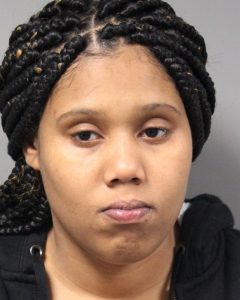
Further investigation determined a third suspect, 29-year-old Jhazmond Landry of Wilmington, was also a suspect in the incident. There are active warrants for her arrest.
29-year-old Jhazmond Landry, of Wilmington, DE
The case remains active and ongoing. Anyone with information is urged to contact Detective Bowie by calling 302-698-8503 or Delaware Crime Stoppers at 1-800-TIP-3333.
Delaware State Police have launched a homicide investigation in Seaford after the body of a 39-year-old was found shot to death early this morning by first responders in a home that was set on fire.
According to the Delaware State Police Department, the incident occurred around 2:11 a.m., Sunday when crews from the Seaford Fire Department were dispatched to a house fire at a home in the 11000 block of Hastings Farm Road. Crews arrived and extinguished the fire, at which time they located a person inside dead from an apparent gunshot wound.
The Delaware State Police Homicide Unit was called to the home, secured the scene, and launched a homicide investigation.
The investigation revealed that the unidentified 39-year-old victim was found inside of the home when unknown suspects forced through a side door and fired multiple rounds.
The victim was shot once and fell to the living room floor, according to police. The suspects then set a fire in the living room before fleeing the home on foot.
The body was turned over to the Delaware Division of Forensic Science for an autopsy. Identification of the victim is pending notification of next of kin.
There is currently no suspect information available.
Hastings Farm Road was closed for approximately seven hours while the incident was investigated.
Anyone with any information pertinent to the investigation is urged to call Detective Bluto at 302-753-3864 or Delaware Crime Stoppers at 1-800-TIP-3333.
DDA Secretary Michael Scuse (left) served as auctioneer during the very lively Gallery One art auction. Photo by Matt Sprague.
The Delaware Center for the Inland Bays’ annual Decked Out fundraiser took place on Thursday, Sept. 30 and raised over $50,000 for the protection and restoration of the Inland Bays.
Following a one-year hiatus due to the pandemic, this year’s event was held in-person at Big Chill Beach Club in Delaware Seashore State Park and included a live art auction featuring pieces from 11 Gallery One artists. The evening also included a silent auction and a performance by local musician, Keith Mack.
Representatives Ruth Briggs King and Ron Gray were in attendance and addressed the crowd. As a result of their leadership, Sussex County legislators and the State of Delaware have contributed nearly $400,000 to the Lessons in Nature at James Farm Ecological Preserve capital campaign. Photo by Matt Sprague.
Proceeds from the event will go toward protecting and restoring the Inland Bays through science, research, restoration and education. A portion of proceeds will specifically support the Lessons in Nature at James Farm Ecological Preserve capital campaign, which is raising funds for improvements that will allow the Center to expand its environmental education efforts.
Other initiatives supported by the funds raised include important restoration and protection projects such as our Diamondback Terrapin Gardens, citizen science surveys, and public education opportunities at the James Farm Ecological Preserve.
“We are so thankful to the community for their support through this event,” said Chris Bason, the Center’s Executive Director. “Any progress made on restoring these important estuaries wouldn’t be possible without the generosity of individuals and businesses that share in our vision of cleaner, healthier Inland Bays for all to enjoy.”
More than 30 individuals, businesses and organizations sponsored this year’s Decked Out event. Lead sponsor was Ørsted, who also made generous contributions directly to some of the Center’s projects. Other high-level sponsors included Big Chill Beach Club, Absolut Vodka, Ashton Pools by Design, Bioenergy Devco, Delmarva Power, Dogfish Head Craft Brewery, Pegasus Foundation, Pettus-Crowe Foundation, Sussex Conservation District, GFL Environmental, John and Cheryl Grandy, and Patricia and Bob Ragan.
The Delaware Center for the Inland Bays is a non-profit organization established in 1994, and is one of 28 National Estuary Programs. With its many partners, the Center works to preserve, protect and restore Delaware’s Inland Bays and their watershed. Learn more at inlandbays.org.
Delaware communities adversely affected by environmental pollution can now apply for Community Environmental Project Fund (CEPF) restoration grants for the 2022 grant cycle through the Delaware Department of Natural Resources and Environmental Control.
The CEPF was created by the Delaware General Assembly in 2004 through legislation that authorized DNREC to establish a grant fund by withholding 25% of funds collected as penalties for violations of environmental regulations. These funds are returned to the communities where violations occurred through competitive grants to nonprofit organizations in support of community environmental projects. Grants are available to affected communities to fund restoration projects that result in:
Reduced pollution
Enhanced natural resources
Enhanced recreational opportunities
Applicants can identify the drainage basin location of their projects with a mapping tool available at dnrec.delaware.gov.
IRS tax-exempt organizations are eligible for CEPF grants of up to $25,000. These groups include civic and community organizations, educational institutions, counties, municipal governments, state agencies and quasi-state agencies. The application deadline is Friday, Dec. 17, 2021. The projects funded in this grant cycle can begin on July 1, 2022 and should be completed by June 30, 2023.
DNREC will hold a virtual public workshop focused on the CEPF program to assist applicants with finalizing their applications at 7 p.m. Tuesday, Nov. 16. Connection information for the workshop is posted at de.gov/dnrecmeetings, and at de.gov/cepf. Pre-registration is encouraged, but not required for participation.
Recent CEPF projects statewide have included a habitat restoration and scrap tire cleanup, a pollenating rain garden at a school, healthy home and energy assessments, a museum trail project, an energy savings model home for a low income community, a native plantings project to mitigate stormwater runoff, educational signage for a stormwater management site, funding to support plastic pollution education and a floating dock and canoe/kayak project that provides recreational access and helps stabilize canal banks.
The grant applicationOpen this document with ReadSpeaker docReader, workshop details and more information about the CEPF are available online at de.gov/cepf.
A Dover High School student was arrested Tuesday after officials a gun was brought on campus.
According to Dover Police, officers received a call around 12:20 p.m. that a student could possibly be in possession of a firearm.
The school was placed on a lockdown and officials located the 16-year-old student and found the gun.
There has been no evidence to suggest that the student intended to use the firearm, according to police. None the less they were taken into custody on multiple charges.
Capitol school district issued a statement following the incident saying the student will be subject to further disciplinary action through the school board.
Police have not released the identity of the student.
Delaware will hold a prescription drug take back day.
On Saturday, October 23, from 10 a.m. to 2 p.m. the Drug Enforcement Administration (DEA) has scheduled their National Take-Back Initiative (NTBI). This is a great opportunity for those who missed the previous events, or who have subsequently accumulated unwanted, unused, and expired prescription drugs, to safely dispose of those medications. This is an opportunity to prevent pill abuse and theft by ridding their homes of potentially dangerous expired, unused, and unwanted prescription drugs. The service is free and anonymous, no questions asked.
DEA will also accept vaping devices and cartridges at any of its drop off locations during Take Back Day. It is important to note that DEA cannot accept devices containing lithium ion batteries. If batteries cannot be removed prior to drop-off, DEA encourages individuals to consult with stores that recycle lithium ion batteries.
This initiative addresses a vital public safety and public health issue. Medicines that languish in home cabinets are highly susceptible to diversion, misuse, and abuse. Rates of prescription drug abuse in the U.S. are alarmingly high, as are the number of accidental poisonings and overdoses due to these drugs. Studies show that a majority of abused prescription drugs are obtained from family and friends, including from the home medicine cabinet. In addition, Americans are now advised that their usual methods for disposing of unused medicines—flushing them down the toilet or throwing them in the trash—both pose potential safety and health hazards.
Natural gas prices have spiked in the past six months and are up more than 30 percent since the end of August 2021. This is largely due to increased U.S. demand and the ongoing energy crisis in Europe.
According to the Energy Information Administration, about 43 percent of Delaware households rely on natural gas for home heating.
“Due to the increase in wholesale natural gas prices, end-use customers will see an increase during the winter months,” said Delaware Public Advocate Andrew Slater. “However, there are ways to reduce your usage and keep utility bills reasonable. Energy utility bills are some of the only bills where amount owed is dependent on usage.”
Chesapeake Utilities recently filed changes to its Gas Sales Rate (GSR), a passthrough cost to customers, to reflect the higher natural gas prices. According to its filing in PSC Docket No. 21-0677, an average Residential Service 2 (RS-2) customer “using 700 CCF per year will experience an annual increase of approximately 6.03% or $62.30.”
Delmarva Power’s application to change its Gas Cost Rate (GCR), PSC Docket No. 21-0672, also reflected an increase in costs for residential customers. According to its filing, “a typical residential customer using 83 CCF in a winter month would be an increase of $5.64 or 6.1%.” Both rates will become effective, November 1, 2021, subject to refund, while the rates are reviewed by both the Division of the Public Advocate and Public Service Commission Staff.
According to the U.S. Department of Energy, heating accounts for the biggest portion of consumers’ utility bills. Savings tips include turning your thermostat down a few degrees, replacing dirty furnace filters, weather stripping doors and windows, opening shades on sunny days, and closing vents and doors of unoccupied areas.
Delawareans can contact Energize Delaware about its Home Performance with Energy Star, Home Energy Counseling and Check-Up programs. These programs are designed to find areas that may need weatherization and could potentially produce savings.
For additional tips on lowering your gas bill, please contact your local utility. Chesapeake Utilities provides such tips at https://chpkgas.com/for-the-home/energy-savings-tools/lower-your-gas-bill/. Delmarva Power provides such tips at https://www.delmarva.com/Documents/Ways%20to%20Save%20Delmarva_2.20_ADAcomp.pdfOpen this document with ReadSpeaker docReader.
Low-income Delawareans who are in need of financial assistance to meet their home energy costs may be eligible for the Low-Income Home Energy Assistance Program (LIHEAP), a program administered jointly by the Delaware Division of State Service Centers (DSCC) and Catholic Charities, Inc. Beginning October 1st through March 31st, eligible households can apply to receive grants to help pay for fuel assistance for home heating, which includes electricity, natural gas, kerosene, propane, coal, or wood. Grants are made to both homeowners and renters.
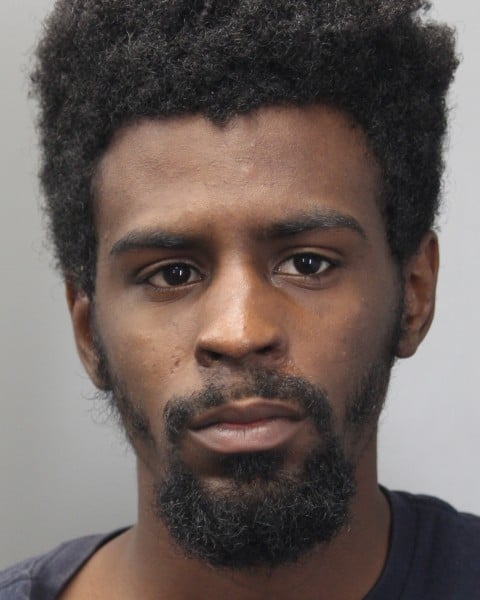
21-year-old Terrence Anglin, of Harrington, DE – Harrington Police
A Harrington man has been arrested on theft charges after police say he broke into several vehicles.
According to the Harrington Police Department, officers were called to the area of Commerce Street and Simpson Street for reports of thefts from vehicles.
During the course of the investigation, police determined that an unknown suspect broke into the cars and stole wallets, debit cards, and cash.
One of the victim’s debit cards was used at the Royal Farms on Milford-Harrington Hwy.
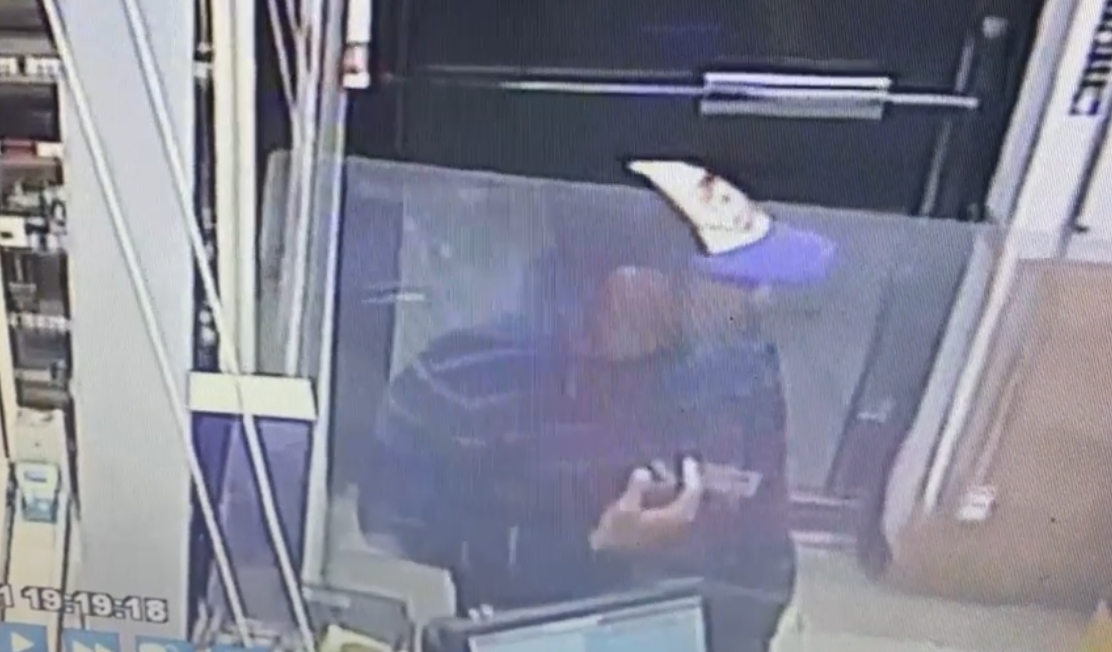
Police were able to review surveillance cameras and get a description of the suspect. Through investigative measures, officers were able to track down the suspect to the Super 8 Motel.
Police located the suspect, identified as 21-year-old Terrence Anglin, and he was taken into custody without incident.
The stolen property was located in Anglin’s room.
Anglin was arraigned and released on his own recognizance.
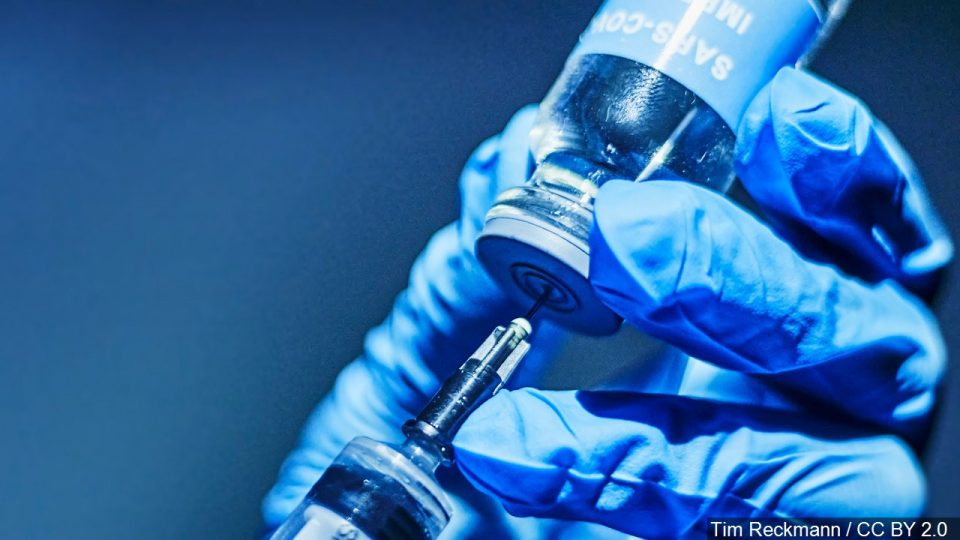
Governor John Carney and the Delaware Department of Health and Social Services (DHSS) have formally issued an emergency regulation requiring educators, school staff, volunteers, and contractors working in Delaware schools to be vaccinated against COVID-19 or undergo weekly testing beginning November 1.
The requirement, which was first announced last month, applies to public and private K-12 schools.
“There’s no better way to prevent the spread of COVID-19, and keep all Delaware children in their classrooms, than to get vaccinated,” said Governor Carney. “Our top priority has been to get all Delaware students back in school this fall. This requirement will help keep them there and prevent regular disruptions to their learning. These vaccines are safe and extremely protective against COVID-19 infection and serious illness. I encourage all Delawareans to get your shot and help us finally put an end to this pandemic.”
Several residents have been indicted on insurance fraud, the Delaware Insurance Commissioner’s Office announced Monday.
Late last month in New Castle County, a Grand Jury indicted multiple residents for insurance fraud. The indictments stem from Department of Insurance Fraud Prevention Bureau investigations, in partnership with the Delaware Department of Justice. They allege that following vehicle accidents, each indicted resident did knowingly present false information to auto insurers or otherwise caused false information to be presented.
“I want to commend our Fraud Prevention Bureau for their work identifying deceitful activity and helping to bring those who would defraud Delaware residents and companies to justice. Their efforts continue to send a strong message that fraud will not go unnoticed here, which can prevent future crimes,” said Insurance Commissioner Trinidad Navarro. “Through this work, we can help keep insurance premiums from rising by helping to make sure companies do not have to pay out fraudulent claims, and we can educate residents that engaging in fraud is very costly.”
A resident of Wilmington was indicted on September 27 following a two-vehicle auto accident and a fraudulent claim filed with Permanent General Insurance. The resident had no insurance at the time of the accident but obtained it afterward, and intentionally misrepresented the date of the accident to obtain a benefit that they were not entitled to. Video evidence was uncovered that confirmed the accurate date of the accident.
A resident of Newark was indicted on September 27 for knowingly misrepresenting the time of an auto accident. During the investigation, evidence was obtained that confirmed that the resident had no auto insurance coverage at the time of their accident and that their auto insurance policy was obtained after the accident had occurred. They engaged in insurance fraud through intentionally providing false information in order to obtain a benefit that they were not entitled to from Good to Go Insurance.
An additional resident was indicted for similar activity in an attempt to defraud Progressive Insurance. The resident obtained an auto insurance policy and filed a claim two days later, stating that their vehicle was struck by an unknown vehicle while parked at their residence. An examination of vehicle damage was inconsistent with this depiction, and the investigation further identified that the vehicle was involved in an accident three days prior to obtaining insurance coverage.
An indictment is merely an allegation and is not evidence of guilt. In all cases, defendants are presumed innocent until and unless proven guilty. Insurance Fraud is a felony.
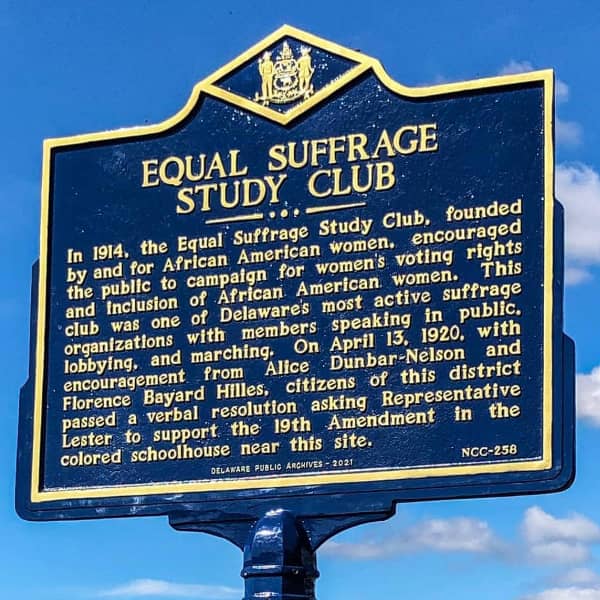
The Delaware Public Archives & Delaware Heritage Commission are proud to present the installation and unveiling of the “Equal Suffrage Study Club” Historical Marker — the final marker in the series of four Delaware Historical Markers celebrating the centennial of the passage and ratification of the 19th Amendment to the Constitution of the United States providing for women’s suffrage.
This Marker salutes the Equal Suffrage Study Club that was founded in 1914 by — and for — African American women and encouraged the public to campaign for women’s voting rights and the inclusion of African American women.
This NEW marker is installed along the Michael N. Castle Trail in close proximity to the location of the original colored schoolhouse that was the location of the 1920 meeting enshrined on this Delaware Historical Marker.
These Delaware Historical Markers have been installed with the support of the Delaware Women’s Suffrage Commission, in cooperation with the Delaware Heritage Commission and the Delaware Public Archives. Regretfully, the installation and presentation of these Historical Markers have been delayed due to the pandemic.
Delaware State Auditor Kathy McGuiness fired back at the Attorney General Kathy Jennings, denying all wrongdoing after she was indicted Monday by a grand jury for fraud, nepotism, and official misconduct.
McGuiness issued a statement through her attorney that vehemently denied any and all wrongdoing, especially the charge of nepotism which she said is permitted under Delaware law and that other agencies have hired family members before, including the Attorney General’s Office.
“Delaware law does not prohibit family members from hiring family members, and there have been many instances of such employment all throughout state government – including in the Attorney General’s Office,” McGuiness said via her attorney, Steven Wood. “It is also true that, like millions of Americans, Ms. McGuiness’s daughter worked remotely during the COVID pandemic. However, the Indictment’s assumption that the only way for a state worker to work remotely is by using the State’s email network is false.”
McGuiness’ daughter and a friend were employed by the office, neither of whom were interviewed, according to the indictment from the Delaware Department of Justice (DOJ).
As the pandemic triggered record unemployment across the country, Jennings said McGuiness fired an employee citing lack of work hours and that two others left under the same premise, but despite that she still hired her daughter and her friend.
“The defendant’s daughter enrolled in a college in South Carolina. For months, despite not coming into work, never logging in remotely, barely ever sending so much as an email, her daughter continued to receive taxpayer checks. Those paychecks were deposited into an account co-owned by her mother, the defendant,” Jennings said. “As of August, 2021 the defendant still employs her daughter on the state payroll.”
State Auditor Kathy McGuiness
McGuiness’ daughter was paid over $19,000 in taxpayer dollars, according to the investigation, in addition to $8,000 paid to her daughter’s friend.
McGuiness turned herself into authorities Tuesday morning and attended a bail hearing at the Leonard L. Williams Justice Center in Wilmington where she pleaded not guilty to the charges.
The charge that she broke state procurement law was also refuted by McGuiness in the statement, saying “there is nothing unlawful about hiring a former campaign consultant to perform legitimate tasks related to government service.”
Attorney General Jennings said the investigation uncovered a “sweetheart deal” to avoid oversight of State Auditor McGuiness’ state contract with campaign vendor ‘MyCampaignGroup.’
“She informed them of a loophole that would allow them to avoid a competitive bidding process by keeping the initial contract amount below $50,000,” Jennings stressed. “The bidding process exists to protect taxpayers. It’s there to prevent this exact behavior. A month later, the defendant entered into a contract with MyCampaignGroup, which was never submitted for public bidding whatsoever. In total, the State Auditor’s Office paid MyCampaignGroup $49,900, just $100 shy of the public bidding threshold thus avoiding public oversight.”
“The contractor in question has performed policy development services for other elected officials in Delaware before – including a former Governor,” McGuiness stated through her attorney. “All of the relevant contracts were entirely lawful.”
The Division of Civil Rights and Public Trust was able to obtain the indictment following a full-scale investigation involving witness interviews and document reviews that officials say prove the allegations.
McGuiness was indicted on charges of conflict of interest in violation of the state’s code of conduct, felony theft, non-compliance with procurement law by structuring state payments, official misconduct, and felony witness intimidation.
“The investigation has confirmed a clear and disturbing pattern of behavior that was not only unethical, but it was against the law,” Jennings said. “We uncovered corruption, nepotism, fraud, and misconduct that implicated thousands of taxpayer dollars.”
The investigation, which Attorney General Jennings stressed remains ongoing, comes after several whistleblowers came forward to inform the DOJ of the alleged misconduct.
During the course of the investigation, officials discovered that McGuiness allegedly monitored and intimidated real or perceived whistleblowers.
Over three dozen requests were submitted to monitor employees emails, including at least one former employee at a completely separate agency, according to the DOJ.
“If anyone should know better, it is the State Auditor,” Jennings said. “Instead, as our investigation has shown, Kathleen McGuiness carried out the very misbehavior that she was elected to stop.”
McGuiness denied such a notion in her statement, saying “the witness intimidation charge is pure fiction, and clearly the result of fanciful tales spun by former employees with an axe to grind.”
“Ms. McGuiness will continue to work hard on behalf of Delaware’s taxpayers and intends to focus on the job that she was elected to do,” the statement read in closing. “She will have no further comment on this matter. When the whole story is finally heard, the facts will speak for themselves.”
Delaware State Auditor Kathy McGuiness has pleaded not guilty to charges of fraud, nepotism, and official misconduct after she was indicted Monday by a grand jury.
McGuiness turned herself into authorities Tuesday morning and attended a bail hearing at the Leonard L. Williams Justice Center in Wilmington where she pleaded not guilty to numerous charges of misconduct while in office.
Kathy McGuiness
McGuiness waived her right to hear the charges and bail was set at $50,000 unsecured, according to the Delaware Department of Justice (DOJ). She was also ordered to refrain from contacting any former employees of the office along with discussing the nature of the investigation with anyone currently employed at the Auditors Office.
A press conference was held outside the New Castle County Courthouse Monday where Attorney General Kathy Jennings said their investigation confirmed a “clear and disturbing pattern.”
“The investigation has confirmed a clear and disturbing pattern of behavior that was not only unethical, but it was against the law,” Jennings said. “We uncovered corruption, nepotism, fraud, and misconduct that implicated thousands of taxpayer dollars.”
The investigation, which Attorney General Jennings stressed remains ongoing, comes after several whistleblowers came forward to inform the DOJ of the alleged misconduct.
The Division of Civil Rights and Public Trust was able to obtain an indictment following a full-scale investigation involving witness interviews and document reviews that officials say prove the allegations.
McGuiness was indicted on charges of conflict of interest in violation of the state’s code of conduct, felony theft, non-compliance with procurement law by structuring state payments, official misconduct, and felony witness intimidation.
Attorney General Jennings said the investigation uncovered a “sweetheart deal” to avoid oversight of State Auditor McGuiness’ state contract with campaign vendor ‘MyCampaignGroup.’
“She informed them of a loophole that would allow them to avoid a competitive bidding process by keeping the initial contract amount below $50,000,” Jennings stressed. “The bidding process exists to protect taxpayers. It’s there to prevent this exact behavior. A month later, the defendant entered into a contract with MyCampaignGroup, which was never submitted for public bidding whatsoever. In total, the State Auditor’s Office paid MyCampaignGroup $49,900, just $100 shy of the public bidding threshold thus avoiding public oversight.”
McGuiness illegally structured a series of payments, according to the DOJ, to MyCampaignGroup in order to remain under the state approval threshold. She later approached the company a second time, according to Jennings.
“It’s important to keep this in mind, this was done by the State Auditor, whose job is literally to protect your tax dollars from this very kind of spending.”
The investigation also uncovered what Attorney General Jennings said was “clear nepotism.”
McGuiness’ daughter and a friend were employed by the office, neither of whom were interviewed, according to the investigation.
As the pandemic triggered record unemployment across the country, Jennings said McGuiness fired an employee citing lack of work hours and two others left under the same premise, but despite that she still hired her daughter and her friend.
“The defendant’s daughter enrolled in a college in South Carolina. For months, despite not coming into work, never logging in remotely, barely ever sending so much as an email, her daughter continued to receive taxpayer checks. Those paychecks were deposited into an account co-owned by her mother, the defendant,” Jennings said. “As of August, 2021 the defendant still employs her daughter on the state payroll.”
McGuiness’ daughter has been paid over $19,000 in taxpayer dollars, according to the investigation, in addition to $8,000 paid to her daughter’s friend.
“She used her power to hire her daughter no questions asked,” Jennings said. “She paid her daughter thousands of tax dollars even when her daughter wasn’t showing up to work. And when her staff discovered her misconduct, and did the right thing by speaking up, the Auditor, whose job is to be a government watchdog, engaged in an extensive pattern of surveillance and intimidation against those whistleblowers.”
During the course of the investigation, officials discovered that McGuiness allegedly monitored and intimidated real or perceived whistleblowers.
Over three dozen requests were submitted to monitor employees emails, including at least one former employee at a completely separate agency, according to the DOJ.
Jennings stressed that the investigation remains ongoing and requested anyone with any pertinent information related to the investigation to come forward by calling (302) 577-5400.
Multiple requests to reach McGuiness for comment have went unanswered.
“If anyone should know better, it is the State Auditor,” Jennings said. “Instead, as our investigation has shown, Kathleen McGuiness carried out the very misbehavior that she was elected to stop.”
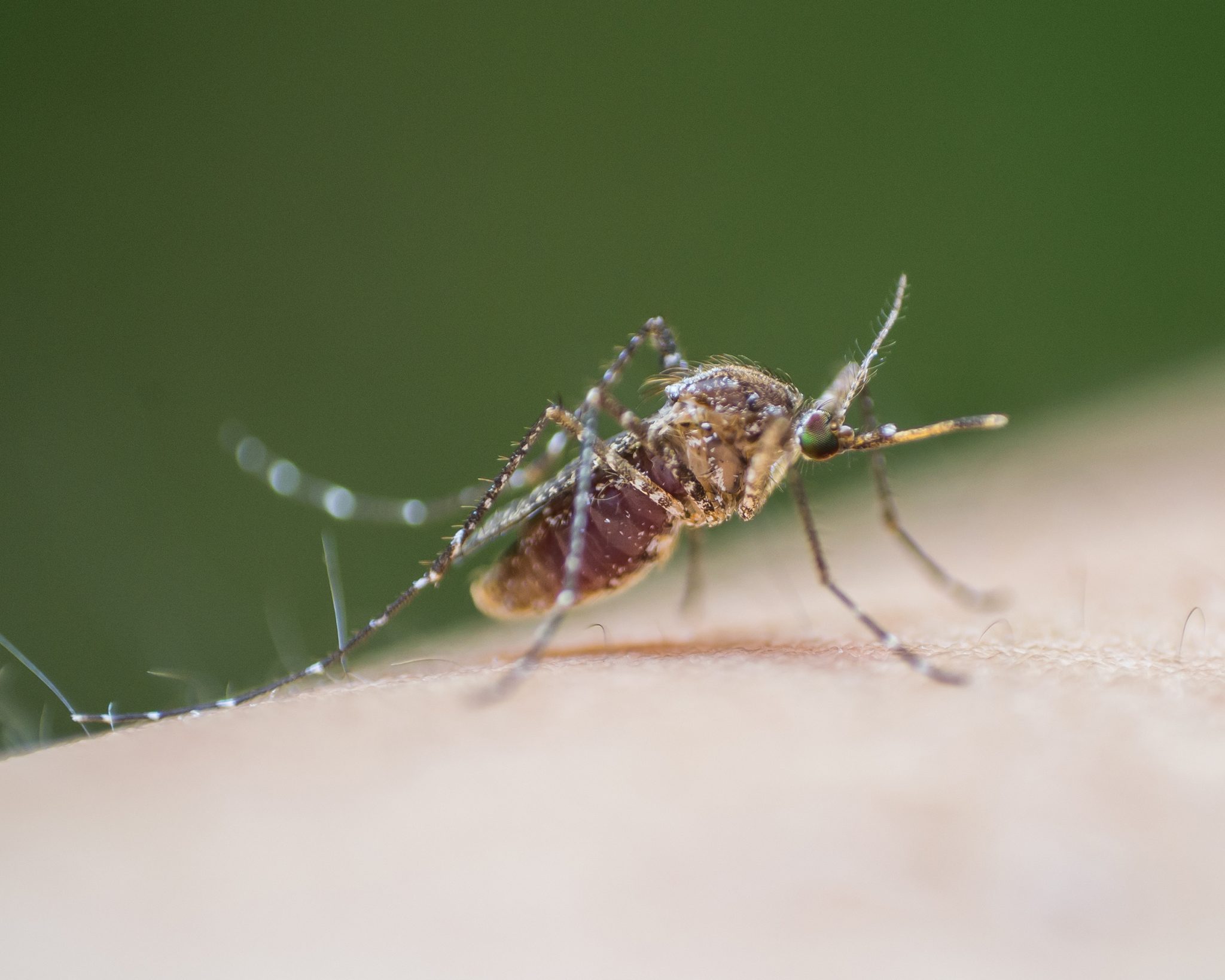
The Division of Public Health (DPH) has announced that a 79-year-old Sussex County woman has become infected with West Nile Virus (WNV), the state’s second case of human WNV in 2021.
An epidemiological investigation is currently ongoing to confirm any travel history or sources that could have led to transmission. To protect the patient’s privacy, no more information will be provided on the individual at this time.
“As mosquito season continues through the fall months, it is important for everyone to take proper precautions when going outdoors in an environment where mosquitoes are prevalent,” said DPH Director Dr. Karyl Rattay. “Wearing insect repellent and wearing light-colored, long-sleeved shirts and pants are easy measures to take that can protect against this serious and sometimes deadly virus.”
The mosquitoes that cause WNV bite primarily from dusk (evening) to dawn (morning). However, other mosquitoes that cause diseases such as chikungunya, dengue fever, and Zika can bite during the day. It is important to protect yourself by wearing insect repellent whenever you go outdoors.
WNV is a mosquito-borne illness that can cause serious health problems. WNV is transmitted by mosquitoes, generally in summer and fall, with a peak period for disease transmissions from mid-August to mid-October. Nearly 80 percent of people infected with WNV will not become ill. While only a little less than 20 percent of those infected with the virus will develop West Nile fever with mild symptoms (fever, headache, body aches, a skin rash on the chest or back and swollen lymph glands), one in 150 people infected will develop severe infection (West Nile encephalitis or meningitis).
Symptoms of severe WNV infection include headache, high fever, stiff neck, and/or tremors and muscle weakness. The elderly and those with weakened immune systems are most at risk. Anyone who experiences any of these severe symptoms should seek medical help immediately. Symptoms may progress to stupor, disorientation, coma, convulsions, paralysis and possibly death.
In addition, the Office of the State Veterinarian has announced a confirmed case of West Nile Virus (WNV) in a horse. The infected horse was a 3-year-old Standardbred gelding residing in Kent County. The horse began showing signs of weakness in the hind limbs, with fever and respiratory signs on Oct. 1. The gelding lost the ability to stand and was therefore euthanized on Oct. 5. Samples were submitted to the Delaware Public Health Laboratory on Oct. 6, which confirmed the diagnosis of WNV on Oct. 7. The affected horse was not currently vaccinated against WNV.
West Nile Virus and Eastern Equine Encephalitis (EEE) are diseases transmitted to horses via the bites of mosquitoes. Humans can also be infected with WNV and EEE, but transmission requires a mosquito bite, and the virus cannot be directly transmitted between horses, or between horses and people. Signs of infection in horses include fever (although not always with WNV), anorexia, head pressing, depression or personality change, wobbling or staggering, weakness, blindness, convulsions, muscle spasms in the head and neck, or hind-limb weakness. If owners notice any of these signs in their horses, they should contact their veterinarian immediately.
“It is essential that owners of horses and other equines work with their veterinarian to set up a routine vaccination protocol to help prevent West Nile Virus and Eastern Equine Encephalitis,” said Dr. Karen Lopez, Deputy State Veterinarian. “Unfortunately, neither disease has a specific drug treatment. Eastern Equine Encephalitis infections are fatal in 70 to 90 percent of the cases, and West Nile Virus is fatal in 30 percent of the horses that contract it.”
Horse owners can take several additional steps in the barn and around the farm to help protect horses from mosquito bites. Horses should be kept inside during dawn and dusk, which are peak hours for mosquito activity. Topical insect repellents labeled for use on horses may be applied. The wind generated by fans installed in horse stalls can also help deter mosquitoes. Old tires and containers should be disposed of, and standing water eliminated. Water troughs or buckets should be emptied, cleaned, and refilled every 2-3 days if possible to remove any mosquito eggs or larvae.
Mosquito Bite Prevention: To avoid mosquito bites and reduce the risk of infection, individuals should:
Use Environmental Protection Agency (EPA)-registered insect repellents. Follow the manufacturer’s instructions for reapplication times. If using sunscreen, apply it first and insect repellent second. Adults: Spray insect repellent onto your hands and then apply it to the child’s face. Do not apply insect repellent onto a child’s hands, eyes, mouth, or on cut or irritated skin. Do not use insect repellent on babies younger than 2 months of age. When outside, wear shoes, light-colored long-sleeved shirts and pants. Dress your child in clothing that covers arms and legs. Mosquito netting can protect one’s face and neck, and infants in carriages, strollers and playpens. Use permethrin (an insecticide) to treat clothing and gear (such as boots, pants, socks, and tents), but do not apply to skin.
Prevent mosquitoes from entering the house by using screens and keeping windows and doorways tightly sealed. The Department of Natural Resources and Environmental Control’s (DNREC) Mosquito Control section announced WNV in sentinel chickens for the first time this year in July. Delawareans are reminded that the possibility of contracting mosquito-transmitted diseases, including WNV and EEE, will continue until colder autumn temperatures in mid-October or later. Until that time, in response to findings of WNV or EEE in humans or horses by the Division of Public Health and Delaware Department of Agriculture, respectively, DNREC’s Mosquito Control Section typically increases its mosquito population surveillance efforts in the vicinity of the virus findings, and then, depending on types and numbers of mosquitoes encountered, takes appropriate mosquito control measures as warranted. To report suspected cases of human WNV, call the DPH Office of Infectious Disease Epidemiology at 1-888-295-5156.
A homicide investigation is underway in Dover after one person was killed and several others were injured in a drive-by shooting.
According to Delaware State Police, around 1 a.m., Sunday troopers were dispatched to the 1500 block of Nathaniel Mitchell Road for reports of a shooting.
Police arrived and located three men and two women all suffering from gunshot wounds.
All victims were transported to Bayhealth Hospital Kent Campus for treatment. At the hospital, a 22-year-old male victim was pronounced dead.
The two other male victims, ages 25 and 19, are in stable condition.
A 25-year-old woman was transported from Bayhealth to Christiana Hospital in critical condition and the other 19-year-old woman was treated and released.
A total of five people were struck by gunfire.
The initial investigation revealed that there was a party at the home and people were standing in the front yard at the time when a vehicle approached and an unknown number of occupants got out and started firing rounds at the partygoers.
Police are continuing their investigation and urge anyone with information to come forward.
A Georgetown man was arrested after police say he pulled a shotgun on another driver during a road rage incident.
According to Delaware State Police, the incident occurred just after 7 p.m., Friday when troopers responded to the intersection of Piglet Path and Seashore Highway in Georgetown for reports of a road rage incident involving a weapon.
Police arrived and learned that a 60-year-old male victim was stopped at the intersection when a tan 2005 Chrysler Sebring turned northbound on Piglet Path directly in front of the victim’s vehicle.
Police say the suspect, later identified as 37-year-old Carlton Breasure, stopped his vehicle, got out and started arguing with the victim.
37-year-old Carlton Breasure – Delaware State Police
During the argument, Breasure allegedly threatened the victim and pulled out a shotgun, at which time the victim fled the scene and called 911.
Troopers located Carlton at the intersection and took him into custody without incident.
A 12-gauge shotgun was located inside Breasure’s vehicle.
The victim was not injured.
Breasure was arrested on a slew of charges and later committed to the Sussex Correctional Institution on $239,600 cash bond.
It’s been almost two months since the arrest of Delaware State Senator Darius Brown.
Senator Brown was arrested on May 18 and charged with Offensive Touching and Disorderly Conduct after he punched a woman and threw a glass of water at a restaurant in New Castle.
There has been little to no response at all from lawmakers at Legislative Hall following his arrest. This silence prompted a constituent in Dover, Seth Greenberg, to question State Senator Trey Paradee, who refused to answer why he has not spoken out about his colleagues charges.
TV Delmarva’s Rob Petree reached out to see if Sen. Paradee would answer the question and address his colleague’s alleged actions.
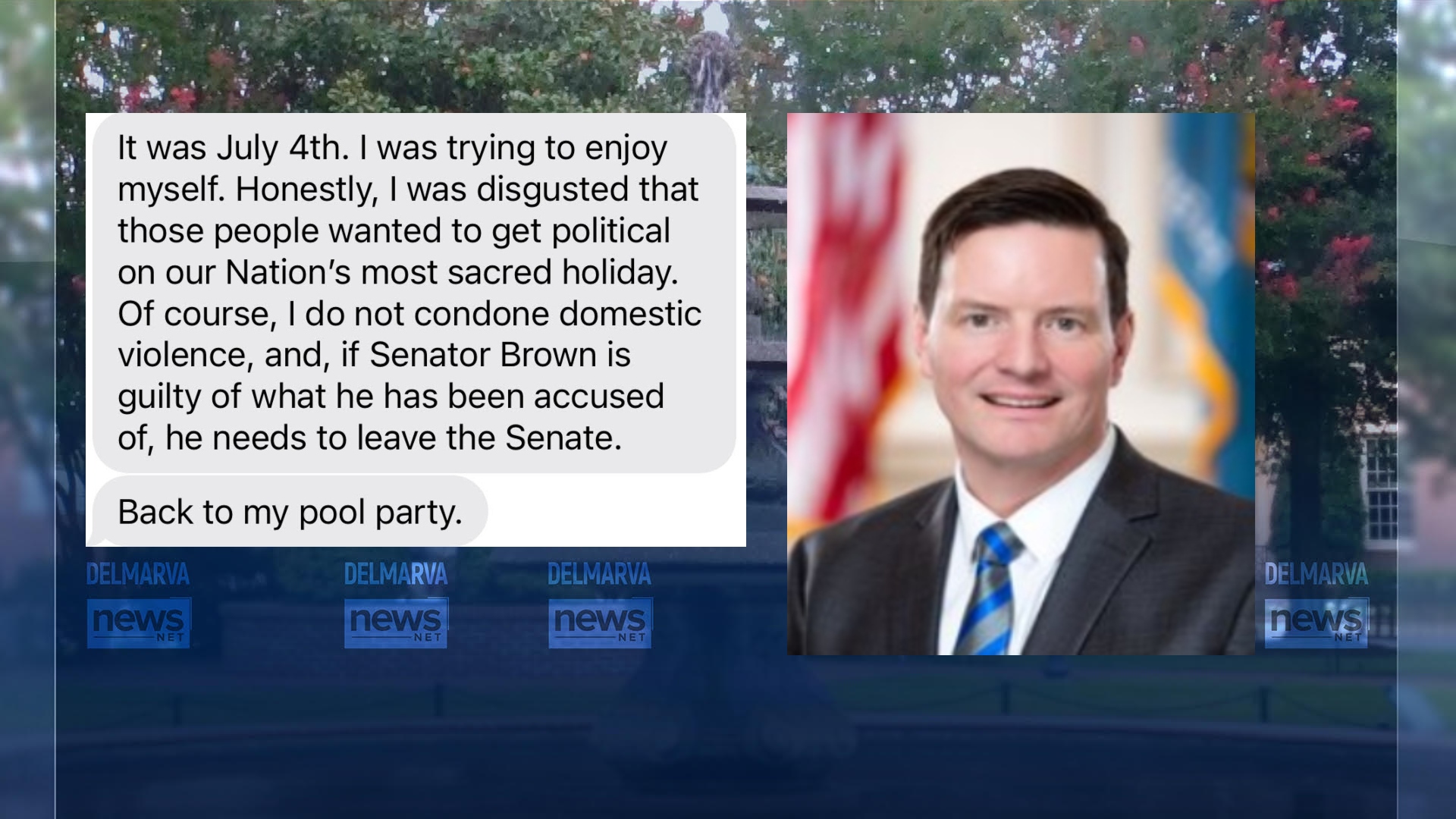
Sen. Paradee responded, saying “It was July 4th. I was trying to enjoy myself. Honestly, I was disgusted that those people wanted to get political on our Nation’s most sacred holiday.” Keep in mind, the Senator was wearing a name tag during the event that displayed the fact that he was a State Senator along with a campaign banner that was draped over his dog.
Paradee went on to say “Of course, I do not condone domestic violence, and, if Senator Brown is guilty of what he has been accused of, he needs to leave the Senate. Back to my pool party.”
We posted the Senator’s comments on social media, sharing it with those who questioned him at the event but got no answer, which prompted Sen. Paradee to send this text the following morning attacking my journalistic integrity, saying “Funny….for some reason I was under the impression that you were an actual journalist.”
We reached out to Senate President Dave Sokola who said that Senate leadership is currently waiting on evidence, specifically a surveillance video that is currently in the custody of Delaware State Police. TV Delmarva News have issued a FOIA request for the surveillance footage.
Sen. Sokola went on to make it clear that he does not have the power to remove Sen. Brown, and for that to happen a two thirds majority vote would have to take place in the Senate, which could only happen following an ethics investigation.
Sen. Sokola did say that an ethics investigation could be underway in September, but that it would fall under the ethics chair, Sen. Lockman, and that the evidence surrounding the incident, specifically the video, would have to be reviewed prior to launching such an investigation.
Senator Brown has since been removed from his role in the Judiciary Committee.