
A new study published Wednesday in a medical journal shows that approximately 3 million Americans enrolled in Medicare Advantage programs were compelled to seek new healthcare coverage, representing roughly 10% of all participants in these privately-operated plans.
The research, published in JAMA, revealed that residents in rural communities faced plan cancellations at twice the frequency of their urban counterparts. This disruption creates significant concerns about maintaining access to healthcare providers, specialized medical care, and ongoing treatments, according to Hannah James, a policy researcher with the RAND Corporation think tank, who authored an editorial alongside the study.
Seven states saw more than 40% of their Medicare Advantage participants affected by plan exits, with Vermont experiencing the most severe impact at 92% of enrollees. The remaining states included Idaho, Wyoming, North Dakota, South Dakota, Maryland, and New Hampshire.
Medicare serves approximately 60 million Americans who are either 65 or older or have qualifying disabilities. Roughly half choose Medicare Advantage plans operated by major insurance companies, while the remainder receive coverage through the traditional government-administered Medicare program.
During 2025, insurance companies reported financial losses after experiencing increased costs and reduced government payments, prompting announcements of market exits and shifts for 2026.
The study determined that enrollees with smaller insurance providers represented half of all those experiencing coverage disruptions.
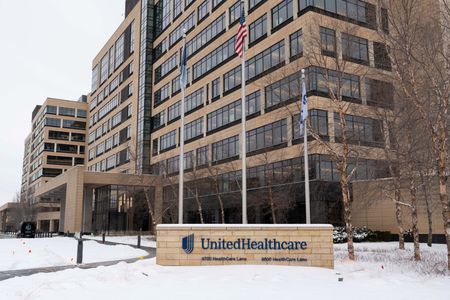
UnitedHealthcare, owned by UnitedHealth Group, was responsible for nearly 14% of the disruptions. CVS Health’s Aetna division followed at 8.65%, while Elevance accounted for approximately 8% of the affected enrollees.
Research findings indicated that plans offering consumers broader provider networks were most commonly discontinued.
James explained in her editorial that the existing system, where the government compensates insurers through pre-arranged payments, creates incentives for companies to target more profitable patients.
“Policymakers should consider whether the current program design adequately aligns plan incentives with beneficiary needs,” James stated.
According to health policy organization KFF, UnitedHealthcare controlled nearly one-third of all Medicare Advantage plans in 2025. Humana held 17% of plans, followed by CVS Health at 12%, and Elevance at 7%.