
FRANKFURT, Germany — A tentative agreement to end the war in Iran and reopen the Strait of Hormuz is being welcomed as a positive development for the world economy. However, despite oil prices dipping on Monday, significant uncertainty remains about when energy shipments will actually resume through the world’s most critical waterway for oil transport.
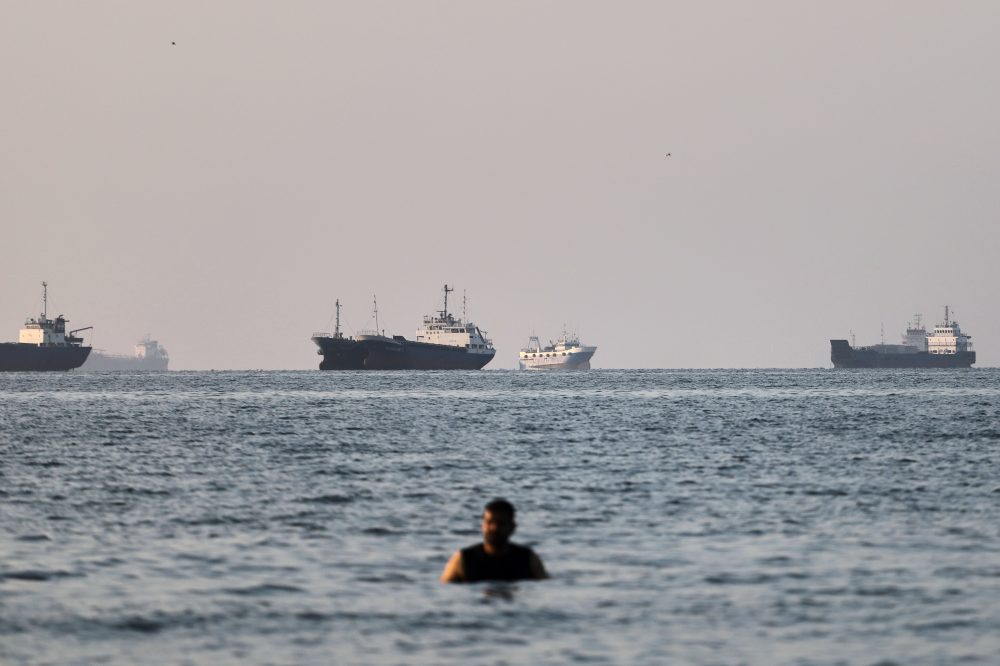
Before the conflict began, the strait handled roughly one-fifth of the global crude oil supply. Now, hundreds of vessels stuck inside the Persian Gulf face a slow and complicated process of navigating out through the narrow passage. Oil-producing nations in the Gulf that cut back their output will also need time to get production running again. Shipping analysts note that vessel captains may be cautious about declaring the route safe and that the threat from Iran has genuinely passed.
The bottom line: oil prices, inflation, and energy supplies will not snap back to prewar levels overnight — the recovery could take weeks, or even months. That timeline assumes the agreement, scheduled to be formally signed on Friday, actually holds. Specifics of the deal had not yet been made public.
Even if the strait reopens fully, tankers must still enter the Gulf, take on cargo, and complete long voyages to their destinations. Asian nations are the primary buyers of oil from Gulf producers including Saudi Arabia, Iraq, Bahrain, the United Arab Emirates, Kuwait, and Oman. A round trip to Japan alone can take between 45 and 50 days.
Ship captains, insurers, and vessel owners are expected to proceed cautiously given the unpredictable conditions in the region.
Richard Meade, editor-in-chief of shipping data and analysis company Lloyd’s List, wrote that