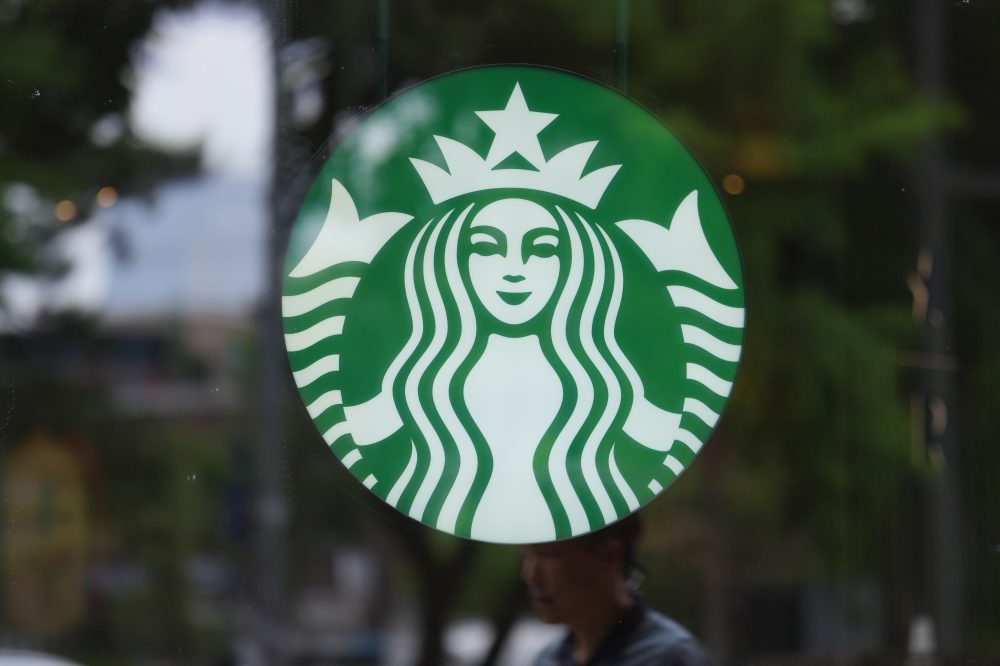

SEOUL, South Korea — Starbucks Korea announced Monday that it will shut all of its stores across the country early on June 22, requiring employees to undergo mandatory training on history and social sensitivity. The move comes as the company faces intense public backlash over a marketing campaign that many South Koreans viewed as deeply offensive to victims of a violent military crackdown on pro-democracy demonstrators in 1980.
Shinsegae Group, which holds a 67.5% ownership stake in Starbucks Korea, said executives and headquarters staff will attend a training session on Wednesday led by professors specializing in history and sociology. All Starbucks locations throughout South Korea will then close at 3 p.m. the following Monday so that store employees can view a recording of that session, according to a company statement.
The controversy began when Starbucks Korea tried to market a line of stainless-steel tumblers it called the “SS Tank” by declaring May 18 as “Tank Day.” That date holds deep significance in South Korea — it marks the anniversary of a 1980 pro-democracy uprising in the southern city of Gwangju, which was violently crushed by the country’s military government. Troops, tanks, and helicopters were deployed during the suppression, leaving hundreds of people dead or wounded.
The campaign drew even more outrage because of its slogan, “Thwack it on the table!” Many people connected that phrase to a notorious 1987 police statement that tried to conceal the torture and death of student activist Park Jong-chol. Officials had falsely claimed that Park died after investigators “hit the desk with a thwack” during questioning.
After the promotion triggered immediate public anger, Shinsegae pulled it within hours and removed the chief executive of Starbucks Korea from the position. Shinsegae Chairman Chung Yong-jin later delivered a nationally televised apology, and police launched an investigation in response to complaints filed by relatives of Gwangju crackdown victims. Chairman Chung is also scheduled to undergo separate training alongside the chief executives of Shinsegae’s affiliated companies on June 24.
Shinsegae said the decision to close all Starbucks stores early — the first such companywide shutdown since the chain’s debut in South Korea in 1999 — along with the requirement for company-wide training, demonstrates “how seriously it views the marketing controversy and its determination to prevent a recurrence.”
The Gwangju crackdown took place just months after General Chun Doo-hwan seized control of the government through a coup in late 1979. South Korean government records indicate approximately 200 people were killed in Gwangju, though activists contend the actual number was considerably higher. Chun’s government also imprisoned tens of thousands of people under the claim of eliminating social evils.
The widespread public fury over Chun’s dictatorship eventually led to massive nationwide protests in 1987, which pressured him into accepting a constitutional change that restored direct presidential elections — a moment widely regarded as the beginning of South Korea’s path toward democracy.