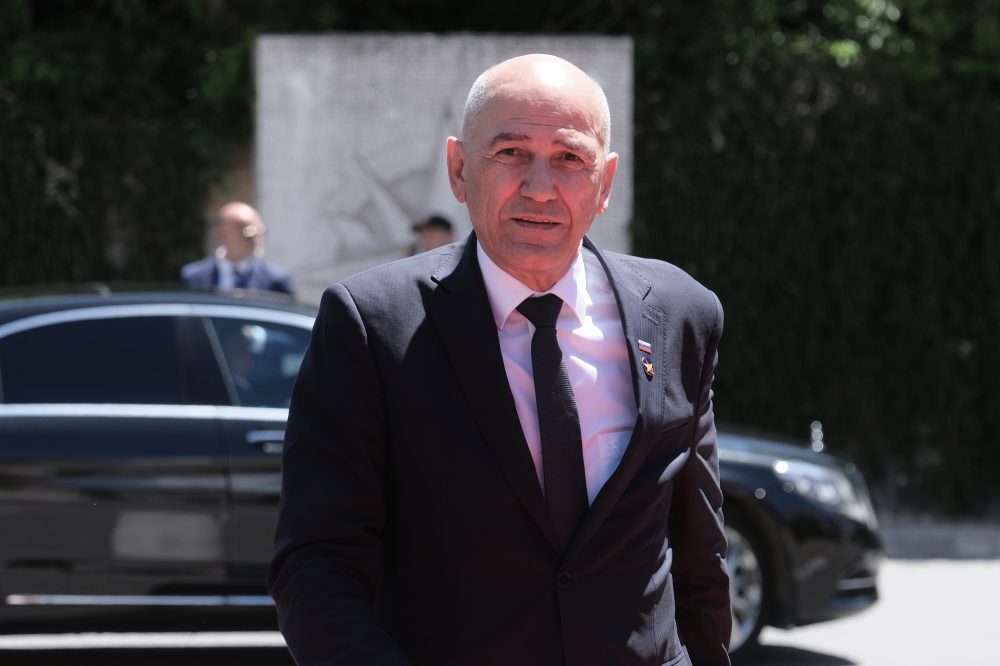

LJUBLJANA, Slovenia (AP) — Slovenia’s recently installed conservative administration announced Thursday it was reversing an entry prohibition targeting Israeli Prime Minister Benjamin Netanyahu along with two cabinet members, signaling a dramatic policy reversal from the previous center-left administration’s approach to Israel.
The administration led by populist Prime Minister Janez Jansa additionally removed restrictions on goods from Jewish settlements and terminated prohibitions on military weapons and equipment exports and transit to and from Israel, according to the official STA news agency.
Jansa’s administration assumed power this month after a March parliamentary election. Jansa has indicated his intention to enhance relations with Israel, contrasting sharply with the approach taken by his predecessor, Robert Golob.
During Golob’s tenure, Slovenia emerged as among the European Union’s harshest critics of Israel. The small Alpine country acknowledged a Palestinian state in 2024, subsequently implementing entry prohibitions in 2025 targeting National Security Minister Itamar Ben-Gvir, Finance Minister Bezalel Smotrich and Netanyahu.
Ben-Gvir was banned also by France last month. He has sparked global outrage after promoting a video of himself taunting the activists from a flotilla to Gaza who were detained by Israeli police.
The new Slovenian government said in its statement that it was scrapping the punitive measures to open political communication, the official STA news agency reported. The Defense Ministry said that weapons trading is already sufficiently regulated by existing national defense laws and the EU arms export criteria, the same report said.
Political dialogue and quiet diplomacy will help “strengthen the role of the Republic of Slovenia in the efforts to achieve a lasting peace in the Middle East,” the government said. It cited “active cooperation” over “actions that limit and close off channels for direct communication.”
Last year, Slovenia linked the entry ban for Netanyahu to an arrest warrant issued by the International Criminal Court.
Shortly after taking office, Jansa’s government removed a Palestinian flag from the government building, also symbolically marking the policy shift. Slovenia’s liberal president, Natasa Pirc Musar, then raised the flag on the presidency building.
Also this month, Israel announced that it would open an embassy in Slovenia. The country’s embassy in Austrian capital Vienna has previously covered Israel’s diplomatic interests in neighboring Slovenia.
Jansa is serving his fourth term in office. The political veteran is an admirer of U.S. President Donald Trump and was a close ally of former populist Hungarian Prime Minister Viktor Orbán, who was defeated in a landslide election in April.
The March 22 election was marred by allegations of foreign influence and corruption. The population of around 2 million in the Alpine nation are deeply divided between liberals and conservatives.