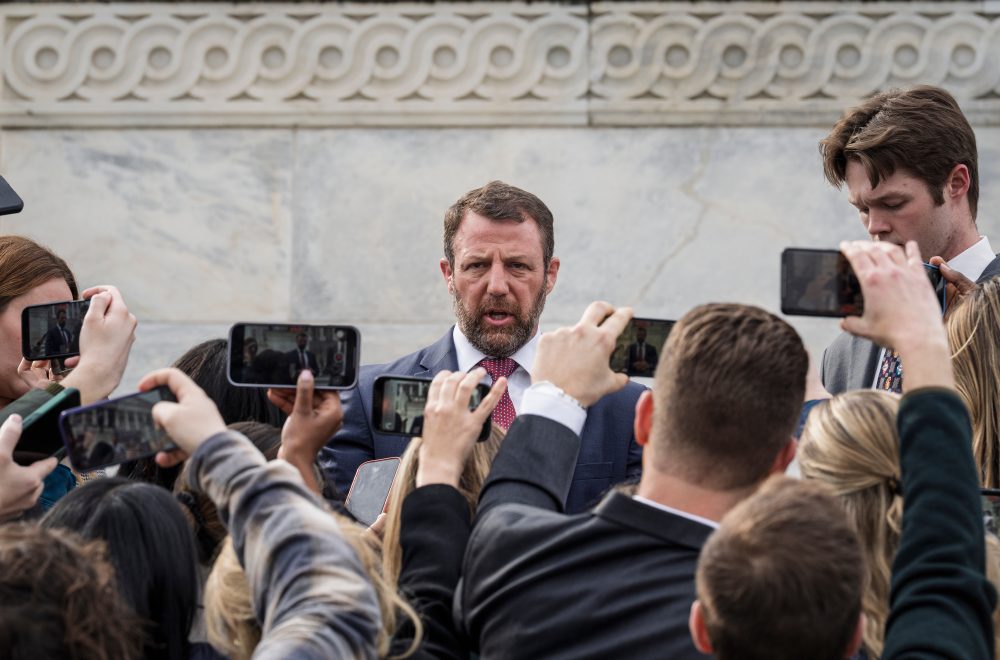

WASHINGTON — Oklahoma Senator Markwayne Mullin faces substantial obstacles awaiting him if confirmed as the nation’s next Homeland Security Secretary, stepping into leadership of a department struggling with multiple crises.
The agency responsible for border security finds itself at a critical juncture. States recovering from natural disasters express frustration over delayed federal aid. Air travelers endure extended security checkpoint waits as a month-long congressional funding dispute affects staffing.
The Oklahoma lawmaker would replace departing Secretary Kristi Noem, who began her tenure with President Trump’s support but whose social media-focused approach to managing the nation’s third-largest federal agency ultimately led to her exit.
Louisiana Republican Senator John Kennedy emphasized the department’s management difficulties, stating: “We’ve got serious management problems at DHS, and we need somebody steering the ship.” Kennedy mentioned telling the Oklahoma senator that a comprehensive departmental review is necessary.
The former mixed martial arts competitor has built a reputation for his confrontational style in the Senate. With over a decade of congressional experience, he enjoys support from colleagues and is anticipated to align with White House policy objectives. His confirmation proceedings are scheduled for Wednesday.
Among Mullin’s primary responsibilities would be overseeing the administration’s signature mass deportation initiative, which has led to increased immigrant arrests, created community anxiety, and raised questions about detention and enforcement methods.
Twelve months of prominent enforcement actions produced significant arrest statistics but also drew criticism regarding officer conduct. Federal law enforcement’s fatal shooting of two demonstrators in Minneapolis prompted demands for immigration agency reforms.
Public support for Trump’s immigration policies has declined since his second term began, with polling showing most Americans believe Trump has “gone too far.” This shifting public sentiment may require Mullin to adjust how agencies under his authority execute deportation efforts.
Since his nomination announcement, Mullin has remained silent about his departmental leadership plans and has avoided media questions.
He appears positioned to serve as a loyal Trump supporter in this new capacity. During his Senate tenure, he has prioritized serving as an unofficial White House advocate rather than focusing on legislative work — maintaining frequent presidential contact and promoting administration messages both publicly and privately on Capitol Hill.
He has consistently championed Immigration and Customs Enforcement personnel and supported last summer’s congressional appropriations that significantly expanded immigration enforcement capabilities.
After the fatal Minneapolis shootings, he defended law enforcement while criticizing local officials for rhetoric he claimed had “emboldened” demonstrators.
John Sandweg, who previously served as acting ICE director under President Obama, explained that Mullin must navigate competing internal administration pressures regarding future enforcement strategies — whether to increase deportations through widespread arrest operations or maintain more focused enforcement targeting individuals with criminal records.
“He’s going to have to reconcile … are we about numbers or about quality?” Sandweg observed. “And I think he’ll face a lot of pressure to also deliver on numbers.”
Mullin also enters ongoing conflicts with congressional Democrats seeking ICE reforms, which have caused the month-long DHS funding interruption.
Senate Democrats demand immigration enforcement modifications before approving additional funding. Their requirements include prohibiting masks for deportation officers, ending roving immigrant patrols, and mandating judicial warrants for home entries. Republicans have rejected these conditions.
The prolonged standoff forces thousands of Homeland Security employees to work without compensation, including airport security personnel. Several airports report extended security lines, raising concerns about screeners calling in sick, seeking additional employment, facing transportation costs, or leaving their positions entirely.
In his prospective role, Mullin is expected to strengthen congressional relationships, where Republicans viewed Noem skeptically. He maintains close ties with House Speaker Mike Johnson of Louisiana and Senate Majority Leader John Thune of South Dakota.
Republicans hope replacing Noem with Mullin will satisfy Democratic demands for departmental funding.
“This is what the Democrats have been clamoring for. They wanted a new change and shake-up in the leadership, and it’s now happening,” Thune stated.
However, Democrats continue demanding comprehensive changes.
“I like Markwayne personally, but I don’t think it’s a question of who is at the helm, it’s a question of law,” said Hawaii Democratic Senator Brian Schatz.
Mullin will also assume control of a Federal Emergency Management Agency experiencing turmoil and uncertainty due to administration efforts to transfer disaster responsibilities to states and Trump’s threats to eliminate the agency.
Under Noem’s leadership, DHS implemented numerous policies pursuing this goal, delaying funding, causing staff departures, and generating lawsuits over the homeland security secretary’s FEMA authority, while the agency continues operating without permanent leadership.
Noem established a policy requiring her personal approval for expenditures exceeding $100,000, which critics argued delayed billions in disaster recovery funding. State emergency officials hope for quick policy reversal and preparedness grant funding release, according to National Emergency Management Association spokesperson Karen Langdon.
More than $2.2 billion in recovery and mitigation projects remain pending DHS approval as of Friday, based on official data obtained by The Associated Press.
The Trump-appointed FEMA Review Council, led by Noem, is months behind schedule releasing anticipated recommendations after the outgoing secretary disagreed with other members about reform extent.
While Mullin’s FEMA positions remain unclear, he has previously questioned federal disaster response effectiveness.
“It’s not FEMA that’s going to respond,” he stated on Fox Business following 2024’s Hurricane Helene. “It’s the local people that are going to respond, and we’re going to be fighting with FEMA to get reimbursed if they ever do reimburse.”
Lawmakers and states generally support reforms streamlining disaster assistance and reducing bureaucratic obstacles, but state and local governments require reliable leadership and preparation time for changes, said Carnegie Endowment for International Peace senior fellow Sarah Labowitz.
“What we want to see going forward is predictability,” Labowitz emphasized. “There’s a lot of work to be done to re-earn trust.”