
WASHINGTON — The U.S. Senate is on track to pass a bipartisan housing bill Monday that seeks to lower costs and increase the number of available homes — marking one of the most significant efforts in recent memory to reduce federal regulations and shift more control to local governments.
The legislation has been the subject of intense back-and-forth negotiations between the House and Senate in recent weeks, as lawmakers from both parties look to tackle housing affordability heading into an election year. The final version of the bill prohibits corporate investors from purchasing single-family homes, though it dropped an earlier Senate provision that would have required those investors to sell newly built homes within seven years.
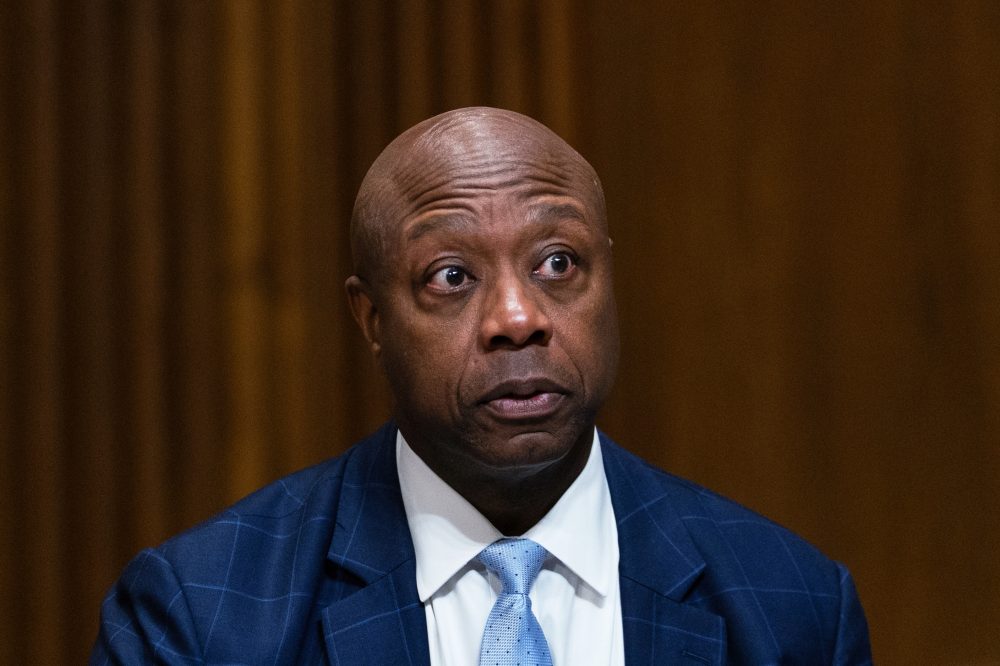
Senate Banking Committee Chairman Tim Scott, a Republican from South Carolina, worked alongside Democrats to advance the measure. He described it as the product of years of effort to “lower costs, expand housing supply, cut red tape, protect taxpayers, and help more Americans achieve the dream of homeownership.”
Massachusetts Sen. Elizabeth Warren, the top Democrat on the Banking Committee, told the Associated Press the bill carries real weight “because it acknowledges that the federal government has a role to play in lowering housing prices and because for the first time ever, private equity will be blocked from buying up single family homes and trying to turn housing into one more Wall Street investment.”
Senate approval of the bill would stand as a rare moment of bipartisan cooperation at a time when much of the Republican legislative agenda has hit roadblocks. The House is expected to give the bill its final stamp of approval later this week, after which it heads to President Donald Trump, who has signaled his backing.
Democratic Rep. Maxine Waters of California, who played a role in negotiating the bill, called it a “huge step toward finally addressing the affordable housing and homelessness crises in this country.”
Both parties have rallied behind the legislation as evidence they are taking the nation’s affordability problem seriously. Rising home prices, driven largely by a shortage of affordable housing, have weighed on American families. The housing market has been struggling since 2022, when mortgage rates began climbing from the historically low levels seen during the pandemic.
Sales of previously owned homes have hovered near a 4-million-unit annual pace since 2023 — well below the historical norm of around 5.2 million per year. Sales hit a 30-year low last year and have remained sluggish into this year, falling in both January and February compared to the same period a year ago.
The Economic Report of the President released in April identified a shortage of 10 million homes nationwide. A separate report this month from the Joint Center for Housing Studies at Harvard University found existing home sales at three-decade lows and rising inventories due to high buying costs. That report noted that “cost burdens for both renters and owners continue to climb, while assistance remains profoundly underfunded.”
While the median monthly rent across the country has been trending downward for nearly three years, it was still 17.2% higher in May than it was before the pandemic, according to data from Realtor.com.
To help grow the housing supply, the bill would simplify environmental review processes and speed up construction timelines. It would direct funding to local governments that are building more housing, including Community Development Block Grant dollars for communities that exceed the median rate of homebuilding. It would also set aside money to convert abandoned infrastructure into housing and provide a framework for communities looking to overhaul outdated zoning rules that often limit larger housing developments.
The legislation would also allow banks to put more money into affordable housing, raise caps on the number of public housing units eligible for private financing through Section 8 to help rehabilitate properties, and remove outdated restrictions to expand federal financing options for manufactured homes.
Warren highlighted the importance of manufactured housing, saying: “Manufactured housing produces some of the most cost-effective housing in America, but access to financing has been tightly restricted. This creates the opportunity for more manufactured housing and, at the same time, creates a structure for people living in manufactured housing communities to organize and protect their investment in their homes.”
One sticking point between the two chambers involved a federal disaster recovery program. An earlier Senate version had permanently authorized block grant recovery funds — a change designed to eliminate the need for new funding requests after every disaster. House members pushed back over concerns about how the program had been managed, and the two sides ultimately agreed on a three-year authorization instead.
The bill has drawn broad support from across the housing sector, including organizations that represent landlords and large property owners as well as advocacy groups for tenants and low-income renters.
David Dworkin, chief executive of the National Housing Conference — described as the nation’s oldest housing coalition — offered measured praise for the legislation. “There is no magic wand that will fix this crisis overnight, and no single piece of legislation is perfect,” he said. “Compromise demands that. But this bill is a significant down payment on a long-term effort to make housing more affordable for all Americans.”