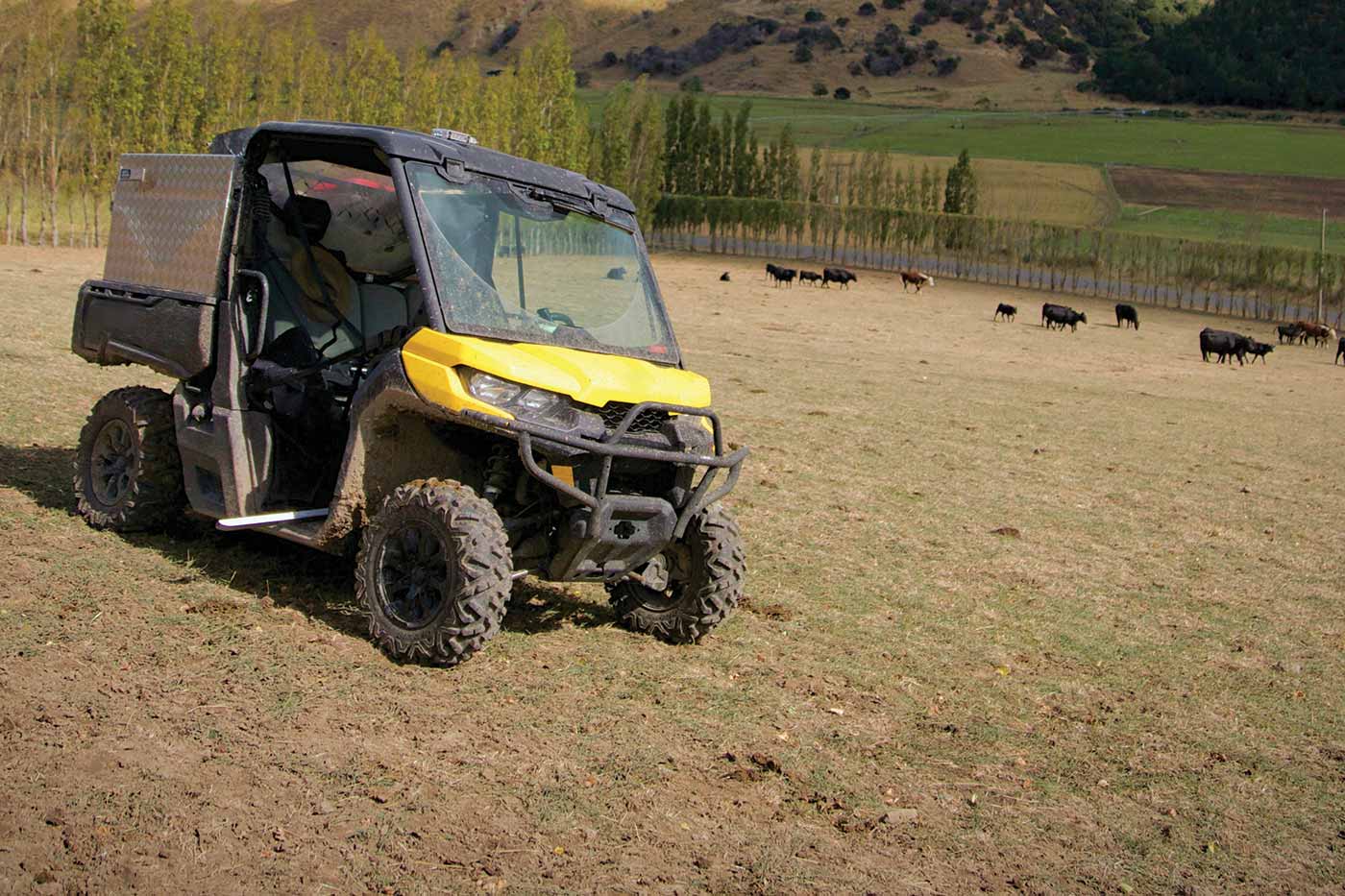

BLACKSBURG—Safety experts are issuing warnings to outdoor enthusiasts planning to use utility terrain vehicles this spring and summer, emphasizing that these powerful machines can pose serious risks despite their rugged design and versatility.
While UTVs provide access to countless recreational activities including trail exploration, hunting expeditions, cargo transport, and camping adventures—offering automobile-like familiarity and protection—this sense of security can lead operators to become dangerously overconfident.
“UTVs can be dangerous machines,” warned Curt Porterfield, assistant director of facilities and safety for the Virginia Tech College of Agriculture and Life Sciences. “Many folks don’t respect the machine enough to know its dangerous capabilities.”
Statistics reveal a troubling trend: fatalities involving off-highway vehicles nationwide rose 32% between 2018 and 2020, with Virginia recording 37 deaths from OHV-related accidents. Emergency departments across the country treated approximately 100,900 injuries linked to OHVs each year from 2018-2022, according to 2024 data from the U.S. Consumer Product Safety Commission.
According to Porterfield, the primary factors behind UTV accidents and injuries include excessive speed, steep terrain, “too much weight in the wrong place at the wrong time,” and poor machine maintenance.
The growing market for affordable used UTVs is contributing to rising accident rates.
“These private sale machines are often repaired to operate mechanically but may not be brought up to the necessary safety standards,” he explained. “Not addressing essential safety repairs in a used machine and accepting the risk is a common mistake.”
Additional frequent errors include allowing operators under 16 years old to drive UTVs, or operating these vehicles while impaired by drugs or alcohol.
When shopping for a UTV, buyers should carefully evaluate the vehicle’s capabilities and intended applications, considering who will operate it and where it will be used.
The majority of UTV models come with rollover protective structures installed. Owners should refrain from removing ROPS and other built-in safety equipment unless specifically designed for removal.
“Read the operator’s manual in its entirety, establish a relationship with your dealer and ask questions about your machine,” Porterfield recommended.
Pre-ride preparations:
- Conduct thorough equipment checks. Regular cleaning and upkeep help identify potential mechanical problems.
- Visit the Consumer Product Safety Commission website to confirm any recalls have been resolved.
- Review the operator’s manual for cargo capacity limits.
- Verify all passengers have appropriate clothing and safety gear.
- Stock emergency supplies including first aid and trauma kits, warning devices, backup communication equipment, and recovery straps.
- Research local and state regulations for land and roadway usage.
During UTV operation:
- Use seatbelts and limit passengers to available restraint systems. Minimize young children as passengers when possible and avoid transporting infants.
- Survey riding locations at reduced speeds to identify hazardous areas.
- Stick to established paths and trails, avoiding paved roadways.
- Maintain regular contact with others when riding solo.
- Assess ground conditions, load weight, passenger count, and velocity when navigating slopes. Generally, target inclines below 15 degrees.
- When using UTVs without ROPS, avoid seatbelt use to enable quick exit during potential rollover situations.
- Restrict towing activities and hitch usage, understanding weight restrictions for any attachments.
Porterfield recommends comprehensive training for all UTV operators and suggests utilizing educational materials from the Recreational Off-Highway Vehicle Association at rohva.org/learn-to-drive.
Additional information appears in Virginia Farm Bureau’s Cultivate magazine. Media inquiries can be directed to Porterfield at 540-231-8759.