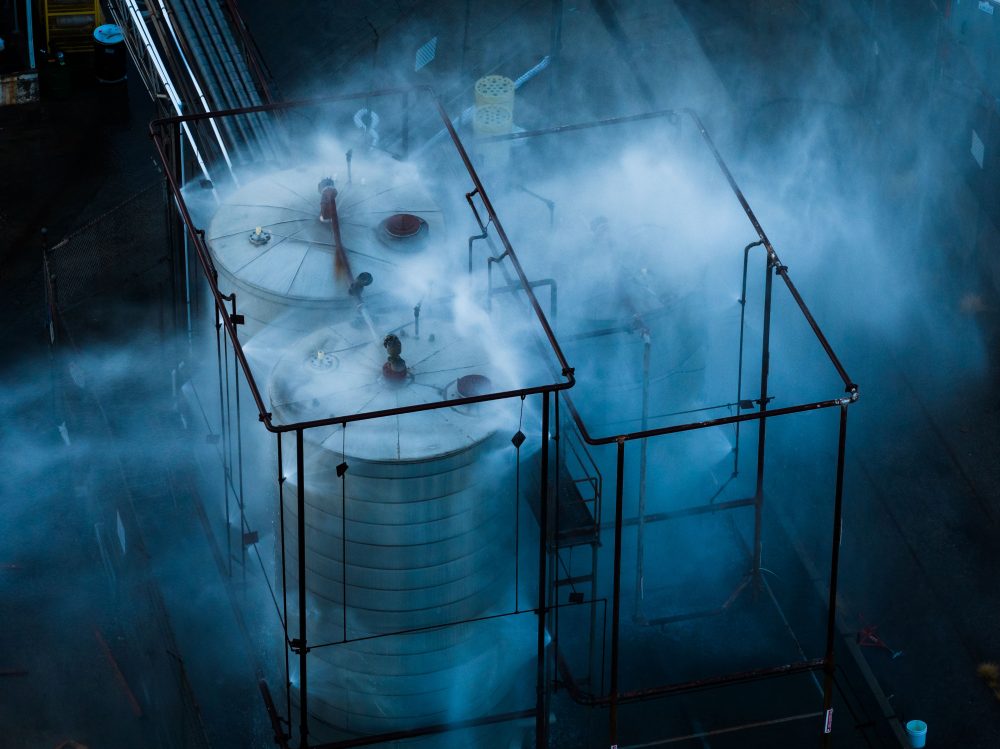

Chemical storage tanks number in the millions across the United States, and specialists indicate failures are extremely uncommon when facilities follow proper maintenance and inspection procedures.
However, the past week witnessed two significant hazardous material incidents on the West Coast. On Tuesday, a large container holding corrosive chemicals burst at a paper mill in Longview, Washington, resulting in two confirmed deaths and potentially nine additional fatalities. Additionally, around 50,000 residents were forced to evacuate in Southern California late last week when a chemical storage vessel overheated and posed a risk of catastrophic explosion. Officials successfully addressed the danger, allowing residents to return to their homes.
These events have sparked discussions about regulatory oversight for companies managing dangerous substances. A review by the Associated Press revealed that officials across local, state and federal jurisdictions share responsibility for maintaining safety at these operations.
Here’s what to understand:
According to chemical engineering professor Stephen Kmiotek, nearly all industries utilize chemical storage tanks. These containers are widespread because most manufacturing operations incorporate chemicals during production processes.
Kmiotek explained that while millions of tanks exist nationwide, they remain generally secure when companies adhere to construction, maintenance and inspection standards. The Worcester Polytechnic Institute professor noted that chemical tank failures occur at approximately 1 incident per 1 million tanks annually.
“There are a lot of measures in place to keep people safe,” Kmiotek stated, noting he has closely monitored the Washington situation.
However, companies must maintain adequate upkeep and inspections, especially as tanks age. He recommended increasing inspection frequency after tanks reach 10 years of operation. This becomes particularly crucial for containers storing highly caustic materials, such as the white liquor involved in the Washington incident. Tank valves require more frequent replacement in these applications.
Washington authorities reported they have not yet determined the tank’s age or when valves were last replaced.
Following the 1984 Bhopal, India, pesticide plant catastrophe that claimed at least 3,800 lives, the chemical industry implemented numerous safety improvements. These included ensuring proper tank construction and inspection, educating workers about hazards, and conducting failure analysis to identify potential risks and affected populations.
The U.S. Environmental Protection Agency participated in responses to both incidents, and the U.S. Chemical Safety Board announced Wednesday it would investigate the Washington event. This independent federal agency examines incidents that could result in “the catastrophic release of extremely hazardous substances.”
State agencies in Washington and California supervised safety at both companies, working alongside local fire marshals and hazardous materials teams, according to Marissa Baker, an associate professor in the University of Washington, Department of Environmental & Occupational Sciences. The California Division of Occupational Safety and Health and the Washington state Department of Labor and Industries would have handled inspections, she explained.
In Washington state, where chemical facilities outnumber available inspectors, the state labor agency typically initiates investigations following complaints or incidents, Baker noted.
Baker mentioned that the Washington company, Nippon Dynawave, had been subject to two state labor and industries agency investigations, though those issues were unrelated to the current situation, and the facility had experienced fires in recent years.
Federal regulations mandate that facilities storing or using hazardous chemicals maintain a “safety data sheet” outlining dangers and emergency response guidance. Companies must share this information with state, tribal and local authorities. Under an EPA right-to-know regulation, businesses must permit fire department inspections upon request.
The federal Occupational Safety and Health Administration has established procedures for industries using or storing highly dangerous chemicals, called Process Safety Management standards. These encompass inspections, training, special work permits, operating procedures and emergency planning and response.
While the GKN Aerospace facility in Garden Grove, California, would be subject to this regulation due to manufacturing materials used, it remained unclear whether the Longview paper mill must follow Process Safety Management protocols.
Stephen Lester, a public health specialist and former science director of the Center for Health, Environment & Justice, expressed concern about unclear exposure level standards. One primary standard addresses workplace exposure, but no established guideline exists for safe chemical exposure levels following spills or explosions.
“Without these health-based guidelines, you’re ending up with some person making the judgment about what’s acceptable and what’s not,” Lester said, drawing from over 40 years helping communities evaluate health risks.
Additionally, workplace standards are based on an average man, failing to account for children, elderly individuals, or those with compromised immune systems.
“It’s a very tough situation. I don’t envy the scientists and the toxicologists in the position of advising the decision makers because that person’s going to have to make a judgment call in their best opinion based on what information he knows and he’s been able to research and generally accept it about the exposure to these chemicals,” Lester said.