
Corporate sponsors are finding new ways to showcase their brands at the Milan Cortina Winter Olympics, breaking from the Games’ traditional commercial-free atmosphere.
At freestyle skiing events, athletes like Eileen Gu wait for their results beside prominently displayed Powerade coolers, though competitors typically don’t consume the beverages. Blue sports drink bottles fill hockey penalty boxes, and even tissues in figure skating’s emotional “Kiss and Cry” zones carry corporate logos.
The Olympics have historically maintained advertising-free competition areas, but the current Milan Cortina Games show sponsors gaining more visibility during actual events.
“We continue to open up those opportunities for partners,” said Anne-Sophie Voumard, the International Olympic Committee’s marketing director, on Wednesday. She explained that sponsor products can now have an “organically present” role across more Olympic settings.
This trend appears to have gained momentum following French luxury conglomerate LVMH’s prominent Louis Vuitton branding during the 2024 Paris Olympics opening ceremony.
“It seems like there’s been an increasing need and desire from the sponsors for the IOC to show greater value in the TOP program (for the biggest partners),” explained Terrence Burns, who previously worked in Olympic marketing and now consults for sponsors and host city bids, in comments to The Associated Press.
Television broadcasts now feature strategic product placement, though it remains subtle compared to typical American sporting events. Arena spectators hear sponsor mentions from announcers and see corporate logos displayed on large screens.
These developments come as sponsors prepare for expanded opportunities at the 2028 Los Angeles Olympics.
The IOC seeks to enhance value in its TOP sponsorship program, which has generated significant revenue for four decades. Milan currently hosts 11 TOP sponsors, down from a peak of 15 in Paris. This year’s revenue totaled $560 million in cash and services, compared to $871 million in 2024.
While Olympic hockey appears clean and commercial-free to NHL viewers accustomed to board advertising, the in-venue experience differs significantly.
“This is the Corona Cero wave!” an announcer enthusiastically declares, connecting the alcohol-free beer brand to crowd participation efforts during a quiet afternoon match.
An automotive company receives recognition through the “Stellantis Freeze Cam,” while a boxer interview during intermission comes “thanks to Salomon,” the ski apparel brand that partnered with Milan Cortina organizers.
Burns believes arena logo placement provides psychological benefits for sponsors but offers limited value compared to their major pre-Games marketing campaigns.
“I think it’s a psychological ‘Attaboy’ to see your brand on a board somewhere in and around the Olympics,” Burns observed. “I get it, but show me how that helps you sell more things.”
The Olympic Charter requires exceptional approval for any venue logos, but the IOC has steadily loosened these restrictions over time.
“The Olympic world moves slow, and it should. It’s a 3,000-year-old brand, so they’ve got to be careful with it,” Burns noted.
Just ten years ago, the “clean venue” policy was so rigorous that IOC personnel inspected arena restroom hand dryers to ensure manufacturer brands were covered with tape.
During the Tokyo 2021 Olympics, athlete social media restrictions regarding personal sponsors were relaxed following a German legal challenge.
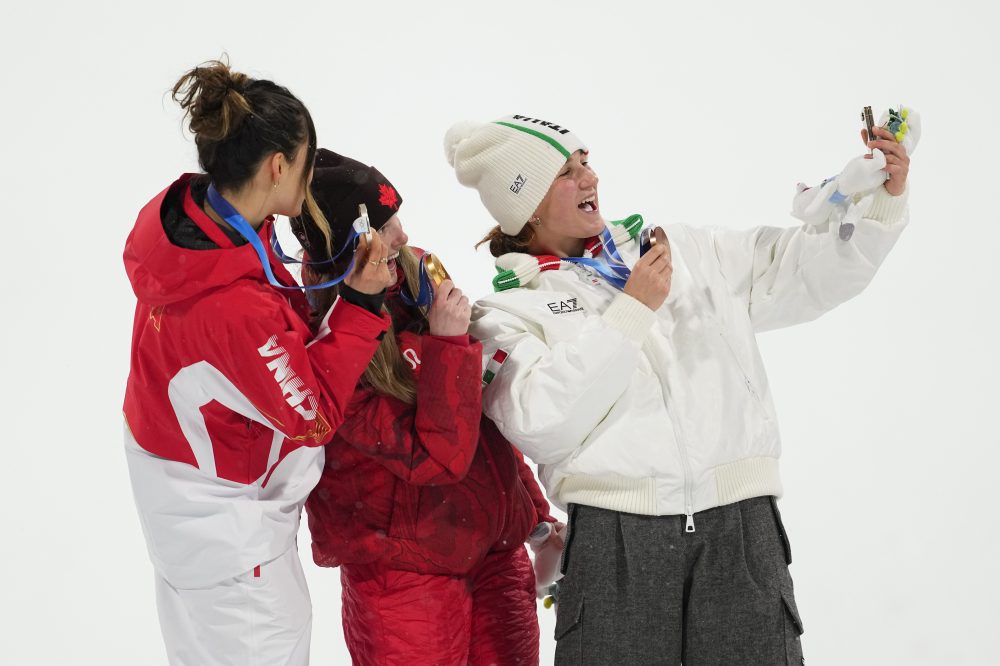
The Paris Games featured medals delivered in Louis Vuitton-branded cases, followed by athletes receiving phones for “the Olympic Victory Selfie, presented by Samsung,” a new tradition continuing at Milan Cortina.
Voumard acknowledged the importance of being “mindful of the legacy of those (Olympic) Games and the uniqueness of the presentation.”
The Los Angeles Olympics will pioneer new sponsorship territory.
For the first time, the IOC has authorized venue naming rights sales through a pilot program. Anaheim’s volleyball venue will retain its Honda Center designation, matching NHL games, while Comcast will brand a temporary squash arena.
Previously, sponsor-named stadiums required generic Olympic names. London’s O2 Arena became North Greenwich Arena for 2012 basketball and gymnastics, while multiple French soccer venues received temporary names for 2024.
Burns anticipates Los Angeles organizers may pressure the IOC for additional sponsor-friendly measures, requiring the organization to balance requests against Olympic brand protection.
“It’s not unreasonable to think that LA would look to what happened in Paris with Louis Vuitton or even Samsung on a podium,” Burns said.
“It’s their fiduciary responsibility to try to make as much money as they can. So they’re going to be looking for any and all opportunities to generate incremental revenue from sponsors. That’s the IOC’s role as a franchisor to protect that.”