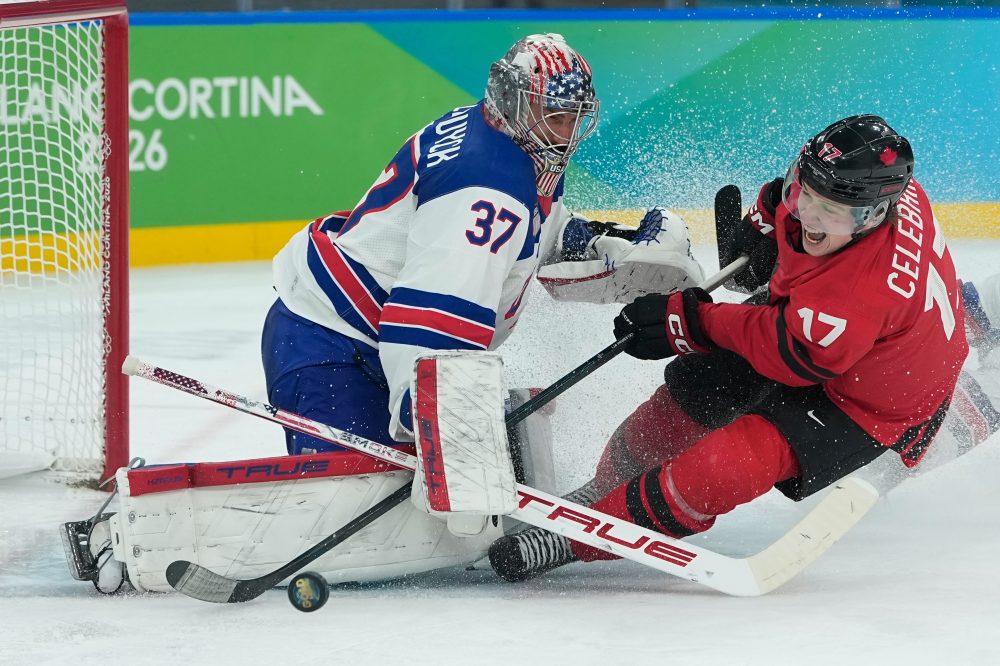

MILAN (AP) — After more than a decade away from Olympic competition, the world’s elite hockey talent delivered the excitement fans had been craving.
Seven of the tournament’s elimination matches in Milan went into extra time, culminating with Team USA defeating Canada in a thrilling, high-speed championship game to claim the gold medal. The sport captured the attention it deserved as NHL stars returned to Olympic play after a 12-year absence.
“This is as good as it gets,” said U.S. forward Vincent Trocheck. “They’ve got to keep doing it.”
Officials plan to do exactly that.
An existing partnership between the league, players’ union, and International Ice Hockey Federation ensures participation in the 2030 Games in the French Alps, assuming final negotiations with the International Olympic Committee succeed. However, the next opportunity for elite international competition arrives sooner: February 2028 will host the World Cup of Hockey.
The NHL and NHLPA share common ground on numerous matters, particularly their goal of creating a regular international schedule featuring these high-level tournaments every two years. The IIHF supports this vision as well.
“The hockey world from NHL/NHLPA standpoint is in a better place when The Players’ Association and the league are cooperating and, internationally, when these three organizations are collaborating the hockey world is in a better place,” said NHL Commissioner Gary Bettman. “And it gives us an opportunity to grow the game in places where we’re not as strong as, say, we are in North America and we look forward to continuing to collaborate with (IIHF president Luc Tardif) in furtherance of growing the game. That’s the goal, and the more things that we can figure out to do together, the better it will be for everybody.”
Milan marked the sixth Olympic Games featuring NHL athletes since the tradition began in Nagano in 1998. Missing the 2018 Games and having 2022 cancelled due to the pandemic left many in Milan disappointed — yet the extended break somehow enhanced the overall experience.
“It’s been so long since the last one,” said Canada defenseman Drew Doughty. “Wish it had never happened this way, but here it is.”
Team USA secured their first Olympic gold medal in men’s hockey during the NHL era, breaking Canada’s streak of two consecutive titles and three victories in four tournaments. This marked America’s first Olympic hockey championship since the legendary 1980 “Miracle on Ice,” though the only miraculous element this time was goaltender Connor Hellebuyck’s extraordinary performance — one of the greatest goaltending displays in international hockey history.
“He was our best player by a mile,” said Jack Hughes following his overtime winning goal, speaking with several missing teeth after taking a stick to the face during the match.
Hughes scored the decisive goal within two minutes of 3-on-3 overtime beginning, highlighting what many consider the tournament’s biggest flaw that needs addressing for future competitions — particularly in championship games and the upcoming NHL and NHLPA-organized World Cup.
Canada’s head coach Jon Cooper argued that 3-on-3 play rather than traditional 5-on-5 hockey, which decides NHL playoff contests, “is not hockey anymore.”
“There’s a reason overtime and shootouts are in play: It’s all TV-driven to end games, so it’s not a long time,” Cooper explained, referencing regular season game formats. “There’s a reason why (3 on 3) is not in the Stanley Cup Final or playoffs.”
After Team USA’s victory and before celebrations commenced, winning players expressed no objections to the current format.
“Right now, I think it’s great,” said Brock Nelson.