
Global oil markets experienced dramatic upheaval as Brent crude oil prices climbed above $115 per barrel, driven by escalating tensions across the Middle East that threaten vital shipping lanes.
Asian stock markets tumbled as crude oil posted what analysts say could become the largest monthly gain in history – approximately 59% for March alone. This surge exceeds even the dramatic price spikes witnessed when Iraq invaded Kuwait in 1990.
Recent developments have intensified market concerns, with Pakistan attempting to facilitate peace negotiations between reluctant American and Iranian representatives. Violence has spread throughout the Persian Gulf region and extended southward as Yemen’s Houthi forces launched attacks against Israel.
The expansion of hostilities raises serious concerns about potential shipping disruptions through the Bab el-Mandeb strait in the Red Sea, which serves as another crucial bottleneck for Middle Eastern oil exports alongside the Strait of Hormuz.
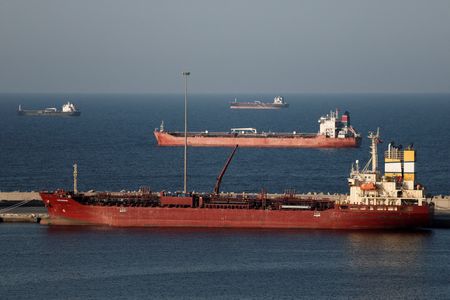
Regarding the Strait of Hormuz, President Trump revealed to the Financial Times that Iran had consented to allow passage for an additional 20 “big boats,” likely referring to oil tankers, as part of a diplomatic concession. This arrangement appears to acknowledge Iran’s effective control over the strategic waterway.
However, Trump also indicated more aggressive intentions, stating he wants to “take the oil in Iran” and suggesting possible deployment of U.S. military forces to capture Kharg Island, Iran’s primary oil export facility in the Persian Gulf.
The president described ongoing diplomatic communications with Iran as proceeding “extremely well” through both direct and indirect channels, though he acknowledged that while a deal could materialize quickly, success remains uncertain.
Military buildup continues in the region, with multiple reports indicating over 50,000 American troops are now stationed there, including additional special operations forces.
These factors suggest the conflict may persist for an extended period, with risks tilting toward further escalation that could inflict additional damage throughout the supply chain and delay any return to normal operations even after the Strait potentially reopens. This uncertainty has pushed Brent crude futures above $100 through July, with December contracts trading at $85 per barrel.
The oil price surge spells trouble for inflation rates and will likely appear prominently in Germany’s preliminary March consumer price index data released Monday, followed by European Union inflation figures on Tuesday. European Central Bank officials advocating for tighter monetary policy are already pushing for interest rate increases, with financial markets pricing in a 58% probability of an April rate hike.
Financial markets have abandoned expectations for Federal Reserve interest rate cuts this year, a topic Fed Chair Powell may address during a Harvard University event scheduled for today. This issue will also be significant for Kevin Warsh, the proposed successor to Powell, as the Senate Banking Committee plans to conduct confirmation hearings for Warsh’s nomination beginning the week of April 13.
Monday’s key economic events include Germany’s preliminary March consumer price index, European Union economic confidence data for March, the Dallas Federal Reserve’s monthly survey, remarks from Federal Reserve Chair Jerome Powell and New York Fed President John Williams, and a virtual meeting of G7 finance ministers, energy officials, and central bank leaders.