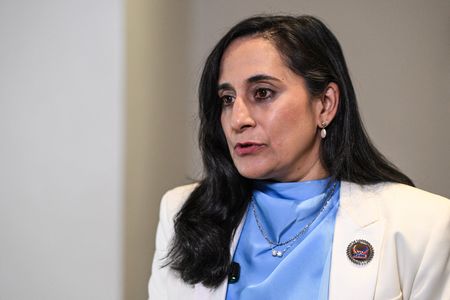

WASHINGTON — An Ohio congresswoman has filed a federal court motion seeking to compel the Kennedy Center to eliminate President Donald Trump’s name from the renowned Washington performing arts facility.
Representative Joyce Beatty of Ohio submitted the legal filing on Wednesday, contending that Congress explicitly intended for the cultural institution to honor only the late President John F. Kennedy.
“Renaming the Kennedy Center for President Trump — without any authorization from Congress — undermines the Center’s raison d’être, and frustrates its purpose as the only memorial to President Kennedy in Washington, D.C.,” the motion argues.
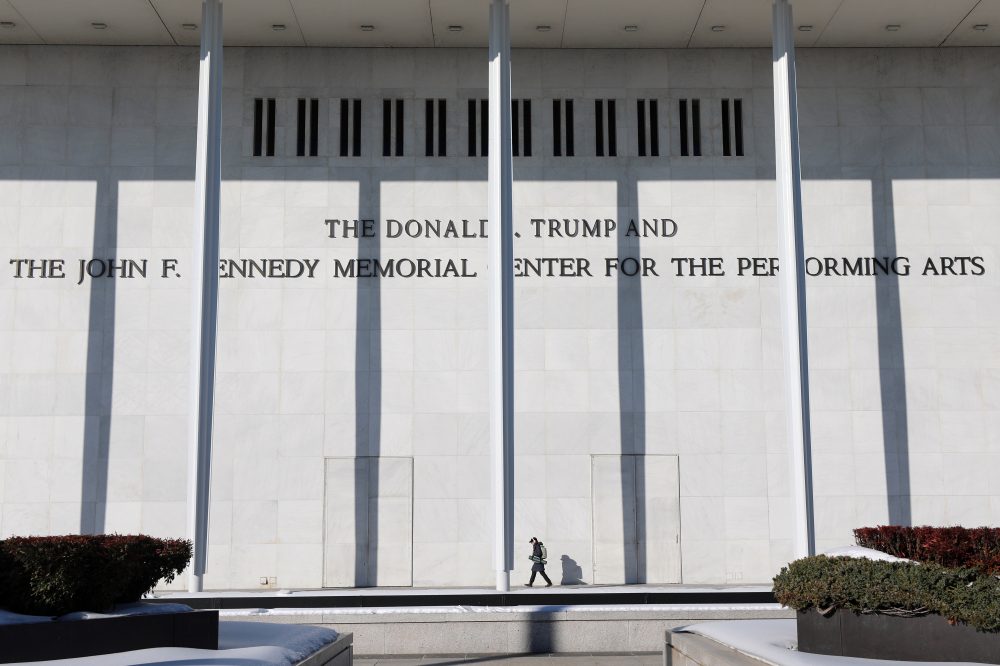
The board of trustees, selected by Trump, voted in December to rebrand the facility as the Trump-Kennedy Center, claiming the sitting president merited recognition for his renovation initiatives. The decision immediately sparked opposition from Democratic officials and Kennedy family members, while legal experts questioned the board’s authority to make such changes.
Beatty’s legal challenge maintains that Congress has consistently emphasized throughout the venue’s existence that no additional names should be displayed on the structure.
“Congress was particularly sensitive that no other names appear on the Center’s exterior walls, other than the signage designating the institution as a memorial for President Kennedy,” according to the motion.
Within 24 hours of the December board vote, Trump’s name appeared on the Kennedy Center’s exterior, a recognizable landmark situated along the Potomac River. The name modification has also been implemented across the institution’s online presence and social media platforms.
A cornerstone of the nation’s capital arts community since its 1971 opening, the Kennedy Center will close this summer under Trump’s direction for renovations expected to span approximately two years. This closure faces separate legal opposition from eight cultural and historic preservation organizations working to prevent additional structural modifications.
Beatty serves as an ex officio board member through her congressional role. A federal judge determined earlier this month that she could attend board meetings but declined to guarantee her voting rights regarding the facility’s closure.