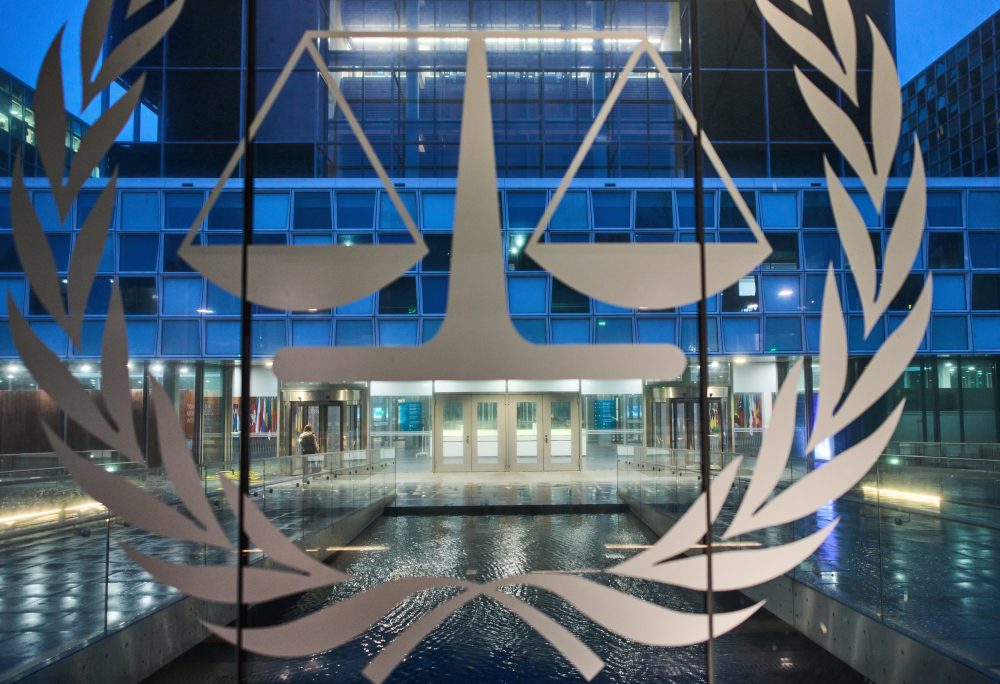

THE HAGUE, Netherlands — Niger has officially departed from the International Criminal Court, with the country’s leadership accusing the tribunal of practicing selective justice.
The west African nation formally submitted a letter to the United Nations triggering its exit from the Rome Statute, which serves as the court’s foundational legal document.
The letter stated, “While the court had raised great hopes among peoples who cherish peace and justice, it has been misused and exploited.”
Niger joins Mali and Burkina Faso, all three of which announced their intentions to withdraw from the court last year. With this departure, Niger becomes only the third nation ever to exit the ICC, following the Philippines and Burundi.
A military coup removed Niger’s democratically elected government in 2023. Since that takeover, the ruling military junta has cut ties with longtime allies and forged new partnerships — including with Russia, whose President Vladimir Putin is himself the subject of an ICC arrest warrant related to the war in Ukraine.
Mali and Burkina Faso have undergone comparable political shifts following their own military takeovers.
The ICC responded to Niger’s departure with disappointment. “We regret any decision to depart from the collective effort to end impunity for the most serious international crimes,” the court said in an official statement.
Niger’s withdrawal will not take effect until 12 months after the United Nations received the letter. Importantly, any crimes that take place before the withdrawal is finalized will still fall under the court’s authority.
The departure comes amid ongoing violence in the region. Earlier this month, gunmen attacked the main airport in Niger’s capital city of Niamey, killing more than 30 people. It marked the second assault on the airport this year. The facility serves as a critical military hub, housing the ruling junta’s air force base along with the majority of its drones and aircraft. It also serves as headquarters for the regional military alliance uniting forces from Niger, Mali, and Burkina Faso.
The attack reflects a broader and troubling trend of armed groups increasingly setting their sights on cities and populated areas across Africa’s Sahel region.
In a related development, Hungary had also moved to leave the ICC last year, but reversed that decision after Viktor Orbán was removed from the presidency following elections held in April.