
A New Zealand city council has turned down a proposal to build a memorial statue honoring women who were forced into sexual slavery by Japanese military forces during World War II, following diplomatic pressure from Japan’s government.
The Devonport-Takapuna Local Board within Auckland Council voted 4-2 on Tuesday to deny the Korean Garden Trust’s request to place a bronze sculpture depicting a young girl at Barry’s Point reserve on the city’s North Shore.
The memorial would have honored an estimated 200,000 women, primarily from Asian countries, who were enslaved by Japan’s military in what has been euphemistically called the “comfort women” system.
Kim O’Neill, who heads land and property advisory services for Auckland Council, explained the decision in a statement: “Auckland Council staff recommended that the Devonport-Takapuna Local Board decline a proposal for a statue for Barry’s Point Reserve in Takapuna based on the results of the public consultation and feedback received, which demonstrated a lack of community support for the proposal.”
During public consultations held in January, the council received nearly 700 responses from community members and organizations. According to officials, 57% of individual respondents and 15 out of 20 organizations expressed opposition to the memorial.
Those against the statue cited worries about creating community divisions, concerns over political messaging, and questions about its connection to New Zealand. Supporters argued the memorial would encourage historical reflection, recognize past injustices, and enhance educational opportunities, council representatives noted.
Japan’s Ambassador to New Zealand, Makoto Osawa, submitted formal opposition to the proposal, stating he “strongly” disagreed with the statue’s installation.
“I am concerned that it will cause division and conflict within New Zealand’s wonderful multi-ethnic and multicultural society and between Japanese and Korean communities,” Osawa wrote in his submission.
The ambassador further warned: “The installation of the statue could have a significant impact not only on the relations between peoples, private sectors and local governments in both countries, but also on the diplomatic relations between Japan and New Zealand.”
The Korean Council for Justice and Remembrance had offered the statue as a gift to New Zealand. The memorial design matches sculptures that activists first placed outside Japan’s embassy in Seoul, South Korea, in 2011 as part of ongoing demands for formal apologies and compensation.
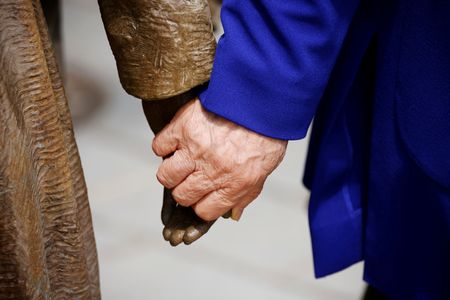
The bronze figure shows a young girl sitting beside an vacant chair. According to Project Sonyeo, an organization that tracks similar memorials worldwide, the empty seat represents the comfort women who have died.