
Veterinarians and humane societies issued warnings Wednesday after more than 30 confirmed cases of the New World screwworm were identified in Texas and New Mexico — two of them involving dogs — urging pet owners to stay alert and take steps to protect their animals.
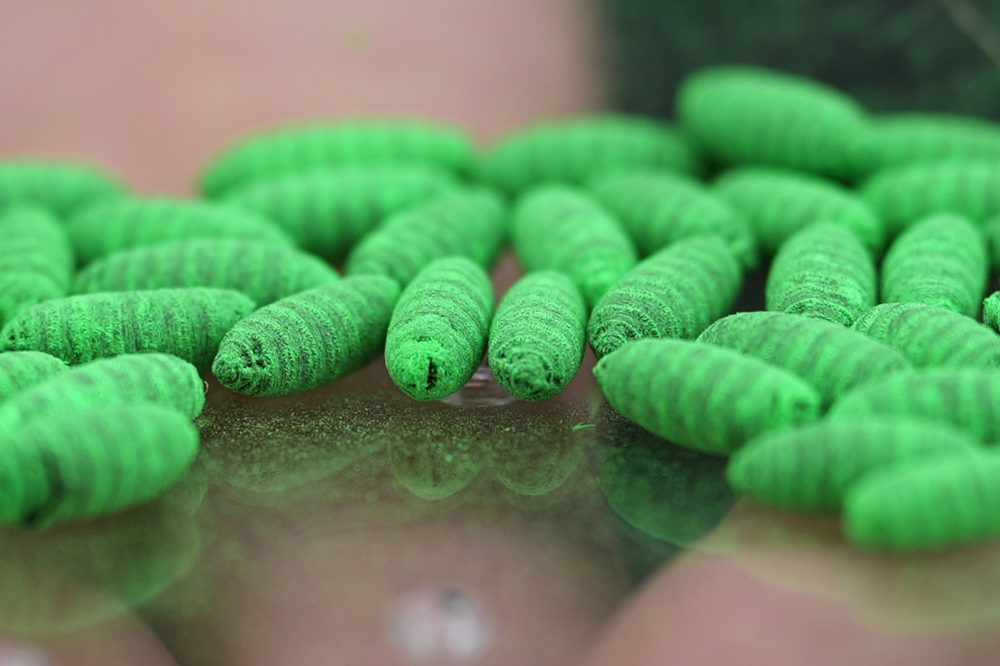
The parasite made its return to the United States in June, more than half a century after it had been largely wiped out. Unlike most fly larvae that feed on dead tissue, the New World screwworm fly’s larvae consume living flesh and bodily fluids, making it especially dangerous to any mammal it infects.
The fly began moving north from Panama in 2024 and crossed into Mexico in 2025. While agriculture officials have focused on the threat it poses to the $113 billion U.S. cattle industry, the larvae can take hold in any mammal — including wildlife, dogs, cats, and occasionally humans.
The infestation begins when a female fly deposits eggs in open wounds or mucous membranes. Once hatched, the larvae feed for roughly a week before maturing, dropping to the ground, and eventually developing into adult flies.
The American Veterinary Medical Association notes that newborns and animals with open wounds or those who have recently had surgery or medical procedures face the highest risk. Even a tick bite can become a site for infestation, according to Aaron Grady, executive director of the Houston Humane Society shelter, who spoke during a webinar on the screwworm.
Animal health experts advise pet owners in affected areas — currently southern and southwestern Texas and southeastern New Mexico — to inspect their animals frequently for any wounds, cuts, or bites.
Signs of a possible infestation include visible maggots or movement within a wound, a foul odor, and unusual restlessness or anxiety in the animal. Melissa Stansell, a veterinarian at the shelter Austin Pets Alive!, also noted that an animal “hyper-fixating on looking or chewing in a certain area of the body” is a warning sign worth taking seriously.
Any of these symptoms should prompt an immediate call to a veterinarian. Infected animals are likely experiencing severe pain, which can lead to death from shock. The larvae can also be fatal if they migrate into vital organs or trigger life-threatening infections.
Shelters across Texas are working to prevent infestations by administering prescription flea and tick medications to animals in their care, and veterinarians recommend that pet owners do the same.
“It will kill the larvae as they ingest the blood and tissue,” Stansell explained. “The chemical compositions of those products are what kill the actual larval stages of these flies.”
Veterinarians can treat infestations, and animals can recover if care is sought promptly. Stansell said treatment may involve antibiotics, adding a reassuring note: “It is only fatal if left untreated.”
As a tropical species, the New World screwworm fly historically died off each year when cooler fall and winter temperatures arrived. However, state and federal agriculture officials aren’t counting on the weather to solve the problem.
Authorities have revived an eradication strategy that proved successful decades ago: breeding sterile male flies and releasing them into the wild. Since the female New World screwworm fly mates only once during her months-long life, pairing with a sterile male means her eggs will never hatch — gradually reducing and eventually eliminating the local population.
For years, the only facility in the Western Hemisphere breeding sterile flies was located in Panama. The U.S. Department of Agriculture has since invested $21 million to convert a site in southern Mexico — previously used to breed fruit flies — into a screwworm fly breeding operation. The agency also plans to spend $750 million on a new facility in Texas, expected to open next year.