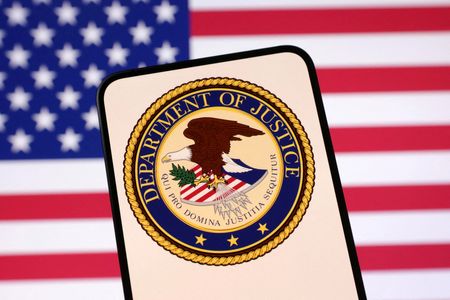

New Mexico’s top law enforcement official is pointing the finger at the U.S. Department of Justice, accusing the federal agency of standing in the way of the state’s investigation into the late sex offender Jeffrey Epstein.
The state, under Democratic leadership, reopened its investigation in February into Epstein’s former ranch located south of the state capital, Santa Fe. Epstein is accused of abusing women and girls at that property for close to 30 years.
Despite nearly five months passing since the investigation was relaunched, New Mexico Attorney General Raul Torrez has not yet announced any findings or results.
The push to make U.S. Department of Justice files on Epstein public has been a recurring issue for President Donald Trump during his second term in office. Trump has indicated he believes the country should move past the investigation into the deceased financier’s alleged crimes.
In a letter dated June 30 and addressed to Acting U.S. Attorney Todd Blanche, Torrez stated that the Justice Department had not responded to a February request from New Mexico for unredacted documents. Those files reportedly contain the names of Epstein survivors, witnesses, co-conspirators, and other individuals considered critical to the state’s investigation.
Torrez followed up with a public statement on Thursday, calling the 130-day delay “unreasonable under any rule of reason.”
The Justice Department pushed back, with a spokesperson stating that the agency did respond to New Mexico’s request back in June.
“The DOJ reiterates that it welcomes New Mexico undertaking additional investigation of the Zorro Ranch and stands ready to provide necessary assistance with New Mexico’s investigation,” the spokesperson said. The agency also indicated it was prepared to investigate and potentially prosecute any federal crimes uncovered through the New Mexico probe.
Earlier in March, Torrez had acknowledged that investigators were running into major roadblocks. He pointed to the significant amount of time that had passed since Epstein’s alleged crimes took place, the potential loss or degradation of evidence at the ranch — which was sold in 2023 — and possible legal jurisdiction complications that could affect any future prosecutions.