
Tehran’s leadership remains intact. Hamas and Hezbollah continue to operate despite significant losses. President Donald Trump’s priorities may no longer align perfectly with Israel’s strategic interests.
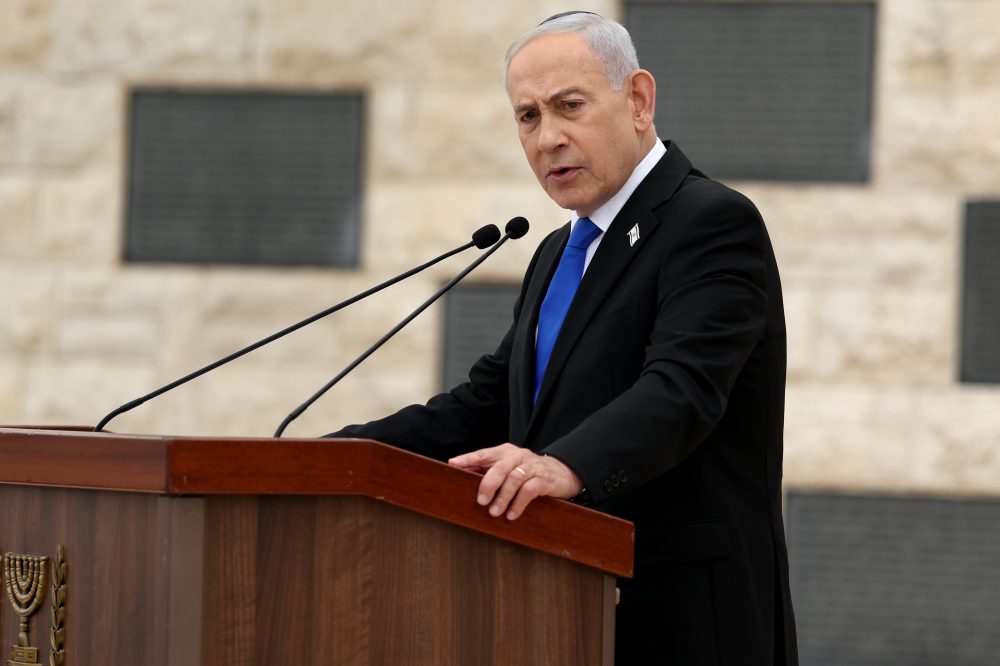
The military campaigns against Iran and its allied groups have not proceeded as Prime Minister Benjamin Netanyahu anticipated, potentially creating electoral challenges for Israel’s most tenured leader as voting approaches later this year. Recent polling data indicates widespread Israeli discontent with how the Netanyahu administration has conducted wartime operations.
When the U.S.-Israeli offensive against Iran began in late February, Netanyahu outlined ambitious objectives: weakening the Islamic Republic’s armed forces, eliminating its nuclear and missile capabilities, and establishing conditions for regime change. Though Iran’s military capacity has suffered substantial damage, it continues threatening neighboring countries and maritime traffic through the Strait of Hormuz — while Netanyahu’s broader objectives remained unmet when ceasefire terms were announced this month.
The conflict with Lebanon’s Hezbollah has similarly ended without resolution. Netanyahu stated he accepted the truce following Trump’s request but emphasized Israel was “not finished yet” with the Iranian-supported organization; Israeli military units continue controlling a 10-kilometer zone in southern Lebanon.
The polling showing public dissatisfaction compounds the ongoing Gaza situation — another case where Trump urged Netanyahu to reduce military activity. More than two years following Hamas’ October 2023 assault on Israel that sparked the conflict, the Iranian-backed organization remains operational despite significant weakening.
“After 925 days of fighting since October 7, Israel has failed to achieve decisive victory on any front,” military affairs analyst Yoav Limor observed. “At the end of yet another war, it is perceived as a country whose decisions are not made in Jerusalem, but in Washington.”
Netanyahu has characterized the Iranian campaign as successful, describing it as preventive action against an “existential” danger. “We crushed the Iranian regime’s destruction machine in advance,” he stated recently.
Public confidence in Netanyahu’s administration plummeted following the devastating 2023 Hamas assault. He subsequently pursued an intensive retaliatory operation against Hamas and associated groups while securing the freedom of numerous hostages from Gaza through ceasefire negotiations.
Israel has achieved notable military victories against Iran and Hezbollah forces in Lebanon. However, these accomplishments have not translated into personal political gains for Netanyahu. Despite broad public backing for the recent Iranian and Hezbollah operations, their indecisive conclusions have left many Israelis weary and frustrated.
“People were disappointed because it hadn’t achieved the goals,” explained Dahlia Scheindlin, a Tel Aviv political expert.
Research conducted by the Israel Democracy Institute, a Jerusalem-based centrist organization, during the Iranian campaign’s opening week showed 64% of participants trusted Netanyahu’s leadership. However, follow-up polling after the April 8 ceasefire revealed Israelis evaluated the government’s war management — beyond just Netanyahu — more critically than favorably.
The survey, completed before U.S. mediation extended the Lebanese ceasefire, also revealed majority support for continuing military action against Hezbollah in Lebanon.
Following the Iranian and Hezbollah ceasefires, Israelis have started questioning the strength of Netanyahu-Trump relations and broader U.S.-Israeli ties compared to pre-war levels.
While Trump’s objectives have occasionally differed from Netanyahu’s, the American president continues expressing public support for Israel. He recently posted on Truth Social that “whether people like Israel or not, they have proven to be a GREAT Ally of the United States of America.”
Trump announced Thursday his intention to welcome both Netanyahu and Lebanese President Joseph Aoun to the White House in the “near future” for truce discussions, calling it an honor.
Israeli sentiment remains skeptical.
The Israel Democracy Institute’s research found most Israelis believed there was “fairly” or “very” low probability that U.S.-Iran agreements would adequately consider Israel’s security requirements.
When questioned about the leaders’ relationship, Netanyahu’s office provided no response. An Israeli official speaking anonymously about private discussions confirmed Trump and Netanyahu maintain daily communication.
Netanyahu announced last year his decision to present Trump with the Israel Prize, among the nation’s highest recognitions, making him the first international leader to receive this distinction. Israel extended an invitation for Trump to accept the honor in Jerusalem on April 22, during the country’s 78th independence celebration.
That date passed without a Trump appearance.
The Lebanese ceasefire has generated significant frustration in Israeli border communities that endured six weeks of Hezbollah rocket attacks.
“I live 100 meters from the border,” said Asaf Oakil, a Kiryat Shmona resident. “The ceasefire? It’s a mistake.”
Local businesses remain shuttered while recent protests have erupted, with considerable anger targeting Netanyahu.
“I really hope that the residents of the north will learn from this and vote for someone who can help us here, not someone who brings us down and buries us,” stated Shosh Tsaoula, another Kiryat Shmona resident.
Netanyahu’s administration is approaching the conclusion of its four-year mandate and must conduct elections before October ends.
Opposition leaders Naftali Bennett and Yair Lapid declared Sunday their intention to collaborate in upcoming elections. Former military commander Gadi Eisenkot, another prominent opposition figure, is anticipated to join their alliance.
Israeli Yediot Ahronoth newspaper commentator Nadav Eyal suggested Netanyahu faces “big trouble” unless he can demonstrate that conflicts with Iran, Hezbollah and Hamas have produced enduring security benefits.
“With unstable ceasefires that can lapse at any given point, voters will be not happy about it.”