
Professional basketball’s governing body has given the green light to major reforms of its draft lottery system on Thursday, designed to discourage teams from intentionally losing games to improve their chances at top draft picks.
The league’s Board of Governors officially endorsed the new system for the upcoming three seasons. This “3-2-1 Lottery” format will include 16 teams and reduce the advantages previously given to clubs with the poorest records by flattening the probability structure for securing the top selection.
While the weakest teams can still claim the lottery victory, the mathematics now work against them. The bottom three franchises will each hold just 5.4% probability of winning, whereas clubs finishing with the fourth through tenth-worst records will each possess 8.1% chances of claiming the top spot.
“Since October, the league office has met with key stakeholders to discuss current competitive incentives and solicit ideas aimed at discouraging tanking,” the league said Thursday in announcing the move. “That process led to the creation of the 3-2-1 Lottery.”
According to ESPN’s reporting, the decision passed with Memphis providing the single opposing vote in a 29-1 tally.
Thursday’s decision delivered on a commitment made by Commissioner Adam Silver, who had pledged the organization would take decisive action against tanking practices before the upcoming season begins. The league has modified its lottery structure approximately six times over the past four decades.
Beginning with the next lottery drawing, the 16 eligible franchises will receive between one and three lottery balls distributed as follows:
— Teams that lose in the No. 7 versus No. 8 play-in matchups from each conference receive one lottery ball.
— The No. 9 and No. 10 seeded teams entering the play-in tournament receive two lottery balls each.
— The other 10 clubs missing both playoffs and play-in competition receive three lottery balls, except for the three teams with the worst standings. These bottom franchises enter “draft relegation” and forfeit one lottery ball as the anti-tanking mechanism.
Deliberate losing became a significant and unwelcome storyline this season from the league’s perspective. Utah received a $500,000 penalty “for conduct detrimental to the league” related to keeping two star players on the bench during fourth quarters of two contests, including one game Utah actually won. The franchise had motivation to restrict victories this year, as too many wins could have jeopardized their opportunity for a top-eight draft position, which Utah ultimately obtained.
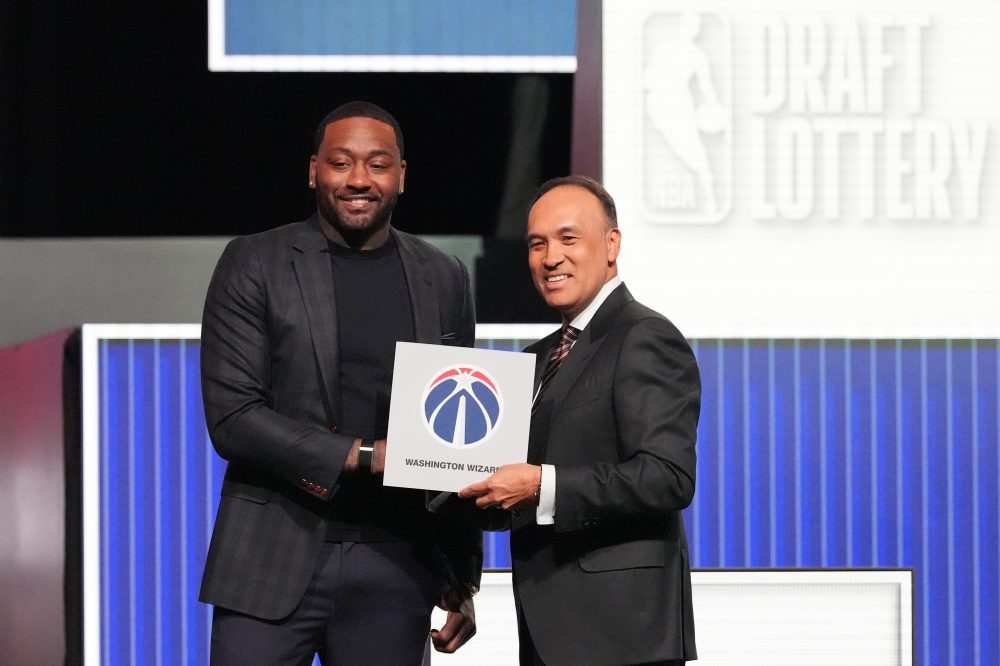
Utah joined four other clubs — lottery champion Washington, Indiana, Memphis and Brooklyn — posting winning percentages under .180 following the All-Star break. No previous season had witnessed so many teams losing at such rates after the midseason break.
The revised system ensures teams with the three poorest records cannot drop below the No. 12 selection. However, the highest probability for claiming the top pick shifts to the remaining seven clubs that miss playoff and play-in qualification.
The No. 9 and No. 10 play-in seeds would also hold 5.4% odds of lottery victory, while the losing teams from No. 7 versus No. 8 play-in contests would each have 2.7% chances.
Additional provisions within the new framework include preventing any franchise from capturing consecutive No. 1 picks and granting the league “expanded disciplinary authority” for addressing tanking behavior, potentially including reduced lottery odds or altered draft positions.
These regulations remain active through 2029. The Board of Governors must vote again before the 2030 lottery to either continue the current system or develop alternative measures.