
BRUSSELS (AP) — The alliance’s supreme allied commander is developing backup defense strategies for Europe following Pentagon announcements that America will reduce the number of aircraft and naval vessels available during security emergencies.
The NATO Force Model serves as the primary blueprint for deploying forces from all 32 member countries during peacetime, crisis situations, or warfare. This framework outlines which military resources commanders can access during the initial six-month period of any potential conflict.
However, the Pentagon informed its alliance partners last month that it would reduce its European commitments to concentrate on other potential threats, particularly from China in the Indo-Pacific area.
Nations across Europe and Canada had been waiting for more than a year for the Trump administration to outline its strategy after warning that Europe would no longer be America’s primary security focus. While allies expected reductions, the scope, timeline, and nature of the cuts remained unclear.
U.S. Gen. Alex Grynkewich, NATO’s supreme allied commander, stated that “the United States is still committed to providing limited but critical capabilities to the alliance.”
“We need to focus on things that we can acquire quickly, that we can field quickly, and that we can scale rapidly and sustain over time, and that goes for long-range fires” as well as drones, Grynkewich said at the ILA Berlin Air Show on Thursday.
“Those sorts of things can help us mitigate the near-term risk should we find ourselves needing to deter and defend,” he added.
Following a June 2-3 meeting where allies evaluated shortfalls created by America’s decision, Grynkewich stated that European partners and Canada must address these gaps by providing both piloted and unmanned aircraft, plus naval ships. He emphasized this should occur “now and in the near term.”
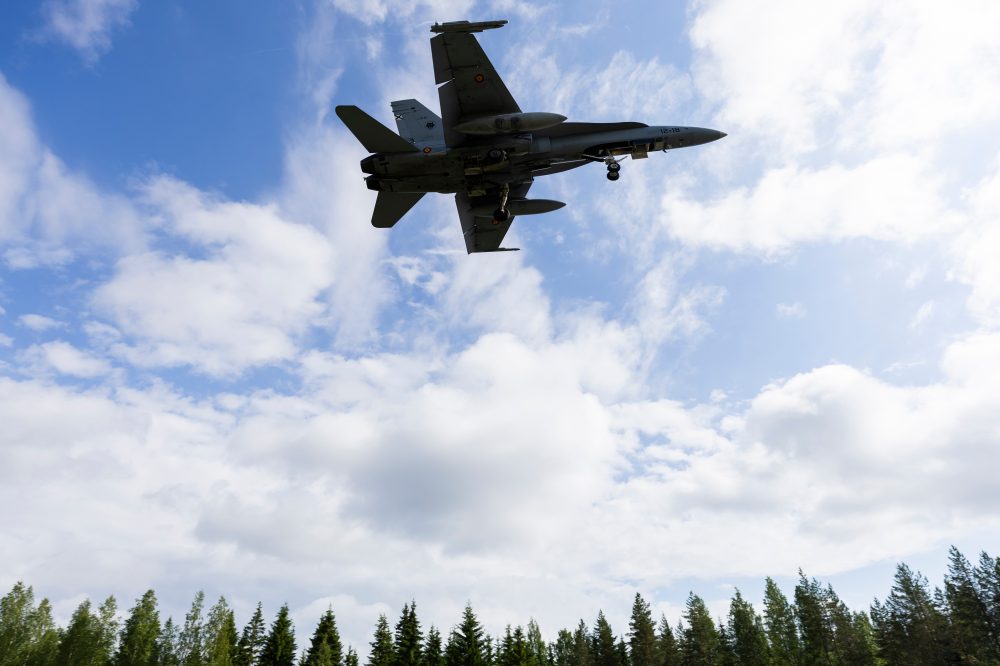
While specific details about the reductions remain classified, German and American media outlets report that an aircraft carrier along with its accompanying warships and aircraft, plus a submarine, would be removed from European operations. Midair refueling aircraft and numerous fighter jets would also become unavailable.
Europe faces shortages in all these military assets, making rapid replacement challenging. Nevertheless, Washington seeks to understand how allies plan to compensate for these resources before President Donald Trump meets with NATO leaders at a summit in Turkey scheduled for July 7-8.
NATO military headquarters announced Friday that it will reduce its peacekeeping force in Kosovo by removing certain troops and equipment. KFOR initially deployed in 1999 to maintain peace between Kosovo and Serbia.
Originally consisting of 50,000 personnel, KFOR has undergone regular downsizing as regional tensions decreased, though 1,000 additional troops were sent in 2023 following renewed violence.
“The current conditions provide an opportunity to optimize KFOR’s size and posture further,” Grynkewich said. His staff refused to specify which forces might depart or whether Americans would be among those leaving.
“It’s not about numbers, it’s about optimization, and about ensuring the safety and security of all people living in Kosovo, and more broadly the region,” his spokesman said.
America currently maintains 590 troops with KFOR, ranking second among 31 contributing countries behind Italy’s 907 personnel. American Black Hawk helicopters operate from the extensive U.S. facility there, Camp Bondsteel.
Speaking in Berlin, Grynkewich noted that intelligence assessments and Russian military activity indicate “Russia is not looking for a conflict with NATO.” Russia remains heavily engaged in the Ukraine conflict while facing recruitment challenges.
European governments and intelligence agencies have cautioned that Russian President Vladimir Putin might be positioned to attack other parts of the continent within three to five years, particularly if he achieves victory in Ukraine.