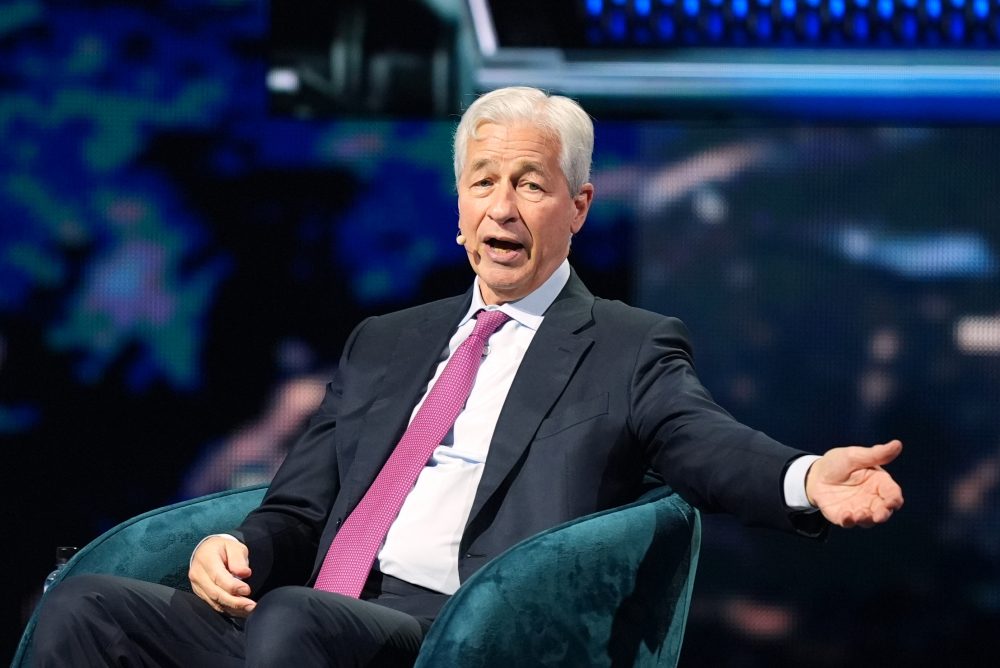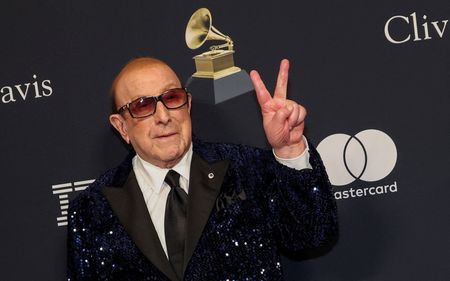

Clive Davis, a former corporate attorney who transformed himself into one of the most powerful forces in American music — helping launch and shape the careers of Bob Dylan, Whitney Houston, Bruce Springsteen, and dozens of other iconic artists — has passed away at 94, according to a statement from his family released Monday.
Davis, widely known throughout the industry as “the man with the golden ear” for his remarkable ability to spot a hit song, died at his home in Manhattan. The New York Times reported he had recently been hospitalized due to respiratory problems.
His family shared a heartfelt tribute on Facebook. “To the world, our father was the iconic music legend whose vision, instincts, and relentless pursuit of excellence shaped the soundtrack of countless lives,” the statement read. “To his family, Clive was Dad and Granddaddy, the steady presence at the center of our lives, the source of wisdom, strength, encouragement, and unconditional love.”
Throughout his career, Davis proved himself uniquely capable of crossing musical genres and generational boundaries well into his 80s. He discovered Janis Joplin during the 1960s rock era, mentored Sean “P. Diddy” Combs in the hip-hop world of the 1990s, and guided Kelly Clarkson through the pop landscape of the 2000s.
Davis earned four Grammy Awards for producing recordings by Clarkson, Carlos Santana, and Jennifer Hudson, along with a fifth Grammy recognizing his overall contributions to music. His work with Santana produced an album that swept the 2000 Grammy Awards with nine wins. He also helped revive the careers of Rod Stewart, Aretha Franklin, and Dionne Warwick.
Davis was born in the Brooklyn borough of New York City on April 4, 1932. As a child, he listened to the radio but felt no particular passion for music and didn’t even collect records the way his friends did.
After earning degrees from New York University and Harvard Law School, Davis worked at private law practices before joining the legal department at Columbia Records — a division of CBS — in the early 1960s. He made an immediate impact by successfully arguing to keep Dylan under contract when the singer’s management attempted to void the deal.
In 1966, Davis was elevated to head of the record label, which had largely been overlooking the growing rock music market, with only a handful of acts like Dylan, Simon and Garfunkel, and the Byrds catering to younger audiences.
His career took a decisive turn when record producer Lou Adler brought him to the Monterey Pop Festival in California in 1967. Davis later described the experience as “the creative turning point in my life.” Captivated by Janis Joplin’s performance, he immediately signed her and her band, Big Brother and the Holding Company.
In the years that followed, Davis built Columbia’s roster into a powerhouse by signing Chicago, Aerosmith, Pink Floyd, Blood Sweat and Tears, Springsteen, Santana, Billy Joel, Sly and the Family Stone, and Boz Scaggs — all of whom went on to become major stars.
Davis was deeply involved in every aspect of his artists’ work, from studio production to marketing strategy and song selection. When he suggested that Springsteen’s debut album “Greetings From Asbury Park, N.J.” needed a radio-friendly track, Springsteen responded by writing “Spirit in the Night” and “Blinded by the Light,” both of which became signatures of his live performances.
“Talent comes to me because they believe I’ve established a creative haven in which they can flourish,” Davis told Newsweek in an interview. “And talent attracts talent.”
Davis embraced the spotlight that came with his success, and even acknowledged it fed his ego. A well-known joke in music circles held that Davis believed the “CD” format was named after his own initials.
By 1973, however, trouble was brewing at CBS’s record division. According to the book “Hit Men: Power Brokers and Fast Money Inside the Music Business,” reports surfaced of inappropriate conduct at company gatherings, payments to secure radio airplay, and a Davis subordinate linked to fraud involving a heroin trafficker. Davis himself faced scrutiny over the use of company funds to pay for his son’s bar mitzvah. CBS fired him that year and pursued a $94,000 expense-account lawsuit, which was eventually settled out of court. Davis later pleaded guilty to failing to pay taxes on work-related expenses and was ordered to pay a $10,000 fine.
The setback did little to slow him down. By 1974, he had secured funding to launch his own label, which he called Arista. Barry Manilow was among the first artists signed, delivering a run of hit records for the new venture.
At Arista, Davis built a specialty in reviving the careers of artists like Franklin, Warwick, Lou Reed, and the Kinks, who had seen their commercial momentum stall. New talent and comeback acts alike generated strong revenues, Grammy Awards, and gold records for the label.
Not every decision was driven by commercial potential. He signed Patti Smith — widely regarded as the godmother of punk rock — despite her limited mainstream appeal. Smith, who inducted Davis into the Rock and Roll Hall of Fame in 2000, later told the Associated Press: “I really felt Clive, whatever his mainstream reputation … does love artists.”
Perhaps his most celebrated move at Arista came in 1983, when he discovered a teenage Whitney Houston and guided her to record-shattering success with a series of No. 1 hits. Davis played a hands-on producer role in Houston’s recording of “I Will Always Love You” — featured in her film “The Bodyguard” with Kevin Costner — which spent 14 weeks at No. 1 and became one of the best-selling singles in history.
Davis and Houston developed a deep personal bond, and she considered him family. Her descent into drug addiction and her fatal overdose in 2012 left him devastated.
“It rips your heart out, is what it does,” Davis said in a 2013 interview with CNN. “We knew there was no one like her and it is very, very painful that this tragic, tragic talent so prematurely came to an early demise, really.”
Davis also signed saxophonist Kenny G at Arista, helping him become one of the top-selling instrumental artists in music history. He expanded the label’s reach by launching a Nashville division that became home to country music stars Alan Jackson, Brooks and Dunn, and Brad Paisley.
Additionally, Davis helped proteges L.A. Reid and Kenneth “Babyface” Edmonds establish a label that produced R&B stars including Usher, TLC, and Outkast, and he brought future music mogul Combs in as a partner on a rap label.
Despite all of that success, Arista’s parent company, BMG Entertainment, pushed Davis out in 2000. Undaunted, he founded J Records, where he achieved major success with Alicia Keys, Luther Vandross, and an “American Songbook” series of classic 1930s and 1940s pop standards that helped reignite Rod Stewart’s career.
J Records was eventually absorbed through a series of corporate mergers, and in 2008 Davis was appointed chief creative officer of Sony Music Entertainment.
In his 2013 memoir, “The Soundtrack of My Life,” Davis — who had been married and divorced twice and had four children — publicly revealed that he was bisexual. He disclosed that he had maintained a 13-year relationship with a male doctor and was, at the time of writing, in another long-term relationship with a man.