
Oil service companies worldwide are preparing for reduced profits as ongoing Middle East warfare damages energy facilities and causes producers to delay new drilling operations despite climbing oil prices.
While rising commodity costs—with Brent crude climbing 53% since February 27, one day before U.S. and Israeli military action against Iran began—usually make energy projects more lucrative and increase demand for drilling equipment and personnel, this conflict presents a different scenario.
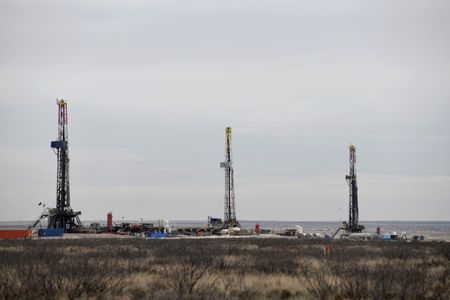
The warfare has created security threats and infrastructure destruction that have caused drilling operations to drop significantly, reducing the need for oil services and equipment in a major global energy production area.
Igor Isaev, analytics director at European brokerage Mind Money, explained the complex situation: “For oilfield services companies, the situation is quite ambiguous: if producers do not increase activity, the price jump alone will not lead to a rise in orders.”
Operations face disruption from inactive drilling platforms in the Persian Gulf, delayed crew deployments, and increased logistics and insurance expenses, causing project postponements and reduced equipment usage.
According to Rystad Energy data from March 27, offshore drilling platforms have decreased approximately 39% to 72 active rigs in the Gulf region. The consulting company reported 118 offshore platforms were operational before February 28.
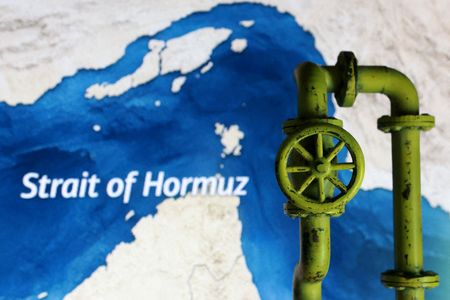
Navigation through the Strait of Hormuz, which handles about one-fifth of worldwide oil and gas transportation, has become more challenging due to heightened security threats, adding complications to offshore drilling and equipment transport.
Lauren Mayhew, MENA Research director at Welligence Energy Analytics, warned about potential consequences: “A persistent closure of the Strait of Hormuz would severely impact crew mobilizations in the region as well as create logistical challenges for movement of equipment and higher insurance costs.” She added that regional project delays would be anticipated.
Oil service companies are experiencing immediate consequences as Middle Eastern operations decrease and producers in other regions remain cautious.
American producers attending this week’s CERAWeek conference in Houston indicated they need sustained elevated oil prices for multiple months before increasing drilling rigs.
Industry leader SLB anticipates first-quarter revenues below projections and earnings reduced by 6-9 cents per share after halting travel and shutting down Middle Eastern operations.
Major companies SLB, Halliburton, and Baker Hughes face the greatest Middle Eastern exposure, while smaller competitors that recently invested in the region also confront pressure.
British-based Borr Drilling placed four platforms on standby throughout Saudi Arabia, UAE, and Qatar while evacuating personnel from one location.
Richard Spears, vice president at oilfield consulting firm Spears & Associates, projected that Middle Eastern oilfield services revenue could decline 10% to 20% during the first quarter.
“If the war keeps going on, well, the second quarter is not good,” Spears stated.
Although the conflict currently reduces activity, experts expect it will eventually increase future demand.
Refineries will require repairs after export channels reopen, work typically handled by oilfield service providers and engineering companies.
Rystad Energy estimates Middle Eastern energy infrastructure repair costs have reached at least $25 billion.
Rystad Energy analyst Karan Satwani noted: “Damage across Gulf energy infrastructure will generate meaningful demand for oilfield services … this would result in operators prioritizing repair and maintenance of existing fields over contract awards for new development.”
QatarEnergy’s chief executive informed Reuters that Iranian attacks eliminated one-sixth of the nation’s LNG export capability, valued at approximately $20 billion annually, with repairs expected to require three to five years.
Baker Hughes CEO Lorenzo Simonelli confirmed his company’s readiness to assist QatarEnergy during damage assessment.
Welligence Energy’s Mayhew concluded: “Additional repair and maintenance to damaged facilities in the region will to some extent result in additional demand for OFS companies, the extent to which this occurs however will be heavily dependent on broader market conditions and firm’s capital allocations.”