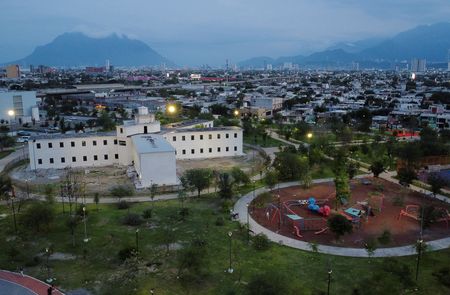

MONTERREY, Mexico – Where dozens of children now kick soccer balls in a peaceful park, a deadly cartel battle once claimed 49 lives in one of Mexico’s most violent correctional facilities.
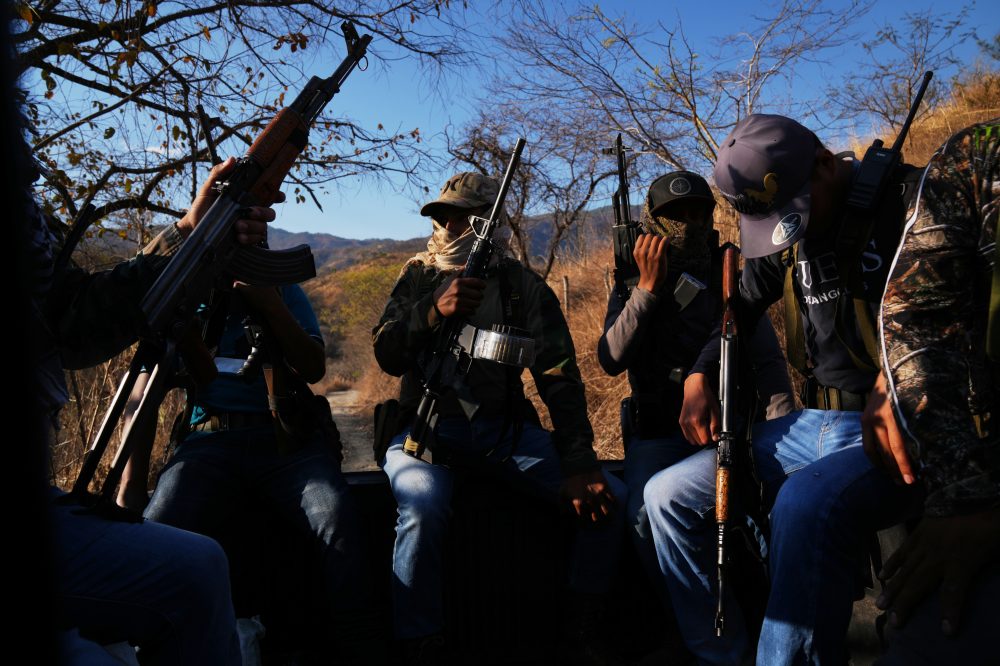
The dramatic transformation of this northern Mexican city illustrates how Monterrey has evolved from a battleground of drug violence into one of the nation’s safest metropolitan areas, just as it prepares to welcome international soccer fans for four World Cup matches.
Liberty Park now occupies the former grounds of the infamous Topo Chico prison, where inmates were brutally killed with knives and beaten with chairs during a savage clash between rival cartels a decade ago. The bloodshed represented some of the worst violence that plagued the Monterrey area during the early 2010s.
While drug-related violence continues to plague other regions of Mexico – including Guadalajara, another World Cup host city where cartel members recently burned vehicles and blocked roads after a major drug lord’s arrest – Monterrey residents worry more about traffic congestion and air pollution than personal safety.
Significant investments in law enforcement and broader economic growth have helped transform Monterrey into one of Mexico’s most secure major urban centers over the past decade and a half.
The tree-lined Liberty Park, featuring playing fields and recreational areas, opened initially in 2021 on the former prison site. City officials have continued expanding the facility with additional playground equipment and athletic fields in preparation for the World Cup.
Francisco Rodriguez Castillo, a 66-year-old retired accountant who has resided near the location for many years, vividly remembers the chaos that once defined the area.
“We could hear the riots, the explosions, the helicopters, and the soldiers’ patrols all over this area,” Rodriguez recalled.
Today, Rodriguez participates in morning running groups at the park and watches in amazement as youngsters play safely well into the evening hours.
“It’s an enormous change,” he said.
When officials demolished the 76-year-old correctional facility in 2019, workers conducted thorough searches of the prison’s soccer field and other areas looking for hidden burial sites, though none were discovered.
For neighborhood residents like 30-year-old attorney Gala Jazmín Rojas Cruz, converting the prison into a park represented a significant opportunity, particularly for local children.
“When I was a child, I had nowhere to play,” Rojas Cruz explained.
She remembered how dangerous it was to play outdoors and how families would seek shelter when gunfire erupted, signaling another prison uprising.
“(We knew) that at that very moment people were being killed,” she said.
In 2023, city leaders announced plans to construct a pediatric medical facility on the former prison property.
However, the proposal met strong opposition from community members, including Rojas and Rodriguez, who organized demonstrations and pursued legal action that successfully protected Liberty Park.
To prevent future development attempts, the activist group then lobbied officials to designate Liberty Park as a protected natural area. State authorities are currently completing the process to grant the park this special conservation status.