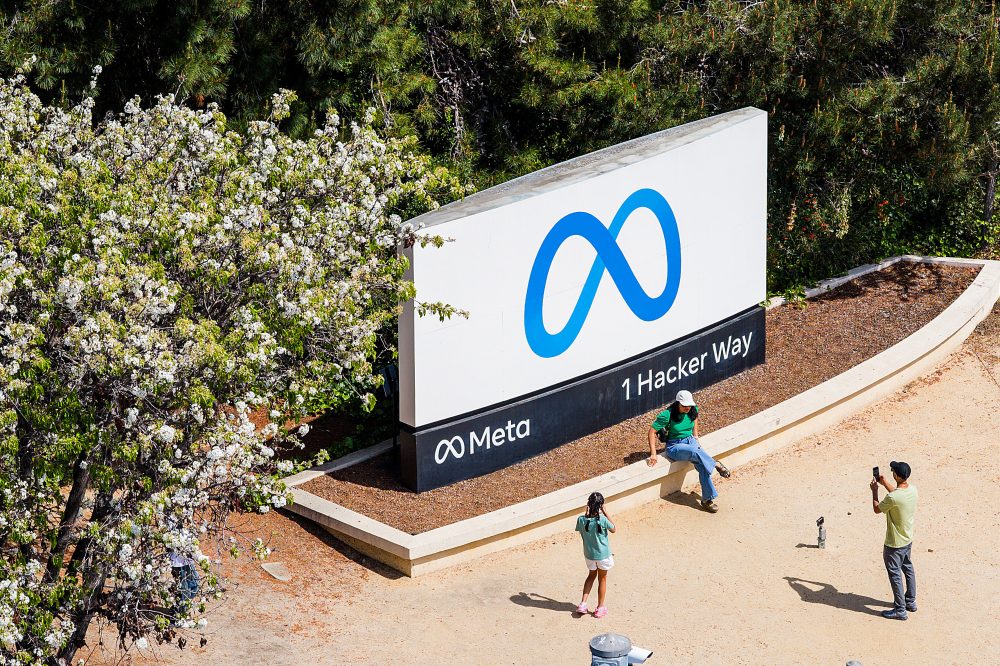

SANTA FE, N.M. — Meta is threatening to completely withdraw its social media platforms from New Mexico rather than comply with stringent child protection measures being sought by state officials in an ongoing legal battle.
The dramatic possibility has surfaced as part of legal maneuvering before next week’s bench trial addressing claims that Meta creates a public nuisance. This represents the second stage of litigation that previously led to $375 million in civil fines after a jury concluded Meta deliberately damaged children’s mental wellbeing while hiding knowledge about child sexual abuse on its networks.
State officials are requesting court-mandated modifications to youth accounts on social platforms designed to eliminate habit-forming elements, enhance age confirmation processes, and stop child exploitation through automatic privacy protections and increased monitoring.
Company leaders have stressed that Meta constantly enhances child protection measures and tackles compulsive social media behavior. The corporation claims it’s being unfairly targeted among countless applications teenagers utilize.
According to a court document made public Thursday, Meta declared it impossible to achieve a suggested mandate requiring 99% precision in confirming child users meet the minimum age of 13, along with additional stipulations.
“As a practical matter, this requirement effectively requires Meta to shut down its services — for all users in the state — or else comply with impossible obligations,” Meta stated in the document.
Such a complete withdrawal affecting New Mexico’s 2.1 million residents would eliminate personal communications on Meta’s widely-used platforms, including Facebook and WhatsApp, while also disrupting commercial advertising operations.
Through exiting New Mexico, Meta would address any worries about child harm, though this action might seem deliberately antagonistic and could trigger unexpected results, according to Eric Goldman, codirector of the High Tech Law Institute at Santa Clara University School of Law in California.
Goldman referenced how Canadian officials in 2023 criticized Facebook for prioritizing profits over public safety when the platform restricted local news during devastating wildfires and evacuations. Facebook’s action responded to new legislation requiring technology companies to compensate publishers for linking to or repurposing their online content.
A Los Angeles jury recently determined both Meta and YouTube were responsible for harming children using their services, confirming long-standing worries about social media dangers.
New Mexico’s lawsuit against Meta marks the first to proceed to trial among over 40 state attorneys general who have sued the company claiming it fuels a youth mental health emergency. Most are seeking solutions through U.S. federal courts.
“I highly doubt that they’re going to be willing and able to turn the lights off for their product all over the country,” New Mexico Attorney General Raúl Torrez stated during an online press briefing.
Torrez challenged Meta’s position that suggested modifications are unrealistic, referencing “before times” in the constantly changing social media environment when “we didn’t have infinite scroll and we didn’t have auto-play.” Torrez, a Democrat seeking reelection for a second term in November, declared he won’t be “turning a blind eye to exploited children in the state of New Mexico because people have an advertising contract.”
Outside the United States, other nations have enacted or are developing numerous restrictions on children’s internet activities, from social media prohibitions to mandating younger teenagers connect their accounts to parental oversight. New Mexico is also pursuing parent-child account connections in its Meta lawsuit, plus court-supervised child safety monitoring to track progress over time.
Goldman noted there are certain countries Facebook “doesn’t directly support in part because it’s just not worth it to provide that custom instance.”
“The cost of maintaining the separate service is greater than any value from that territory,” he explained. “And that could be the case with New Mexico as well.”