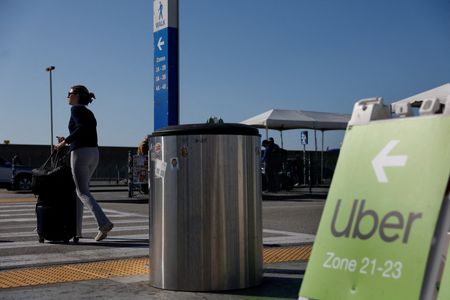

App-based transportation drivers in Massachusetts have achieved a historic milestone by establishing the nation’s first officially recognized ride-share union, according to state officials and labor organizers.
The Massachusetts Department of Labor Relations granted certification to the newly created App Drivers Union on Friday, authorizing it to represent approximately 70,000 ride-share drivers who work as independent contractors throughout the state for companies including Uber and Lyft.
At a Tuesday rally in Boston featuring drivers and labor advocates, Massachusetts Governor Maura Healey, a Democrat, declared: “It changes the game for ride-share workers across this country.”
This certification became possible after Massachusetts voters endorsed a ballot initiative in November 2024 that established an innovative legal structure enabling drivers working for app-based companies to organize and engage in collective bargaining regarding compensation and benefits.
The ballot victory concluded a prolonged national dispute over the employment classification of ride-share drivers and whether they should receive the benefits and wage safeguards typically afforded to employees rather than independent contractors.
Federal labor law under the National Labor Relations Act does not grant organizing rights to Uber and Lyft drivers since it only applies to traditional employees.
However, the Massachusetts legislation permitted drivers to establish a union after gathering signatures from a minimum of 25% of active drivers statewide—a threshold that union organizers successfully achieved. The union receives support from 32BJ SEIU, a Service Employees International Union affiliate, along with the International Association of Machinists and Aerospace Workers.
IAM President Brian Bryant addressed Tuesday’s rally, stating: “The workers who built these billion-dollar corporations deserve a union contract and a seat at the table.”
Bryant and fellow union officials highlighted Massachusetts as a significant labor achievement while organizing campaigns advance in additional states.
California ride-share drivers obtained unionization rights through legislation that Democratic Governor Gavin Newsom signed in October. Illinois is currently considering comparable legislation.
Neither Lyft nor Uber opposed the Massachusetts ballot initiative. Lyft announced Tuesday its commitment to participating constructively as the Massachusetts process continues.
“Lyft does well when drivers do well, and we’ll stay focused on helping drivers succeed while keeping rideshare affordable and dependable for everyone who counts on it,” the company stated.
Uber declined to provide comment when contacted.
Prior to the 2024 vote, Massachusetts Attorney General Andrea Joy Campbell negotiated an agreement with Uber and Lyft mandating they implement a $32.50 per hour minimum wage standard for Massachusetts drivers and pay $175 million to settle allegations they incorrectly classified drivers as independent contractors instead of employees under state regulations.