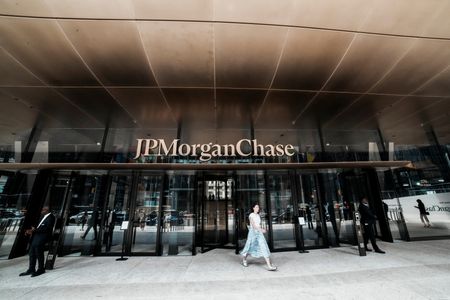

A New York state judge has thrown out a lawsuit brought by a former JPMorgan Chase banker who alleged his former colleague coerced him into sexual activity and threatened him with racial slurs — though attorneys say the case will be refiled in federal court.
Justice Dakota Ramseur issued the ruling Thursday, ordering plaintiff Chirayu Rana to cover a portion of the legal fees incurred by JPMorgan and his former colleague Lorna Hajdini as part of the dismissal agreement. The dismissal was requested by Rana himself.
Notably, the ruling does not touch Hajdini’s defamation countersuit against Rana, which continues to move forward in Manhattan state court.
Rana, who held a vice president role in leveraged finance at JPMorgan, claimed that Hajdini used her senior position to pressure him into non-consensual sexual encounters over the course of several months. His complaint alleged she used racially derogatory language to threaten him — Rana is of Asian descent — and accused her of raping and drugging him. He also claimed she told him she “owned” him and threatened to derail his career if he refused her sexual demands.
Hajdini has pushed back firmly against those accusations. She denied ever being Rana’s supervisor, denied using racial slurs, and denied threatening him in any way. She said Rana’s allegations were deliberate lies that “wreaked havoc” on her life, subjected her to constant ridicule and harassment, and were crafted to generate media attention and win millions of dollars in damages she believes he does not deserve.
JPMorgan has also gone on record calling Rana’s claims meritless.
Rana originally filed the lawsuit on April 27, naming both JPMorgan and Hajdini as defendants. He switched legal representation last month, and his new attorneys have indicated plans to expand the case when it is refiled in federal court. The updated complaint is expected to include claims of discrimination and retaliation under several federal civil rights statutes, as well as claims under the federal Family and Medical Leave Act, alongside the existing state law allegations.