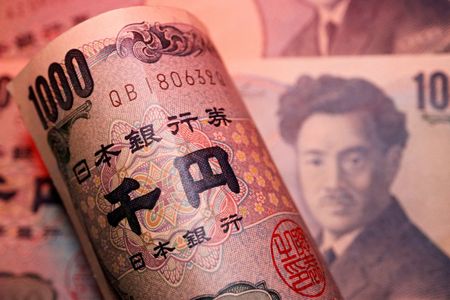

Japan’s currency experienced a dramatic surge Friday following stern warnings from Tokyo officials that they stand ready to take additional market action, just hours after the country conducted its first currency intervention in nearly two years.
The sharp rise in the yen’s value triggered widespread speculation among currency traders that Japan may be preparing another round of market intervention.
After remaining stable through the night, the dollar tumbled during London trading hours, declining as much as 0.66% to reach a session low of 155.60 from an earlier high of 157.12, fueling further intervention speculation among already anxious traders.
“Liquidity is thin and people are nervous after yesterday so there is a susceptibility to volatility in the dollar/yen,” explained Jeremy Stretch, head of G10 FX strategy at CIBC Capital Markets.
The escalated warnings from Tokyo come as Japan’s currency faces continued pressure from significant interest rate differences between the U.S. and Japan, with officials particularly concerned about potential speculative attacks during the upcoming holiday period.
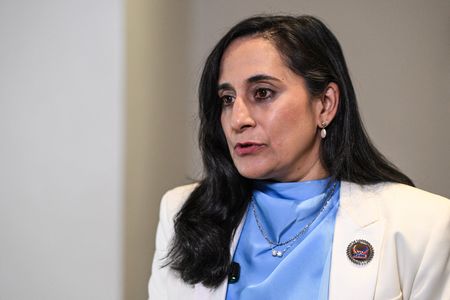
When questioned about possible market intervention, Japan’s top foreign exchange diplomat Atsushi Mimura told reporters: “I won’t comment on what we’ll do ahead. But I will tell you that Japan’s Golden Week holidays have just started.”
Mimura’s statements followed Thursday’s warning from Japanese Finance Minister Satsuki Katayama that “decisive action” was approaching. Katayama also advised reporters to keep their smartphones readily available throughout the holidays, sending a clear message about Tokyo’s willingness to act against speculators who might exploit reduced trading volume to weaken the yen further.
Following those warnings, Japan entered the market to bolster the yen, marking its first official currency intervention since nearly two years ago, according to two sources familiar with the situation who spoke to Reuters. The action sent Japan’s currency soaring by as much as 3%.
When asked directly about Thursday’s market intervention, Mimura refused to comment. Regarding whether currency movements remained speculative in nature, he stated: “There’s no change to my view on markets.”
Mimura emphasized that Japan maintains “extremely close contact” with the United States, noting that both nations agree action may be necessary based on market conditions.
“Every time we see a substantial move in the yen there will be questioning about what is driving this given the warnings we have had,” Stretch from CIBC Capital Markets observed.
Following Thursday’s intervention that pushed the yen to 155.5 per dollar, the currency gave back some gains and traded at 156.99, still stronger than the 160 level that Japanese authorities reportedly view as their intervention threshold.
Market anxiety was evident in options trading, where the cost of hedging against major yen fluctuations over the next week approached its highest level in a month, according to LSEG data.
Prior to this latest action, Japan’s most recent currency market intervention occurred in July 2024, when officials purchased yen after it reached a 38-year low of 161.96 against the dollar.
Data from U.S. market regulators shows speculators currently hold their largest bearish yen position since July 2024, valued at approximately $7.5 billion.
Japanese financial markets will remain closed Monday through Wednesday for Golden Week celebrations, which analysts warn could trigger significant yen volatility due to reduced trading activity.
The Bank of Japan’s gradual approach to interest rate increases has contributed to yen weakness. Even the central bank’s more aggressive signals on Tuesday failed to provide sustained support, as the dollar strengthened on expectations that rising inflation will prevent the U.S. Federal Reserve from reducing rates.
“The yen will remain under downward pressure on inflation concerns from high oil prices, slow BOJ rate hikes and the hawkish tone of other central banks,” said Rinto Maruyama, FX and rates strategist at SMBC Nikko Securities.
Mimura has previously indicated Japan might intervene in crude oil futures markets due to concerns that oil market volatility could impact yen movements.
“We have conditions in place and are always ready to take action,” Mimura told reporters when asked about volatile crude oil futures trading.