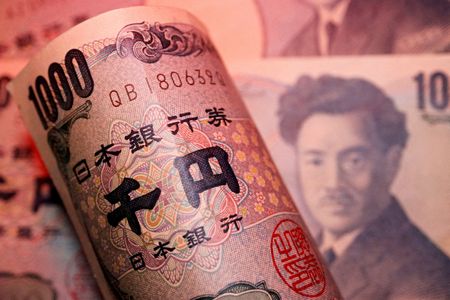

The Japanese yen slipped further on Tuesday as currency traders, seeing no action from Japanese officials to prop up the currency, pushed it even lower — though the lingering possibility of a surprise move by Tokyo kept the losses from spiraling out of control.
During early Asian trading, the yen was struggling on the weaker side of 162 against the U.S. dollar. Against the British pound, the yen sat near its lowest point since 2007, trading at 217.09. The euro, meanwhile, was buying 185.47 yen after climbing about half a percent in the prior session.
Lee Hardman, a senior currency analyst at MUFG, explained the situation: “There had been speculation at the end of last week that Japan could intervene again to support the yen during the U.S. holiday when trading conditions were less liquid, but no action has been taken, contributing to the yen giving back some of its recent gains.”
Late last week, the yen had found some footing as traders grew cautious about a possible change in Japan’s approach to currency intervention. However, analysts noted that a sharp jump in the yen on Thursday was not believed to be the result of official government action.
On the broader currency stage, the U.S. dollar was on uncertain ground. Investors have been pulling back their expectations for American interest rate increases this year after a jobs report came in well short of forecasts. The euro inched up to $1.1442, building on overnight gains, while the British pound climbed to a more than two-week high of $1.34005. Measured against a basket of global currencies, the dollar stood at 100.86.
Markets are currently pricing in approximately 29 basis points of Federal Reserve rate increases by December — down from around 38 basis points just one week ago.
Carol Kong, a currency strategist at Commonwealth Bank of Australia, offered her take: “I think current market pricing is probably a little bit underpriced… we still think that the FOMC will have to start tightening from December… markets are thinking that the rate-hiking cycle will start a little bit sooner than we expect, but the extent of the (hikes) is still below our expectations.”
Attention is now turning to the release of minutes from the Federal Open Market Committee’s June meeting on Wednesday, which investors hope will shed light on where interest rates are headed.
Kong added a note of caution about how revealing those minutes might be: “We know that (Chair Kevin) Warsh doesn’t like providing forward guidance, so I think the minutes tomorrow will probably be less informative than previous minutes.”
Elsewhere in currency markets, the Australian dollar held steady at $0.6955, while the New Zealand dollar edged up 0.02% to $0.5702.