
Israel’s Health Ministry is moving to eliminate smoking medical cannabis within the next three years, even as the nation faces unprecedented levels of post-traumatic stress disorder and record numbers of licensed cannabis users.
A special ministry committee delivered its recommendations on Sunday to phase out smoked cannabis forms, citing emerging research that questions whether the treatment helps or harms PTSD patients. The proposal comes as approximately 140,000 Israelis currently possess medical cannabis permits, a dramatic increase from 33,000 just a few years earlier.
The timing coincides with alarming statistics showing roughly one-third of Israel’s population – about three million people – are experiencing PTSD symptoms, according to separate reports from the State Comptroller and independent researchers.
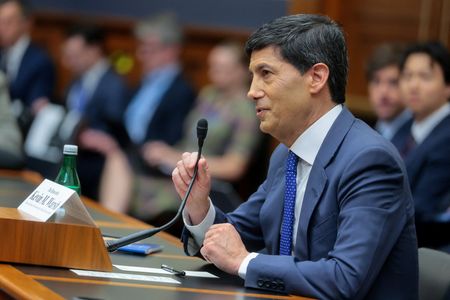
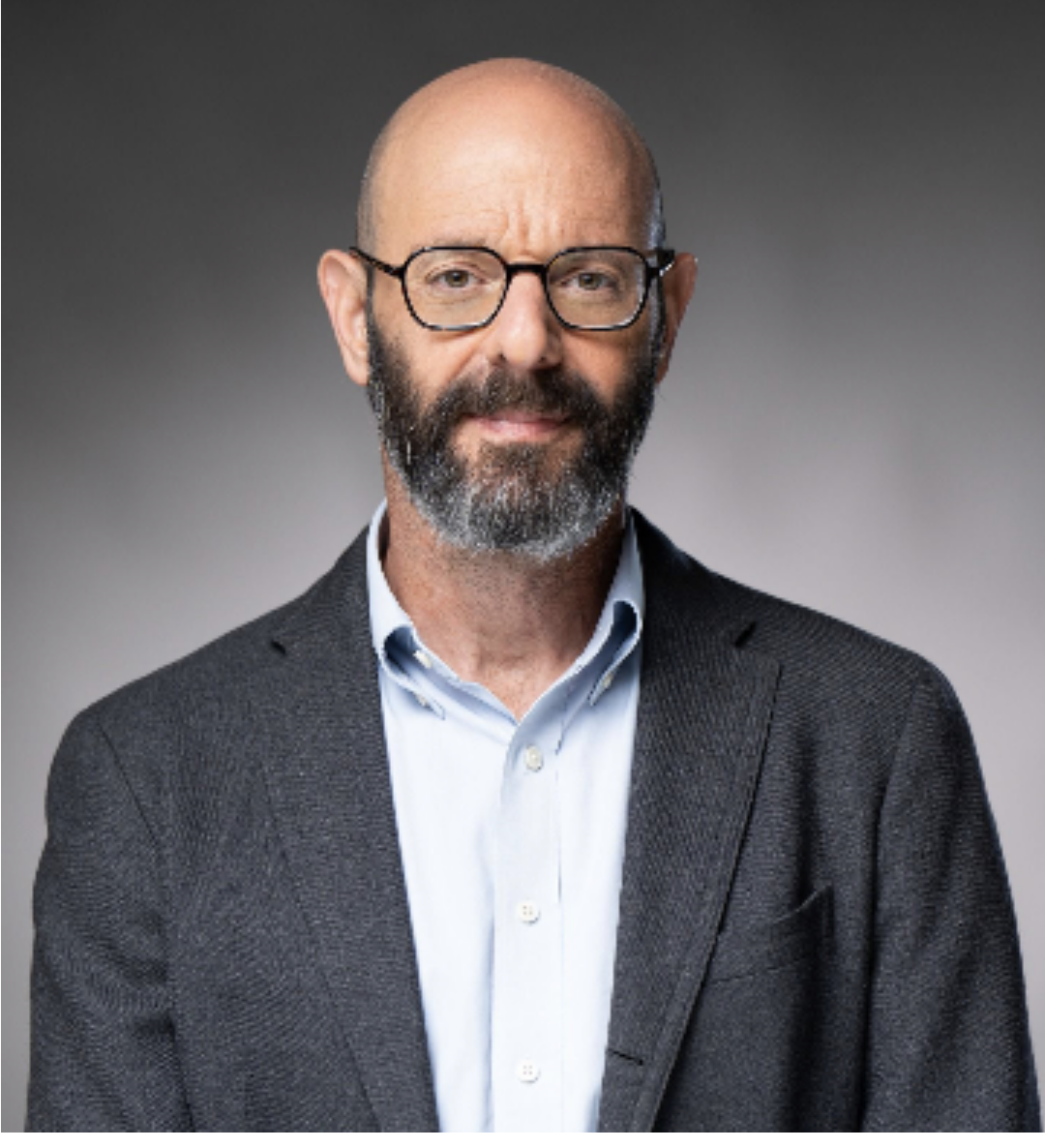
Dr. Shaul Lev-Ran, who co-founded and serves as academic director of the Israel Center on Addiction, emphasized that the recommendations focus on medical standards rather than personal freedoms. He stressed the need to evaluate cannabis like any other medical treatment, examining who prescribes it, which conditions warrant its use, and how to properly assess risks versus benefits.
“The medical cannabis industry in Israel has become a much larger operation than originally intended,” Lev-Ran explained. He noted this marks the first time the Health Ministry is implementing better screening tools to identify patients at risk for cannabis addiction or adverse effects.
Current data reveals that 98% of licensed purchases involve smoked cannabis, while 88% of permits are for high-THC products with greater addiction potential. Smoking inherently increases risks for heart and lung disease, according to Lev-Ran.
“Early signs of problematic use kind of define what the red flags are and establish criteria for either tapering or discontinuing your treatment,” Lev-Ran stated.
He referenced a recent JAMA Psychiatry study demonstrating that medical cannabis failed to improve PTSD and actually worsened long-term patient outcomes. The medical system must weigh immediate relief against future consequences, he argued.
“We definitely want to be compassionate, but I think what the report is trying to do is balance compassion and concern,” he said. “So, compassion for the short-term effects and to alleviate them, but concern that people may get stuck with medical cannabis, and they may actually be worse off in the long term.”
Cannabis users are responding negatively to the committee’s findings. M., a 50-year-old Tel Aviv area resident who requested anonymity, said he felt “jolted to hear of the recommendation by the committee.”
He criticized the ministry for not warning current patients through their psychiatrists before releasing the report, noting that sudden anxiety often triggers PTSD symptoms.
“Many of us who have PTSD have been smoking cannabis to assist us for many years,” M. explained. “It’s something we’ve been used to relying on.”
M. said alternative forms like oils and capsules proved less effective for his condition. He questioned why officials would issue such recommendations when PTSD cases are climbing and adequate treatment options remain limited.
However, Lev-Ran pointed out that the United States Veterans Association already advises against prescribing medical cannabis to veterans with PTSD due to harmful long-term effects.
The most comprehensive medicinal cannabis review, published in The Lancet this year, concluded that cannabis fails to effectively treat anxiety, depression, or PTSD despite user claims. The analysis examined 54 randomized controlled trials spanning 45 years from 1980 to 2025, finding increased risks for psychosis and addiction while potentially delaying proven treatments.
A 2025 Centers for Disease Control report found 19% of Americans – approximately 52.5 million people – used illegal cannabis at least once in 2021. Medical cannabis remains legal in 47 states, three territories, and Washington D.C. Research from 2021 indicated around three million Americans were using cannabis medicinally.
Those numbers have likely grown significantly. Recent data shows about 27% of Americans and Canadians aged 16-65 report medical cannabis use, with half citing mental health management. The American Medical Association has expressed similar concerns to Israel’s Health Ministry regarding limited regulation and uncertain effectiveness.
Under the committee’s plan, medical cannabis prescribing will transfer to Israel’s four health funds within one year. These organizations will collaborate with research groups to monitor and evaluate cannabis treatment outcomes.
The recommendations also call for promoting new technologies, potentially including Israel’s SyqeAir inhaler system. The company markets its device as “the most innovative and safest route of administration of medical cannabis” compared to smoking, vaping, or oils. It represents the world’s first metered-dose cannabis inhaler, designed for consistent treatment while reducing overdose risks and side effects.
While the report doesn’t specifically mention SyqeAir, it states that new treatments will begin with extracts and precision inhalers, gradually replacing smoked forms with alternative delivery methods.
“I think when you look at cannabis, a lot of countries are realizing the limitations of medical cannabis, realizing the burden that it poses on the medical system,” Lev-Ran added. He noted that medical systems rely on research and precise dosing, both difficult to achieve with smoked cannabis.
Lev-Ran compared cannabis to other alternative treatments like forest therapy, where studies suggest benefits “and it’s really hard to think about severe risks. So the risk-benefit ratio leans a lot towards the benefits.”
He contrasted this with treatments like psychedelic-assisted therapy or ketamine, where patients don’t receive take-home prescriptions.
“Let’s say I’m receiving ketamine in a ketamine clinic,” Lev-Ran explained. “I’m not getting doses to take home, so that, for example, substantially reduces the risk of addiction.”
He noted that MDMA treatment for trauma in Israel involves structured protocols with three sessions and 16 therapy meetings, rather than simply providing medication without supervision.
Despite current recommendations, Lev-Ran expressed confidence that the Health Ministry would reconsider its position if future research supports cannabis use, including smoking forms.