
VIENNA (AP) — Iran’s representative to the International Atomic Energy Agency made accusations Monday that American and Israeli military strikes hit the country’s Natanz uranium enrichment complex.
However, this claim conflicts with statements from UN nuclear oversight director Rafael Grossi, who indicated the agency has found “no indication” that atomic facilities in Iran have been struck “up to now.”
“Again they attacked Iran’s peaceful safeguarded nuclear facilities yesterday. Their justification that Iran wants to develop nuclear weapons is simply a big lie,” Iranian Ambassador Reza Najafi stated to media at IAEA offices in Vienna during a special Board of Governors meeting requested by Russia.
When a journalist asked which atomic facility he meant, Najafi responded “Natanz.”
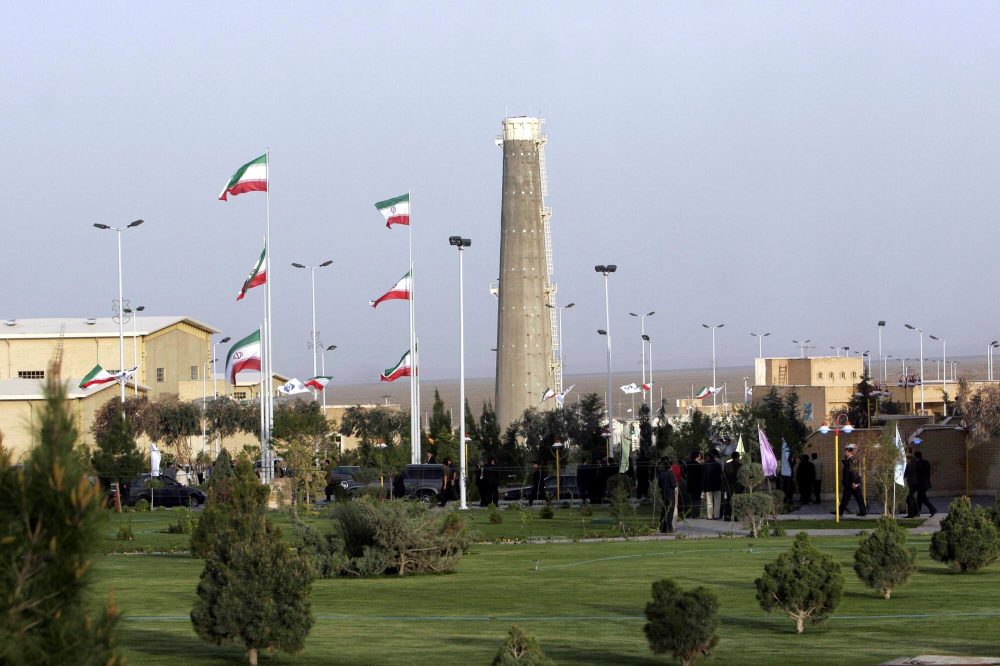
Located approximately 220 kilometers (135 miles) south of Tehran, the Natanz complex combines surface and underground laboratories that handled most of Iran’s uranium processing operations.
Prior to current hostilities, IAEA reports showed Iran operated sophisticated centrifuges at the site to process uranium to 60% purity — just one technical step away from the 90% weapons-grade threshold. Officials believe some of this material remained at the facility when the entire compound was struck last June.
The primary surface enrichment structure at Natanz was called the Pilot Fuel Enrichment Plant. Israeli forces struck this building on June 13, rendering it “functionally destroyed” and causing significant damage to subterranean chambers containing centrifuge arrays, according to IAEA Director-General Rafael Grossi’s assessment at that time. A subsequent U.S. operation on June 22 targeted Natanz’s underground sections with penetrating explosives, potentially destroying remaining equipment.
Speaking to the special Board of Governors session, IAEA Director Rafael Mariano Grossi stated the International Atomic Energy Agency currently has “no indication that any of the nuclear installations, including the Bushehr Nuclear Power Plant, the Tehran Research Reactor or other nuclear fuel cycle facilities” in Iran have sustained damage or been targeted.
Grossi noted the IAEA continues attempting to reach Iranian nuclear regulatory officials through the agency’s Incident and Emergency Center “with no response so far,” citing communication difficulties due to the ongoing conflict.
The IAEA chief called for military restraint, cautioning that Iran and numerous other regional nations facing military action operate “operational nuclear power plants and nuclear research reactors, as well as associated fuel storage sites, increasing the threat to nuclear safety.”
He reported that thus far “no elevation of radiation levels above the usual background levels has been detected in countries bordering Iran.”
Najafi further accused the United States of using “deception and disinformation to invade other countries.” He claimed the conflict was initiated by U.S. President Donald Trump, “who attempts to portray himself as a man of peace and asking for Nobel Peace Prize. Even when they talk about peace, it is a lie. And if they call for diplomacy, it’s about deception,” he stated.
The Iranian ambassador characterized the strikes on his nation as “unlawful, criminal and brutal” and urged the 35-member IAEA Board of Governors to “categorically condemn” the military actions.