
TEHRAN, Iran (AP) — Citizens across Iran expressed mixed feelings of frustration and determination on Sunday following the breakdown of diplomatic negotiations between their country and the United States after an extended bargaining session.
American representatives stated the discussions fell apart due to what they characterized as Iran’s unwillingness to pledge abandonment of its nuclear activities. Tehran’s officials pointed fingers at Washington for the diplomatic breakdown, though they did not detail specific obstacles.
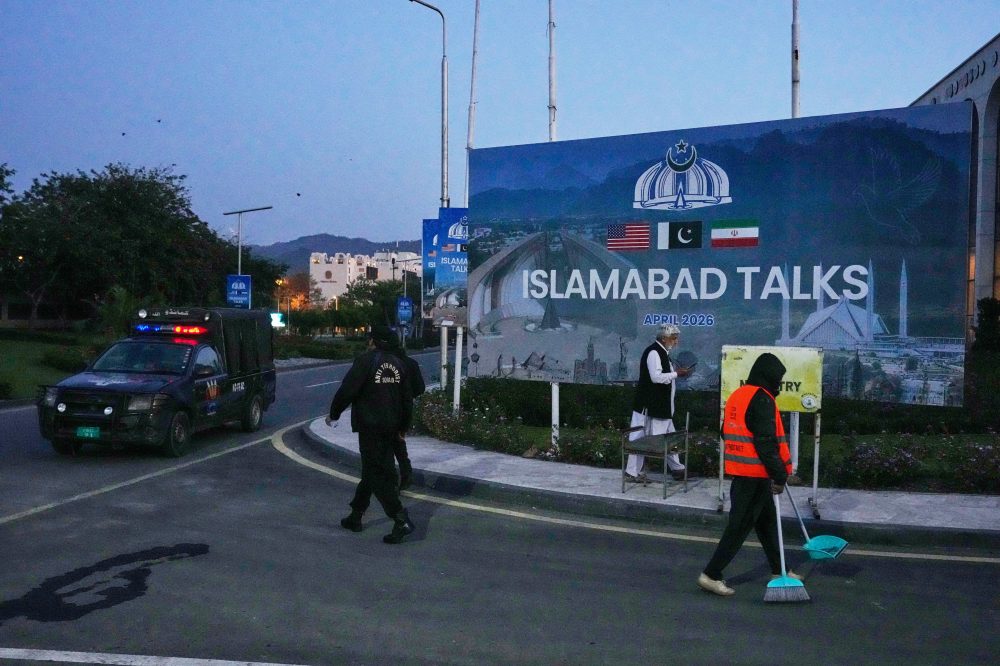
The collapse of these crucial discussions in Pakistan after 21 hours raises questions about a temporary ceasefire agreement scheduled to end on April 22.
Speaking near a newspaper vendor in Tehran, Farhad Simia shared with The Associated Press his hopes for productive discussions and conflict resolution, while expressing continued support for Iran despite the negotiation breakdown.
“I oppose armed conflict. I believe diplomatic solutions offer a superior approach,” stated Simia, 43. He attributed the negotiation failure to “unreasonable demands” from the United States.
Mehdi Hosseini, also 43, shared similar views: “Given Iran’s apparent military advantages, there was genuine worry we might surrender those battlefield successes during negotiations.
“The outcome of these discussions matters less than the fact that Iran’s diplomatic representatives managed to maintain our wartime achievements while refusing to retreat or capitulate, which provides grounds for optimism.”
Throughout Tehran’s streets, large national banners and massive displays celebrating the nation’s leadership and military successes were visible. One prominent artwork showed Iranian servicemen pulling a fishing net from ocean waters filled with miniature American military planes and naval vessels. “The Strait Remains Closed,” declared the display.
Hamid Haghi, 55, attributed the negotiation failure to “America’s excessive demands.” The United States seeks “access to the Strait of Hormuz, which represents our ancestral inheritance,” he explained. “We can manage it independently.”
Similar to many fellow citizens, 60-year-old Mohammad Bagher believes Iran should maintain its resistance against the United States in what he views as an American-initiated conflict.
“We represent a people committed to discussion and diplomacy provided our national interests receive respect. We have never pursued warfare,” he stated. “We will maintain our position until the end, we are prepared to give our lives, and will not surrender any portion of our territory.”
Following the February 28 launch of military operations by the United States and Israel, casualties have reached at least 3,000 in Iran, 2,020 in Lebanon, 23 in Israel, and over a dozen across Gulf Arab nations, while causing significant infrastructure damage throughout multiple Middle Eastern countries.
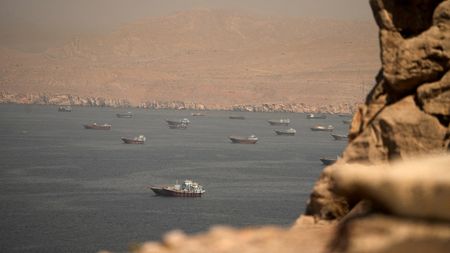
Iran’s control over the Strait of Hormuz has effectively blocked Persian Gulf oil and gas shipments from reaching global markets, causing energy costs to spike dramatically.