
A leading Republican member of Congress is cautioning Treasury Secretary Scott Bessent against permitting expanded Chinese business investment in the United States, arguing it could damage President Trump’s manufacturing revival initiatives.
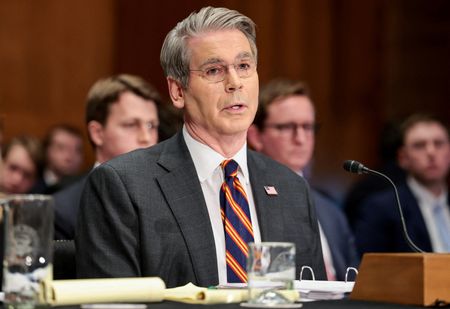
Representative John Moolenaar, who leads the House select committee focused on China policy, sent correspondence to Bessent expressing concerns about Chinese companies that receive government backing, enabling them to sustain losses while pushing out American competitors.
According to the March 4th correspondence reviewed by news outlets, Moolenaar warned that welcoming increased Chinese investment would help China’s struggling economy while weakening the administration’s national security protections and domestic industrial rebuilding efforts.
“Beijing seeks to subsidize its broken economic model on the back of the American taxpayer and capitalize on the ill-gotten gains of its mass intellectual property theft by exporting its state-subsidized industrial overcapacity to our shores,” Moolenaar said.
The congressman’s letter arrives before Trump’s anticipated meeting with Chinese President Xi Jinping, scheduled for March 31 through April 2. Administration officials hope the leaders can reach agreement on extending the current tariff cease-fire despite continuing industrial and technology competition.
Chinese direct investment in America has dropped significantly in recent years as government officials discuss the importance of “de-risking” the nation’s economy, though some reports suggest both countries are exploring ways to restart mutual investment opportunities.
Trump has prioritized American manufacturing revival through his economic policies, including tariff strategies, and has worked to secure investment pledges from allies in critical sectors like computer chip production and shipbuilding.
In February 2025, the president issued an executive directive highlighting concerns about Chinese investment that could target America’s most valuable technological assets.
The U.S. Trade Representative’s office stated this week in policy documents that it would pursue “constructive foreign investment” that strengthens America’s industrial foundation without compromising national security.
While not directly mentioning China, the USTR’s 2026 Trade Policy Agenda committed to utilizing the Committee on Foreign Investment in the United States to protect against security risks and encourage “productive, market-based investment.”
Moolenaar specifically cautioned against expanded access for Chinese companies in automotive and lithium-ion battery sectors. The Michigan representative has previously examined Ford’s collaboration with Chinese battery manufacturer CATL, which Pentagon officials say has connections to China’s military.
Treasury Secretary Bessent and Chinese Vice Premier He Lifeng, China’s chief trade representative, are scheduled to meet in mid-March to prepare for the presidential summit.
Neither China’s Washington embassy nor the Treasury Department immediately responded to requests for comment regarding potential discussions about increasing reciprocal investment between the nations.