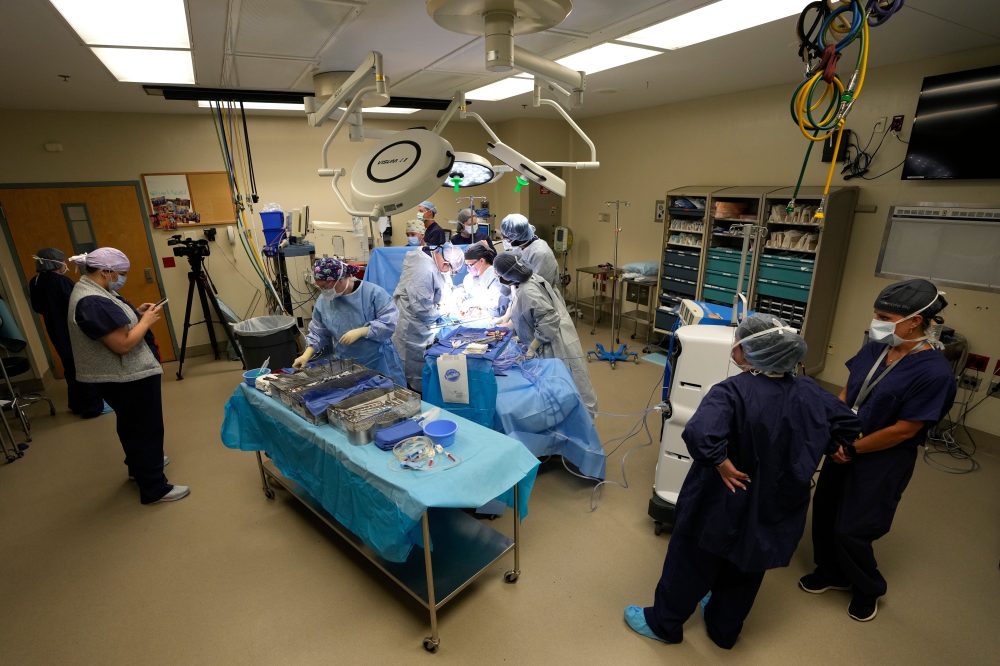

A significant transformation in organ donation practices is reshaping how lifesaving transplants happen across the United States, according to new research published Thursday.
Medical professionals are seeing a dramatic rise in organ donations from patients whose hearts have stopped beating, rather than from those declared brain dead – a change that has fundamentally altered the transplant landscape in just over two decades.
Known as donation after circulatory death (DCD), this approach represented nearly half of all deceased organ donors nationwide in 2023, a remarkable increase from just 2% in 2000, researchers from NYU Langone Health discovered.
Advanced medical technology has enabled doctors to overcome previous obstacles in preserving organs as the heart ceases function, driving this surge during a time when the nation desperately seeks solutions to address organ shortages. Currently, more than 100,000 Americans remain on transplant waiting lists, with thousands dying while waiting for organs. Last year saw approximately 49,000 transplant procedures completed.
However, the NYU study revealed significant regional disparities in circulatory death donations, indicating that improved education for hospitals and communities could potentially expand access to these critical procedures even further.
The research, featured in JAMA medical journal, emerges amid concerning incidents where potential donors displayed signs of life, creating uncertainty about transplant protocols.
Federal authorities and certified organ procurement organizations are now developing enhanced safety measures, with these new research findings potentially influencing future policy decisions.
“Donation after circulatory death is complex and we need to make sure we are doing it well,” explained Dr. Babak Orandi, a transplant surgeon at NYU and study co-author. “If we stop doing it or severely restrict it, there would be pretty significant repercussions for patients.”
Traditional organ donation typically involves brain death declarations, where medical testing confirms complete loss of brain activity. In these cases, patients remain on ventilators to preserve organs until surgical removal.
Circulatory death donation becomes possible when patients suffer injuries incompatible with survival but retain some brain function, and families decide to discontinue life support. Death occurs as the heart gradually ceases beating. Medical guidelines require a mandatory five-minute waiting period after heart stoppage to ensure it won’t resume before doctors can declare death.
Legal requirements strictly prohibit donation and transplant teams from participating in life support decisions, and they cannot be present when support is withdrawn. Organ recovery only begins after official death declaration. If death doesn’t occur within approximately two hours, organs become unusable and recovery attempts are abandoned.
The NYU research team examined information from the national Organ Procurement and Transplantation Network and 55 regional organ procurement organizations.
In 2023, circulatory death donations comprised more than half of all donors at 24 organ procurement agencies, though this varied dramatically across regions, with some organizations reporting as low as 11%.
Hospital capabilities influence these numbers significantly, according to the Association for Organ Procurement Organizations. While life support withdrawal decisions are routine, smaller or rural medical facilities may lack familiarity with the additional procedures required for donation.
Technology adoption also plays a crucial role. Organ quality can deteriorate as hearts stop, temporarily cutting off oxygen supply. Following death declaration, a technique called normothermic regional perfusion enables surgeons to briefly restore blood circulation to chest and abdominal organs – while avoiding the brain – during the delicate removal process.
This innovation has expanded the use of organs from older, more medically complex donors after cardiac death, though temporarily restoring circulation after death has sparked ethical debates.
The Health Resources and Services Administration is developing new national policies to strengthen safeguards for this donation type. One proposed change would allow anyone involved with potential donors who questions whether conditions are appropriate for life support withdrawal to request a pause in preparations.
Additional proposals would mandate that organ procurement organizations document proper neurological examinations by hospitals caring for potential donors and provide comprehensive education to families about required procedures.
The Association of Organ Procurement Organizations has established similar guidelines, with some organizations already implementing hospital checklists.
The association also recommends conducting life support withdrawal in intensive care units rather than operating rooms to reduce public confusion about death timing and when organ teams become involved, stated association president Jeff Trageser.
“Donation after circulatory death requires a lot of buy-in from the community, including the local hospitals, to make this happen,” Orandi noted. “A couple of cases out of many, many cases has led to a loss of trust.”