
Global financial markets are experiencing a sobering moment as initial optimism about Middle East peace negotiations gives way to harsh realities on the ground.
Following yesterday’s market rally based on diplomatic hopes, Asian equities and Wall Street futures have declined, though they’re maintaining most of their previous gains. The dollar remains steady while Treasury bonds failed to keep pace with European bond market improvements.
Federal Reserve officials continue signaling patience regarding interest rate cuts, with some even discussing potential rate increases, which has dampened bond market enthusiasm.
The weekend diplomatic talks between Iran and the United States face significant obstacles. Tehran is questioning the value of Saturday’s scheduled negotiations while Israel continues military operations in Lebanon. The negotiating positions remain far apart, with the two sides’ 10-point and 15-point proposals sharing virtually no common ground. Reports indicate that Tehran’s proposal differs significantly between its English translation and original Farsi version.
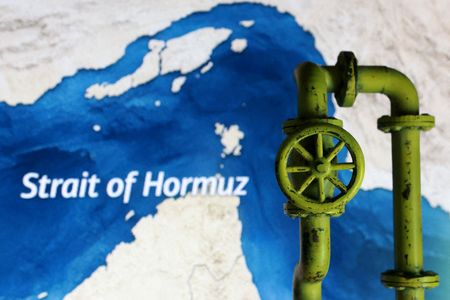
A critical issue undermining market confidence involves the Strait of Hormuz shipping situation. Contrary to some U.S. officials’ claims about normal operations, the vital waterway remains severely restricted. Ship tracking data reveals vessels still backed up on both sides of the strait, with minimal traffic flowing through Iran’s controlled checkpoint at the northern entrance.
The shipping disruption represents a massive decline from pre-conflict levels. Daily vessel transits have plummeted from approximately 138 ships to fewer than 10. Iran’s Revolutionary Guards are leveraging their newfound control over the waterway, requiring tanker inspections and approval along with fees of $1 per barrel or $2 million for very large crude carriers.
These payments must be made in yuan or cryptocurrency, creating complications for those concerned about challenges to dollar dominance in oil markets. Ship owners face a difficult situation, as paying these fees would violate multiple international sanctions regimes even if they were willing to comply.
The situation raises broader concerns about maritime freedom, a cornerstone of international trade. If Iran succeeds in charging transit fees through Hormuz, it could set a precedent for other nations to impose similar charges on strategic waterways like the Taiwan Strait, Bab el-Mandeb, Cape of Good Hope, or Cape Horn, potentially fragmenting global supply chains further.
Thursday’s economic calendar includes several key data releases that could influence market direction, including U.S. personal spending, income and core inflation data for February, weekly unemployment claims, and the final fourth-quarter GDP revision. Germany will release February industrial output figures, while IMF Managing Director Kristalina Georgieva will deliver opening remarks ahead of the spring IMF and World Bank meetings.