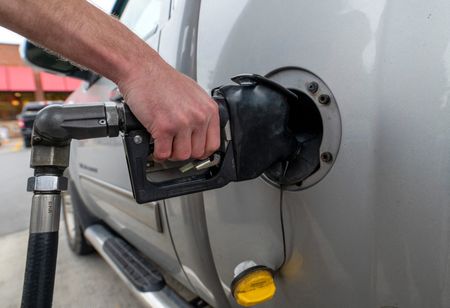

Delaware motorists should prepare for higher prices at the pump as escalating tensions with Iran threaten to push gas costs above $3 per gallon for the first time in over three months, energy experts predict.
The anticipated price jump comes as ongoing conflict between the United States and Iran, a major oil-producing nation, creates disruptions in worldwide petroleum supply chains, according to industry analysts.
This development poses significant political challenges for President Donald Trump and the Republican Party as they approach the November midterm elections, with inflation continuing to weigh heavily on voters’ minds. Trump has frequently taken credit for reduced fuel costs since his return to the presidency last year, though these claims are often inaccurate.
Patrick De Haan, who tracks retail fuel costs for GasBuddy, forecasts that nationwide pump prices may exceed $3 per gallon on Monday, marking the first occurrence this year. The last time prices crossed this threshold was in November 2025, with costs dropping as low as $2.85 per gallon in February.
“Oil will move first. Gasoline will follow — but gradually,” De Haan stated in a blog post following the military strikes against Iran.
Iran ranks among the globe’s leading petroleum suppliers, and Tehran has announced the closure of navigation through the Strait of Hormuz after U.S. and Israeli airstrikes resulted in the death of Supreme Leader Ali Khamenei.
The Hormuz waterway serves as a vital passage in the Middle East Gulf, with approximately one-fifth of global oil shipments passing through by tanker. At least three vessels have sustained damage in the area, prompting major shipping companies to announce they will bypass the strait.
International oil benchmark Brent crude surged 10% to roughly $80 per barrel in over-the-counter trading Sunday due to the intensifying situation, with some market observers projecting Brent could reach $100 as the Middle East enters a fresh period of warfare.
Bob McNally, who heads the Rapidan Energy Group consulting firm, believes the White House appears prepared to accept the political consequences of elevated oil prices while pursuing its foreign policy goals.
“Their eyes are wide open to the risk, and I expect they will focus on shortening the amount of time Iran has to control the flow of energy through the Strait of Hormuz,” McNally explained.
McNally suggested the White House might also indicate readiness to tap the U.S. Strategic Petroleum Reserve to prevent excessive price increases.
Former President Joe Biden had authorized a record SPR release in 2022 to combat soaring prices following Russia’s Ukraine invasion, a decision that Trump and fellow Republicans have strongly condemned.
The White House has not yet responded to requests for comment.
Even before the Iranian conflict, gasoline prices across America were already climbing as refineries recently began producing more expensive summer-grade fuel, which environmental regulations require to reduce air pollution during warmer months, De Haan noted.
Additionally, gasoline consumption typically reaches its highest levels in the United States during summer vacation periods.
Tom Kloza, senior adviser for fuel supplier Gulf, said the industry was already positioned for increases to $3.10-$3.25 per gallon under peaceful conditions in the Persian Gulf region.
“We’ll now get there very quickly and the action of the last 48 hours puts higher numbers in play,” Kloza stated.
He explained that a $5 increase per barrel of crude oil typically translates to about 12 cents more per gallon for gasoline and diesel, though some suppliers have already raised wholesale prices by as much as 25 cents per gallon.
The current price surge reverses months of decreases since mid-last year, which were primarily caused by high inventory levels and weak demand growth. These substantial stockpiles might help cushion global market disruptions and moderate current price spikes.
Government data shows U.S. gasoline inventories reached 254.8 million barrels as of February 20, approaching the highest levels seen since the coronavirus pandemic. These reserves represent a 30-day supply.
“I expect a lot of (price) volatility tonight, but markets will likely start to settle down a bit after the first furious hour,” De Haan predicted.