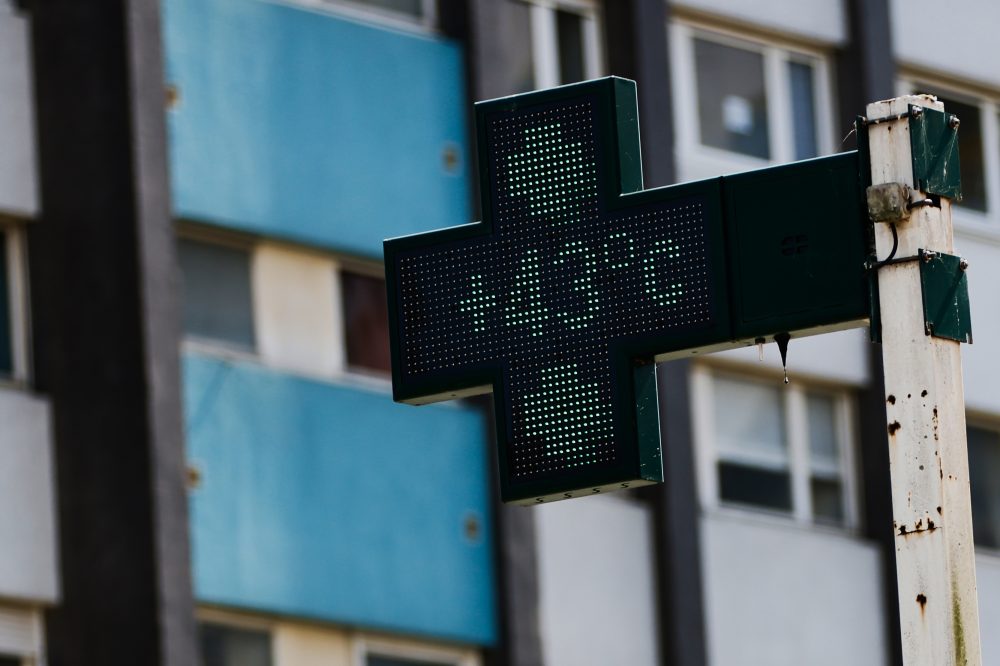

PARIS (AP) — Millions of French residents are waking up exhausted after sweltering overnight temperatures, as most of the country faces extreme and exceptional heat conditions.
France’s national weather service, Meteo France, has issued red heat wave alerts for 54 departments, warning that dangerously high temperatures will persist around the clock.
The country lacks widespread air conditioning, and the effects are widespread — schools have been disrupted, train service has been impacted, and sporting events have been affected. Authorities have also reported roughly 20 drowning deaths since the weekend.
Meteo France described the situation bluntly: “Sunshine continues to dominate across France, maintaining oppressive and exhausting heat throughout the country.” The agency expects extreme conditions to continue at least through the end of the week, with afternoon highs topping 40 degrees Celsius — that’s 104 degrees Fahrenheit — in many locations.
The weather service also warned that more records could fall. “Further record-breaking temperatures are expected, including some that could surpass all previous records, regardless of the time of year,” Meteo France said.
The current heat wave is notable for arriving so early in the summer season, though forecasters describe its duration as “still uncertain.” Comparisons are already being drawn to the devastating August 2003 heat wave, when extreme temperatures — the highest in more than 50 years — led to an estimated 15,000 deaths, many of them elderly individuals living in apartments and care facilities without air conditioning. France created its heat watch warning system in the aftermath of that tragedy.
Scientists point to human-caused climate change as a driving factor behind increasingly severe heat events. The United Nations climate agency projects that the next five years will see even more heat records broken worldwide.
Europe is warming faster than any other continent, with temperatures rising at twice the global average rate since the 1980s, according to the European Union’s Copernicus Climate Change Service. That same agency found that 2024 was the hottest year ever recorded in Europe and globally, and the continent experienced its second-highest number of “heat stress” days on record.
The World Health Organization’s Europe office reported this month that more than 200,000 people across Europe died from heat-related causes over the past four years — and that most of those deaths could have been prevented. Extreme heat can lead to heat exhaustion and potentially fatal heat stroke.
Climate researchers warn that rising temperatures are making heat waves and drought conditions more frequent and more severe, particularly in southeastern Europe, increasing the risk of both health emergencies and wildfires.