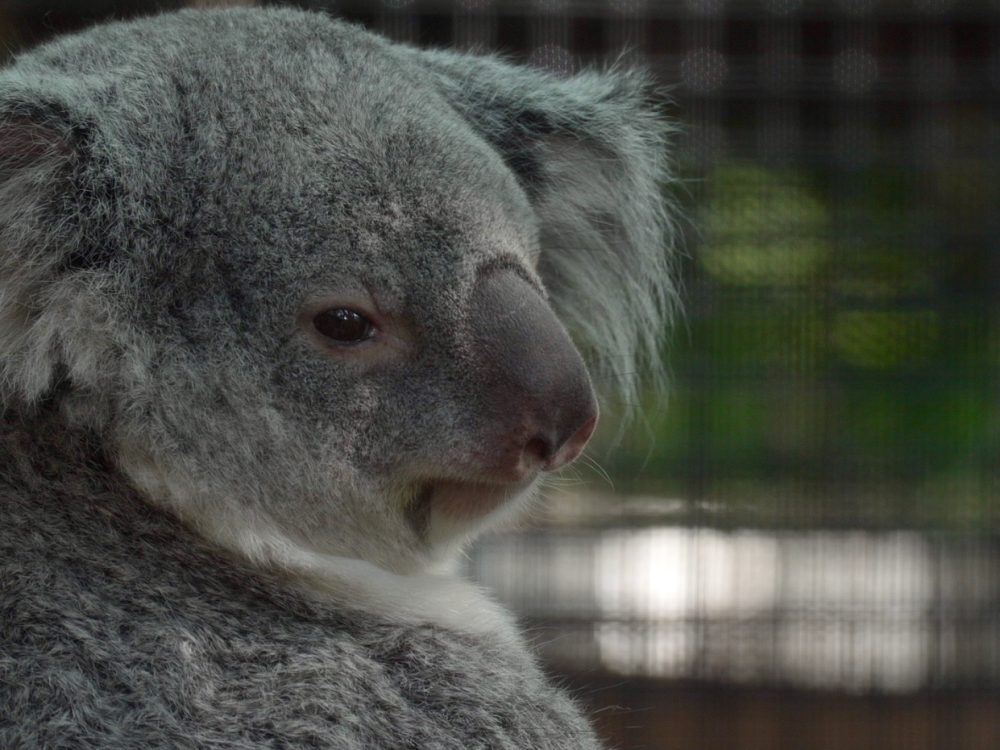

WEST PALM BEACH, Fla. — The Palm Beach Zoo & Conservation Society is marking a double celebration this weekend as they welcome visitors to see their brand-new Australian outback exhibit while announcing the arrival of their first koala baby.
The tiny joey, offspring of koalas Ellin and Sydney, was born during the fall months and has been tucked away in its mother’s pouch until recently becoming visible to zoo staff. Amarylis Celestina, who manages the zoo’s carnivore and koala programs, emphasized the significance of this birth.
“For the zoo and for us here, it’s the very big deal,” Celestina explained. “We are trying the best that we can to help with a lot of the genetic diversity within the population that we have here in the United States. So that’s why it’s important that we do have a joey and that we were successful this year.”
Zoo staff are carefully tracking Ellin’s weight and supplying additional nutrition to support her as she nurses her young one.
The koala family is now enjoying their upgraded living space, which features enhanced vegetation, fresh climbing structures for exercise, and solar lighting systems that bring natural illumination indoors. These improvements recreate elements of Australia’s wilderness environment for the endangered marsupials, who can now move freely between their temperature-controlled indoor space and an enlarged outdoor area.
Zoo CEO and president Margo McKnight highlighted the habitat’s importance in a statement, saying: “This new habitat is a milestone for our koalas. The deliberate design supports the voluntary, cooperative care our zoologists and koalas have developed together.”
The koalas living at American zoos are provided through agreements with Australia’s federal government as part of conservation efforts.
Known for their tranquil temperament and relaxed way of life, koalas prefer climbing and moving between tree branches in their environment. Zoo administrators explain that the habitat improvements are specifically intended to encourage these instinctive behaviors in the animals.