
A top Federal Reserve official warned Wednesday that interest rates could go up if inflation doesn’t start moving in the right direction.
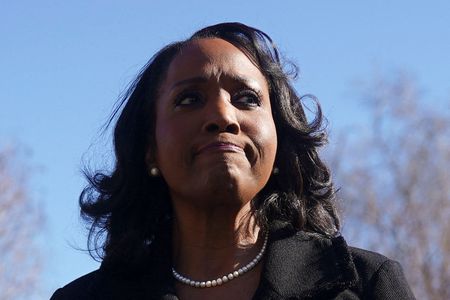
Federal Reserve Governor Lisa Cook told an economic policy conference at Stanford that while she currently supports maintaining steady interest rates, several factors are pushing prices higher and forcing the central bank to consider tougher action.
“I see elevated risks to both sides of our mandate, and from a risk-management perspective, I currently believe that the right course of action is to hold rates steady,” Cook stated during her prepared remarks at the AI policy forum at Stanford’s Institute for Economic Policy Research.
However, Cook expressed concern that inflation is “clearly moving in the wrong direction.” She pointed to several causes: tariffs implemented last year, oil price increases since the Iran war began on February 28, and rising demand for computer chips and software as companies invest heavily in artificial intelligence data centers.
The Fed official noted that while tariff effects should diminish soon, the combination of energy costs and AI-related investment is creating upward pressure on construction worker wages and overall prices.
Cook acknowledged that inflation has remained above the Federal Reserve’s 2% target for five consecutive years, raising concerns it could become embedded in how businesses set prices and wages.
“I want to be clear about my risk assessment: The risks remain tilted toward higher inflation,” she explained. “I am prepared to raise rates, if the expected disinflation does not appear in a timely manner.”
Cook, who faced an unsuccessful removal attempt by President Donald Trump last year in a case currently before the Supreme Court, joined the majority vote last month to maintain the policy rate between 3.50% and 3.75%.
Her stance on potential rate increases could create complications for new Fed Chair Kevin Warsh, whom Trump appointed with expectations of lowering interest rates once the Iran war concludes and energy costs decrease. Several other Fed policymakers have similarly indicated they might support rate increases.
Regarding artificial intelligence’s economic impact, Cook expressed optimism about AI boosting growth and productivity through rapid business adoption. However, she cautioned that job losses might occur before employment gains materialize, creating risks for the currently stable job market.
Despite these concerns, Cook believes the labor market will maintain stability without requiring interest rate cuts, though she indicated readiness to reduce rates if employment conditions worsen. April’s unemployment rate stood at 4.3%.