
BOGOTA, Colombia — European Union election observers are defending the integrity of Colombia’s presidential vote-counting process, pushing back against repeated claims by President Gustavo Petro that the results were flawed after his preferred candidate fell short.
The independent EU monitoring mission sent approximately 150 observers to watch Sunday’s runoff election, which showed conservative outsider Abelardo de la Espriella holding a lead of about one percentage point — nearly 251,000 votes — with nearly all ballots counted. The same mission had also monitored the first-round vote held in May.
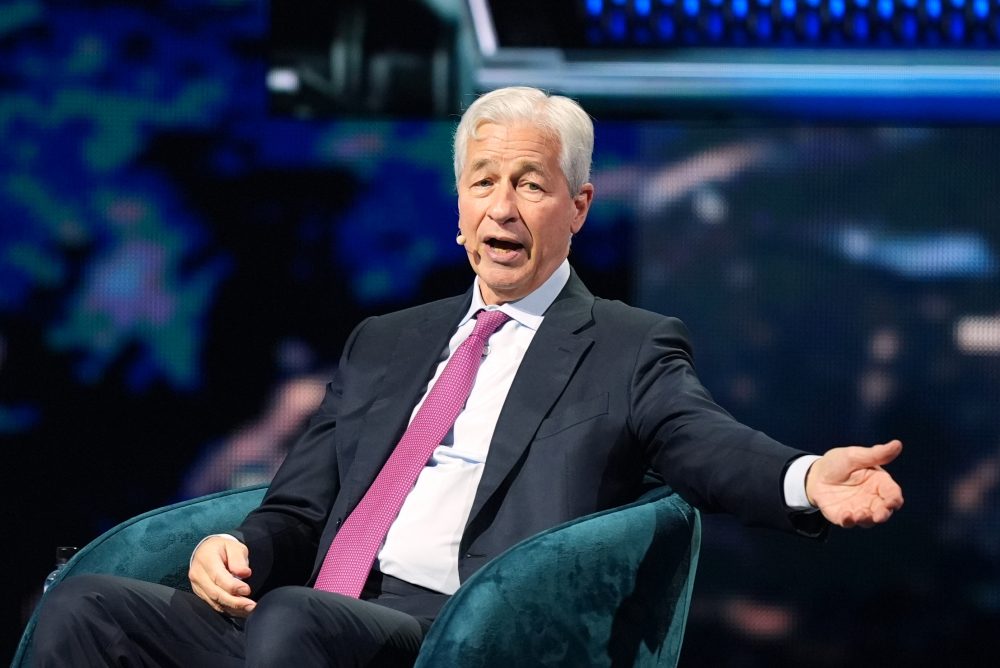
Mission chief Esteban González Pons addressed the situation directly, stating: “We have not observed any irregularities. And as far as we have observed, Colombian legislation has been followed.”
Despite those assurances, President Petro and his political ally, progressive candidate Iván Cepeda, are formally contesting the outcome. Petro had similarly alleged fraud after Cepeda failed to win the first round of voting last month.
Cepeda announced Sunday that his campaign would challenge results from more than 30,000 voting stations and would refuse to accept the final outcome until a recount is completed. Electoral authorities are expected to wrap up that recount by the end of this week.
Voter turnout for the runoff broke records, with more than 26 million Colombians casting ballots. Among those voters, over 426,000 chose a “no-name” protest option on the ballot — a way for voters to reject both candidates — while roughly 29,000 submitted blank ballots.
The deeply divisive election played out against a backdrop of public anxiety over the possibility of renewed internal conflict. Both candidates offered starkly different approaches to shielding Colombia from the brutal violence — including car bombings, kidnappings, forced disappearances, and mass displacements — that plagued the country in past decades.
Whoever is declared the winner will be sworn in to a four-year term on August 7.
In the weeks leading up to the runoff, the campaign grew increasingly bitter, with both sides trading sharp accusations of fraud, vote-buying, and voter intimidation. Petro also raised concerns about the software used to tabulate votes.
González Pons expressed puzzlement at the president’s behavior after presenting the mission’s preliminary findings. “It surprises us, and continues to surprise us, that the President of the Republic is denouncing irregularities that the candidates haven’t denounced,” he told reporters. “It seems pointless to point this out, but he’s not a candidate.”
The EU mission will continue monitoring the ongoing recount process and plans to release its full final report in September.