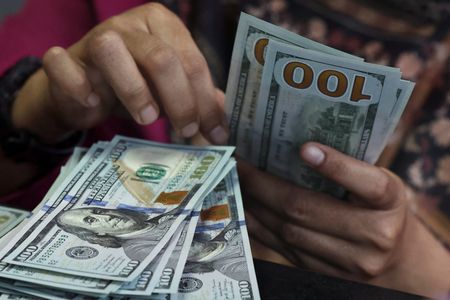

Financial experts believe the U.S. dollar could be ready for a comeback following a prolonged four-month downturn, as economic conditions and political factors begin shifting in favor of the American currency.
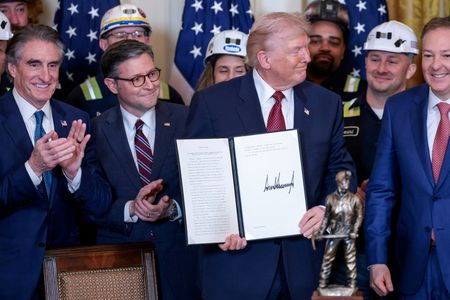
According to market analysts, several pressures that have weighed down the dollar are now easing. These include the European currency’s strong performance, expectations that the Federal Reserve would cut interest rates, and uncertainty surrounding President Donald Trump’s trade and economic policies.
At the same time, positive developments are emerging that could support dollar strength. These include better U.S. economic growth outlook, increased business optimism, continued foreign investment in American stocks and bonds, and expectations that Trump may adopt a less confrontational approach as midterm elections approach.
The dollar index, which tracks the currency’s performance against six major trading partners, has remained under the 100 mark since November. Since Liberation Day, it has dropped 6.7% and hit a four-year low in January. The currency has suffered its steepest losses against the Australian dollar this year, while also declining against the typically weaker Japanese yen.
Should the dollar reverse course, the effects would spread throughout international markets, influencing global trade patterns, multinational company profits, and investment approaches for trillions in international capital. Such a turnaround would also relieve stress on developing nation currencies and alter risk management strategies for investors globally.
“We are dollar bulls in a world of dollar bears right now,” said Dan Tobon, head of G10 FX strategy at Citi in New York.
Tobon anticipates dollar gains lasting through at least the third quarter, particularly versus the euro, Canadian dollar, and British pound, despite potential headwinds like foreign investor hedging and concerns about Federal Reserve independence under the Trump administration.
A Trump presidency focused more on economic growth and less on political controversy before midterms would provide additional currency support, Tobon noted.
“We think animal spirits will be coming back a bit. All of these things in conjunction, in our view, should actually be quite positive for the dollar.”
Jane Foley, head of currency strategy at Rabobank in London, thinks much pessimistic sentiment has already been factored into dollar pricing, while strong U.S. consumer spending continues attracting investment to America.
The dollar’s decline has influenced international trade flows, multinational corporate earnings, emerging market currencies, and investment strategies involving trillions in cross-border capital. Last year, investors increased their hedging ratios, with these trades contributing to the currency’s fall.
However, derivatives positioning indicates a gradual shift in market sentiment.
January currency options data revealed traders were purchasing protection against additional dollar declines while maintaining optimism about the euro, based on CME Group information.
Yet data shows hedging activity has decreased since Kevin Warsh’s Federal Reserve nomination, with risk reversals measuring currency option imbalances in euro and sterling retreating from January highs.
Market watchers say Warsh’s reputation as a stable leader who opposes expanded Fed asset purchases has calmed worries about excessive monetary easing and potential loss of central bank independence.
While Warsh’s nomination addresses one factor behind the recent dollar weakness, it represents only part of the equation, explained Garrett DeSimone, head of quantitative research at OptionMetrics.
OptionMetrics data revealed growing interest in butterfly structures, which wager on currency pairs remaining relatively stable.
“Taken together, this suggests the market is dialing back bets on U.S. dollar debasement, while investors are still paying for convexity in either direction,” DeSimone said.
However, not all analysts share this optimistic outlook for dollar strength. Experts at J.P.Morgan and BofA remain skeptical about significant currency gains.
Francesca Fornasari, head of currency at Insight Investment, also questions the dollar’s recovery potential, noting recent shifts in perceptions about the administration’s currency preferences.
“We are in an environment in which the administration would like to have a weaker dollar,” said Fornasari. “We think that the dollar is going to continue to grind lower over the course of the year.”