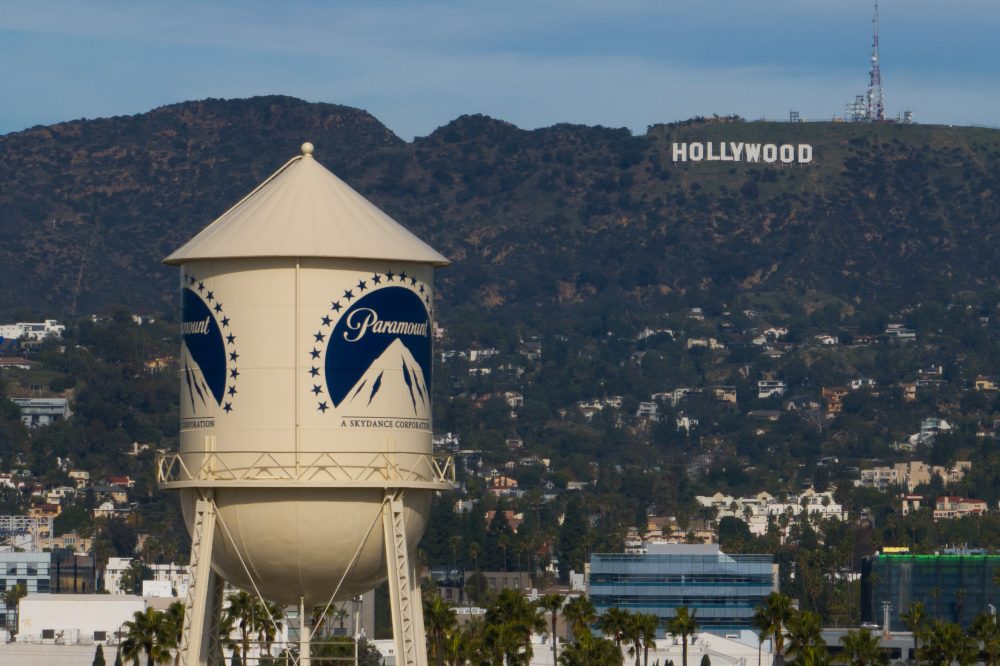

Federal antitrust officials have wrapped up their examination of the massive entertainment industry consolidation between Paramount Skydance and Warner Bros. Discovery, concluding the deal poses no threat to market competition or consumer welfare.
The Justice Department announced Friday it has completed its review of the proposed acquisition, with antitrust officials determining the transaction’s effect “will be to increase competition across the media and entertainment ecosystem, with benefits for American consumers and workers.”
David Ellison’s Paramount Skydance struck an agreement to purchase Warner Bros. Discovery in late February following extensive negotiations and competing offers, including a rival proposal from Netflix that was ultimately unsuccessful. Skydance had previously acquired Paramount last year.
The merging companies argue the combination will drive industry expansion and provide viewers with expanded content offerings, especially through a potential merger of the HBO Max and Paramount+ streaming catalogs. However, opponents worry about additional consolidation in a sector already dominated by a handful of major corporations.
Federal investigators examined various market effects from the transaction, including potential impacts on video streaming competition. They determined the merger would likely enhance competition by creating a stronger “robust competitive alternative” to established streaming giants.
The department also found that YouTube, TikTok and similar social media platforms offering video content “do not appear to be competitive substitutes here under well-established antitrust legal precedents, although they compete broadly for consumer attention.”
Officials additionally concluded the deal won’t damage competition in traditional television broadcasting, pointing to vigorous rivalry for live programming rights.
Regarding Hollywood competition, regulators determined combining two major film studio operations won’t harm rivalry in movie development, production or theatrical distribution.
“Instead, evidence shows extensive competition within the industry, which has generated greater output and diversity of film offerings, and is likely to continue unabated,” officials stated.
Thousands of entertainment industry workers including actors, directors, writers and other professionals have expressed “unequivocal opposition” to the Paramount transaction, contending additional consolidation will result in job cuts and reduced options for creators and audiences. Numerous legislators have raised similar concerns.
Ellison, who leads Paramount Skydance, has committed to maintaining Paramount and Warner Bros. as separate studio operations while promising to distribute 30 theatrical releases annually. Paramount has acknowledged the merger will also result in substantial workforce reductions due to overlapping functions.
Although the Trump administration’s Justice Department has confirmed it won’t contest Paramount’s $81 billion Warner acquisition, the major consolidation remains under scrutiny from additional regulatory bodies domestically and internationally.
California Attorney General Rob Bonta has been especially outspoken regarding the transaction, announcing his state is conducting its own investigation.
Outside the United States, European authorities are also examining the deal. The European Commission has established July 7 as a preliminary deadline for its assessment. The U.K.’s Competition and Markets Authority plans to reach an initial determination about its investigation by early August.
Paramount and Warner had previously indicated they expected to finalize their agreement during the third quarter of this year, with time running short. Paramount has promised shareholders compensation if the deal doesn’t complete by Sept. 30, offering a 25-cent per share “ticking fee” for each subsequent quarter. The company has also accepted a $7 billion regulatory termination penalty.