
BOGOTÁ, Colombia — The scars of six decades of armed conflict in Colombia are still very much alive for those who lived through it — etched into their bodies and minds in ways that never fully heal.
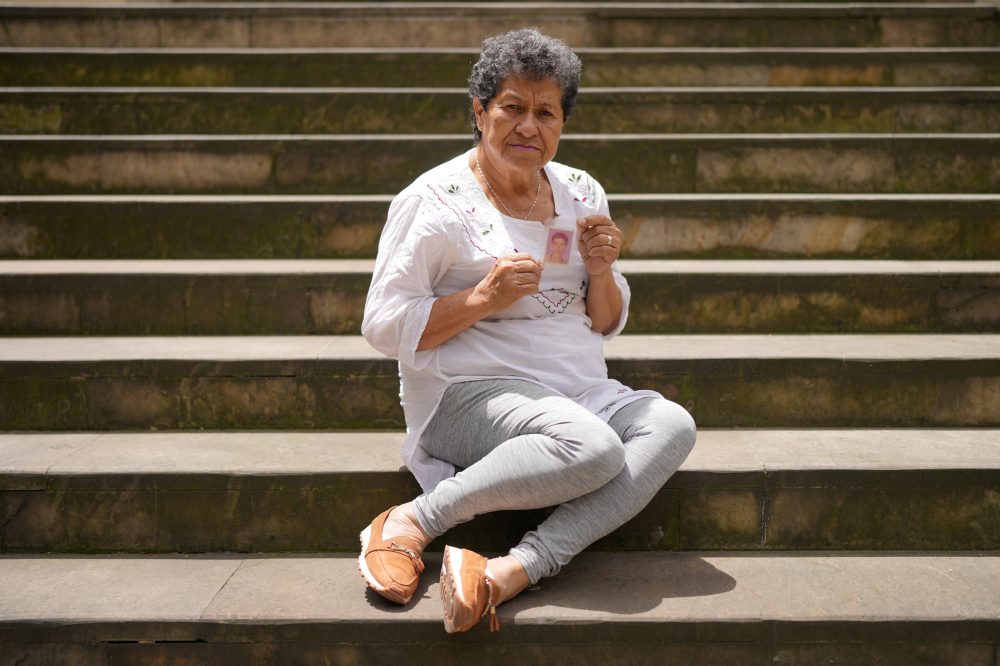
For 67-year-old Blanca Nubia Monroy, that scar takes the form of a black-and-white scale of justice tattooed on her forearm — a replica of the tattoo that was used to identify the body of her 19-year-old son after he was kidnapped and killed by Colombian soldiers in 2008.
For Sigifredo López, 62, it comes in the form of haunting flashbacks from the seven years he spent as a guerrilla captive deep in the South American country’s jungle, and the lasting trauma of having survived while his fellow captives were massacred in 2007.
The two hold sharply opposing views on who should lead Colombia after Sunday’s election. Monroy is throwing her support behind peace advocate Iván Cepeda, while López is backing Trump-endorsed Abelardo de la Espriella, a lawyer who has pledged a sweeping offensive against crime. Yet despite their political differences, both share the same core fear: a return to the brutal violence of the past.