
TORONTO — Canada announced Monday that Germany’s ThyssenKrupp Marine Systems has been selected as the preferred supplier for a new fleet of up to 12 submarines, a deal Prime Minister Mark Carney described as the biggest military procurement in the country’s history.
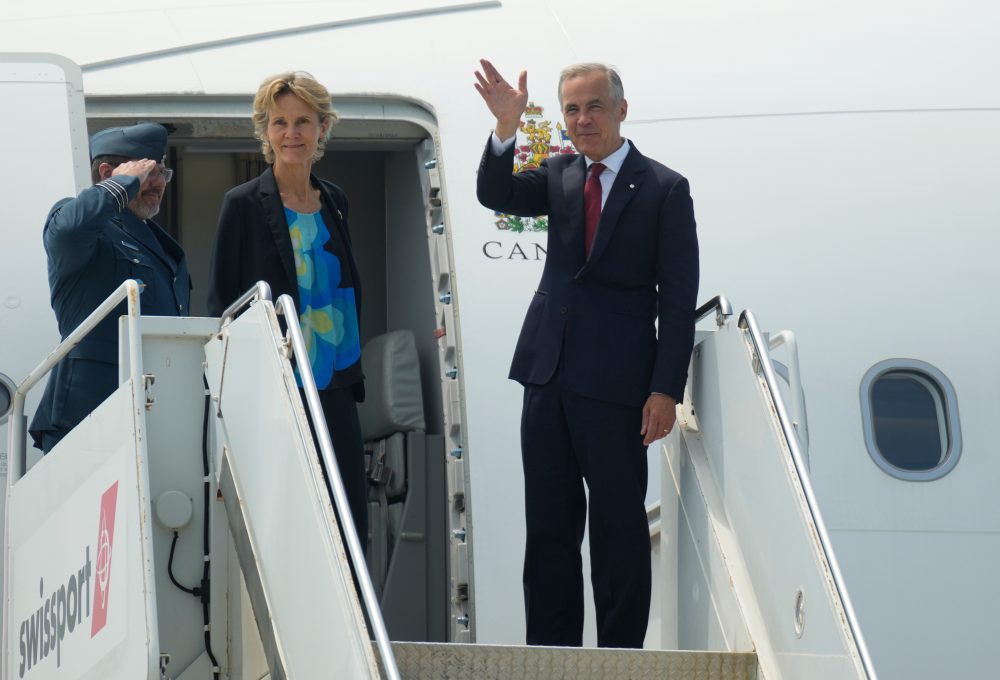
The announcement was made ahead of Carney’s departure for this week’s NATO summit, where alliance members are under pressure to back up pledges of higher defense spending with solid, concrete plans.
Speaking at a military base in Halifax, Nova Scotia, Carney said the TKMS platform is best suited for operations in Arctic waters and for working alongside NATO allies. “The submarine is proven and capable. It is used widely by our allies. TKMS provides submarines to over a third of the NATO alliance, and is the leading submarine provider to navies around the world,” he said.
ThyssenKrupp beat out South Korea’s Hanwha Ocean for the contract. The German company noted that its submarines would improve coordination among allies since many NATO nations already operate its conventionally powered vessels. Canada will now move into further negotiations with TKMS as the preferred supplier.
Canada has committed to significantly ramping up its military spending after falling short of NATO targets for years. Carney has pledged to increase defense spending to 5% of gross domestic product by 2035. Canada only recently met NATO’s previous benchmark of 2% of GDP this year. He added that Canada’s fiscal framework has already set aside funding to reach 4% of GDP in total spending by 2030, ahead of NATO’s own schedule.
Carney also said that Germany and Norway have offered to share some of their production slots so Canada can take delivery of submarines sooner than originally planned. The expectation is that Canada will have four submarines in service by 2034.
The new fleet is intended to replace Canada’s four aging Victoria-class submarines, which were bought secondhand from the United Kingdom in the late 1990s.
No American company submitted a bid for the contract, as the United States only manufactures nuclear-powered submarines. Canada was specifically seeking conventionally powered diesel-electric vessels.