
ŠIAULIAI AIR BASE, Lithuania — Alliance warplanes responded Monday to intercept Russian strategic bombers and escort fighters conducting operations over Baltic waters, demonstrating coordinated air defense capabilities along NATO’s eastern border while global attention remains focused on Middle Eastern conflicts.
French Rafale fighters launched from a Lithuanian airfield where they’re deployed for NATO’s long-standing air surveillance mission. The missile-equipped aircraft joined warplanes from Sweden, Finland, Poland, Denmark and Romania in monitoring and shadowing the Russian formation, according to the French military unit.
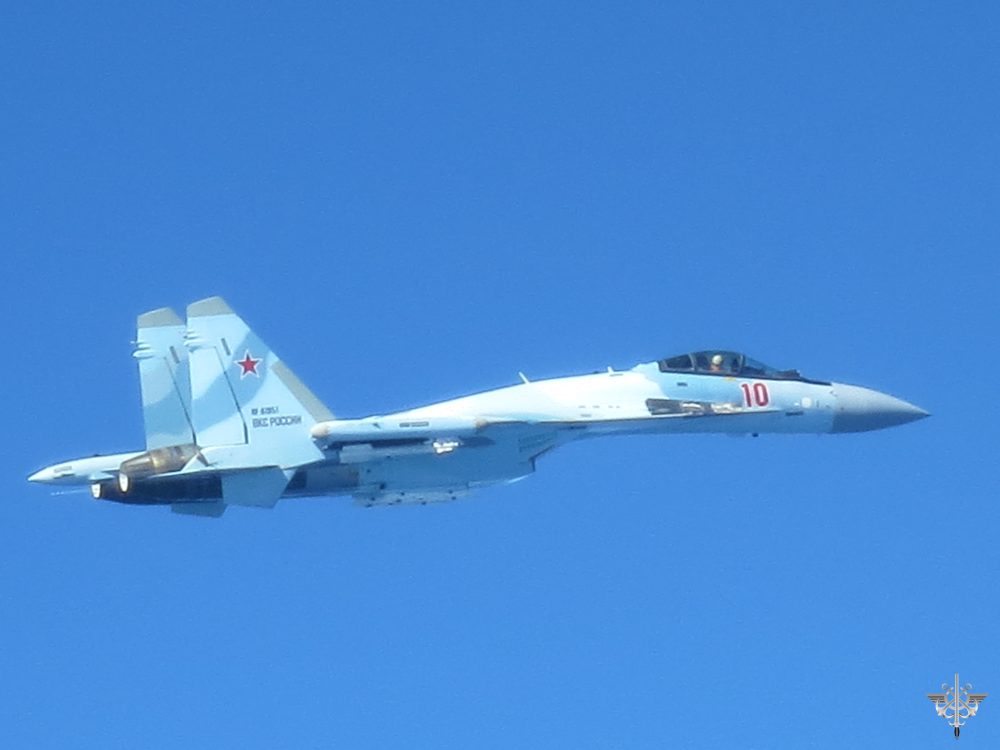
Russia’s aerial mission featured two supersonic Tu-22M3 bombers accompanied by approximately 10 fighter aircraft — a mix of SU-30s and SU-35s — that alternated escort duties for the larger strategic aircraft, military officials reported.
Moscow’s Defense Ministry characterized the bomber mission as a planned operation conducted over international Baltic waters. The flight lasted more than four hours, the ministry announced Monday via Telegram.
“During portions of the flight path, the strategic bombers received escort from foreign military aircraft,” the ministry stated. “Long-range aviation crews routinely perform missions over international waters in the Arctic, North Atlantic, Pacific Ocean, and Baltic and Black Sea regions. All Russian Aerospace Forces operations follow strict adherence to international aviation regulations.”
The ministry didn’t respond to follow-up inquiries Tuesday. Russian strategic bomber flights over Baltic waters are frequently reported, including a January incident that also prompted NATO intercepts, plus at least four similar missions in the previous year.
NATO’s Allied Air Command also didn’t provide immediate comment Tuesday.
The military alliance regularly launches interceptor aircraft when Russian warplanes approach or transit near NATO-controlled airspace. Alliance officials note that Russian aircraft often operate without active transponders, fail to communicate with aviation controllers, or don’t submit proper flight documentation. NATO fighters are deployed to visually identify these aircraft.
Most Russian flights monitored through NATO’s Baltic air patrol program — established when Lithuania, Latvia and Estonia became alliance members in 2004 — involve travel to and from Russia’s Kaliningrad territory. Prior to Ukraine’s conflict, NATO was conducting approximately 300 annual intercepts of Russian aircraft, primarily over northern European waters.
An Associated Press reporter observed Monday’s French response from Lithuania’s extensive Šiauliai Air Base. The facility serves as NATO’s hub for fighter patrols securing alliance airspace along the eastern frontier.
Two French Rafale crews — each consisting of a pilot and navigator — were observed rushing in vehicles from their command center to aircraft hangars. The airmen were already in flight gear from standby duty, enabling rapid deployment within minutes of receiving scramble orders.
Both crews quickly entered their cockpits and remained on alert with engines running until receiving takeoff authorization. The aircraft then moved from their hangars and launched into clear skies.
Monday’s mission represents the most recent Russian aerial activity over Baltic waters.
Lithuania’s defense officials reported NATO fighters were activated four times between April 13-19 to respond to Russian aircraft violating standard flight protocols, including disabling transponders and operating without filed flight plans.