Tag: sussex county

  • Major Disaster Declaration approved for Delaware

    Major Disaster Declaration approved for Delaware

    President Joe Biden has officially approved a Major Disaster Declaration for Delaware.

    On September 17, 2021, Governor John Carney requested a Major Disaster Declaration for the State of Delaware in response to the severe flooding that occurred as the remnants of Hurricane Ida passed through the region on September 1 to September 7, 2021.

    The request included FEMA’s Individual Assistance, Public Assistance, and Hazard Mitigation Grant programs, as well as assistance from the Small Business Administration (SBA).

    On Sunday, October 24, President Biden declared that a major disaster exists in the State of Delaware and ordered Federal assistance to supplement state and local recovery efforts in the areas affected by the remnants of Hurricane Ida.

    Requests for Public Assistance and assistance from the SBA were approved for New Castle County and Hazard Mitigation Grant Program funding was approved statewide.

    The State’s request for assistance under FEMA’s Individual Assistance program is still under review.

    Public Assistance provides funding for state, local governments, and certain private nonprofit organizations, on a cost-sharing basis, for emergency protective measures and the repair or replacement of facilities damaged as a result of the event.

    The request for Individual Assistance, the most impactful request which may provide direct assistance to homeowners and renters affected by the flooding, is still being reviewed.

    Delaware Emergency Management Agency (DEMA) Director AJ Schall said, “We are grateful that the request to aid affected governments and nonprofits, was approved and are hopeful that FEMA will be able to provide support directly to our residents who are still struggling to recover from this historic event.

    DEMA will continue to work our federal partners, local government entities, and nonprofits which were affected by the flooding.

  • EXCLUSIVE | Millsboro Middle School bus driver caught on video cursing, screaming at students

    EXCLUSIVE | Millsboro Middle School bus driver caught on video cursing, screaming at students

    A Sussex County school bus driver is in hot water after video surfaced showing her screaming and cursing at students from Millsboro Middle School.

    The exclusive video, which we had to edit due to the level of expletives, shows the bus driver screaming and dropping numerous f-bombs at students from Millsboro Middle School.

    “Goodbye! I’m getting off the f***ing bus!,” the driver can be heard yelling at students. “I can’t f****ing handle all you dumb asses acting like f***ing fools.” The driver, who has not been identified by district officials, continued to scream in frustration and argue with students. “You don’t f***ing listen!,” she screamed. “You don’t do anything that I ask you to do or tell you to do. Do you understand me?!!! I’m not sitting on this f***ing bus!”

    Emily Saxton, an eighth grader at Millsboro Middle, was aboard the bus and recorded the incident. She says she was shocked as she witnessed her bus driver pull the bus over and begin to have a mental breakdown.

    “Everyone was being loud and like it’s an everyday problem,” Emily explained. “She probably just got fed up with like everything and just like went off.”

    Emily’s mother, Kelly Saxton, said she understands that being a bus driver is not an easy job, but there’s no excuse for that kind of behavior.

    “I think I watched it in complete shock and horror,” Kelly said. “You have to understand that yes, the kids misbehave on that bus, they’re loud, there’s a couple particular kids that just are extremely over the top that I know I couldn’t even deal with, but I honestly think she should be let go from her job. I don’t think it suits her.”

    TV Delmarva’s Rob Petree reached out to the Indian River School District who issued the following statement:

    “The school district is aware of a bus incident that occurred on Friday, October 22nd involving a contracted bus driver transporting students’ home from Millsboro Middle School. Parents were notified of the incident by the school principal. This incident is currently under investigation with district officials and the bus contractor.”

    TV Delmarva News has also reached out to the bussing contractor, Johnson Transportation, who have yet to respond to a request for comment.

    You can view the full video report on our Facebook page, @TVDelmarva

  • Millsboro Police searching for suspect who caused a scene at Family Dollar

    Millsboro Police searching for suspect who caused a scene at Family Dollar

    Police in Millsboro are searching for the man who caused a scene at a local dollar store.

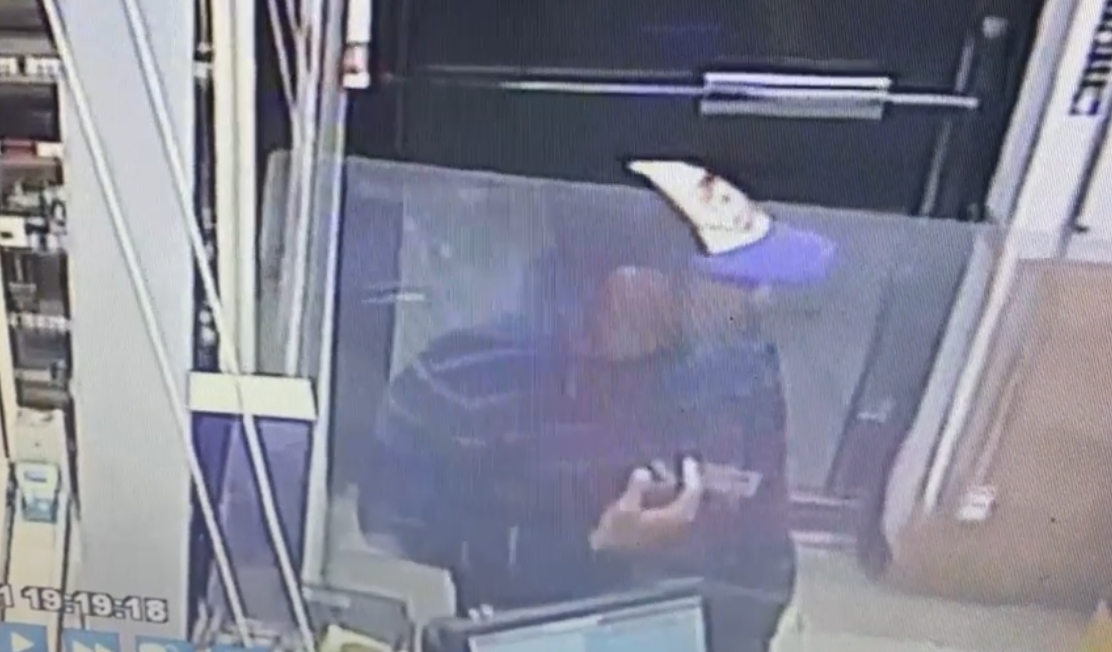
    Millsboro Police are seeking the identity of the man shown in the following surveillance video.

    The man is wanted for questioning regarding a disorderly conduct and criminal mischief complaint that occurred at Family Dollar Thursday evening.

    If anyone has any information on the identify of the suspect they are asked to contact police.

  • Decked Out fundraiser raises over $50k for the Inland Bays

    Decked Out fundraiser raises over $50k for the Inland Bays

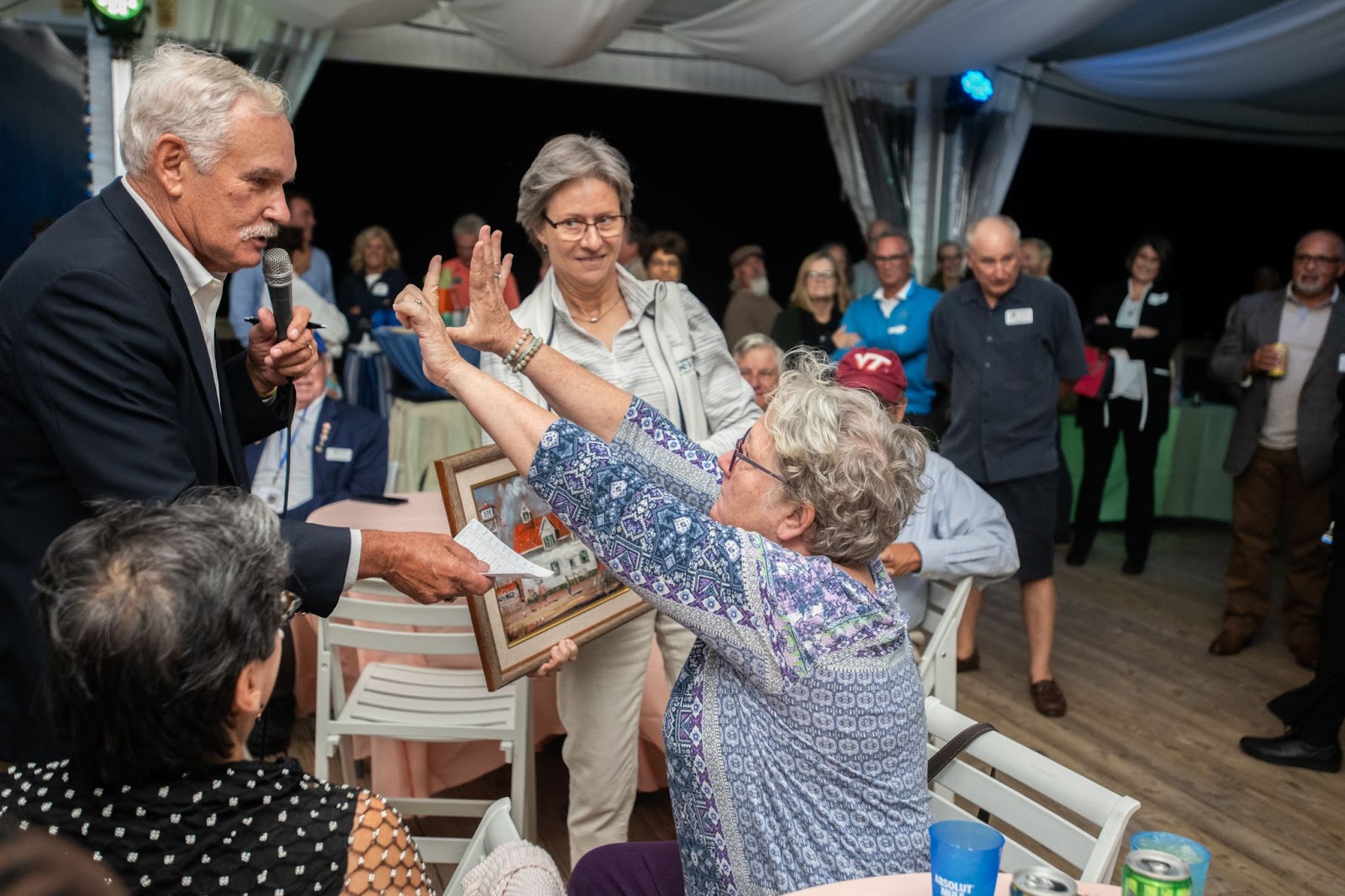
    DDA Secretary Michael Scuse (left) served as auctioneer during the very lively Gallery One art auction. Photo by Matt Sprague.

    The Delaware Center for the Inland Bays’ annual Decked Out fundraiser took place on Thursday, Sept. 30 and raised over $50,000 for the protection and restoration of the Inland Bays.

    Following a one-year hiatus due to the pandemic, this year’s event was held in-person at Big Chill Beach Club in Delaware Seashore State Park and included a live art auction featuring pieces from 11 Gallery One artists. The evening also included a silent auction and a performance by local musician, Keith Mack.

    Representatives Ruth Briggs King and Ron Gray were in attendance and addressed the crowd. As a result of their leadership, Sussex County legislators and the State of Delaware have contributed nearly $400,000 to the Lessons in Nature at James Farm Ecological Preserve capital campaign. Photo by Matt Sprague.

    Proceeds from the event will go toward protecting and restoring the Inland Bays through science, research, restoration and education. A portion of proceeds will specifically support the Lessons in Nature at James Farm Ecological Preserve capital campaign, which is raising funds for improvements that will allow the Center to expand its environmental education efforts.

    Other initiatives supported by the funds raised include important restoration and protection projects such as our Diamondback Terrapin Gardens, citizen science surveys, and public education opportunities at the James Farm Ecological Preserve.

    “We are so thankful to the community for their support through this event,” said Chris Bason, the Center’s Executive Director. “Any progress made on restoring these important estuaries wouldn’t be possible without the generosity of individuals and businesses that share in our vision of cleaner, healthier Inland Bays for all to enjoy.”

    More than 30 individuals, businesses and organizations sponsored this year’s Decked Out event. Lead sponsor was Ørsted, who also made generous contributions directly to some of the Center’s projects. Other high-level sponsors included Big Chill Beach Club, Absolut Vodka, Ashton Pools by Design, Bioenergy Devco, Delmarva Power, Dogfish Head Craft Brewery, Pegasus Foundation, Pettus-Crowe Foundation, Sussex Conservation District, GFL Environmental, John and Cheryl Grandy, and Patricia and Bob Ragan.

    The Delaware Center for the Inland Bays is a non-profit organization established in 1994, and is one of 28 National Estuary Programs. With its many partners, the Center works to preserve, protect and restore Delaware’s Inland Bays and their watershed. Learn more at inlandbays.org.

  • Woman shot to death early Thursday morning in Ocean View

    Woman shot to death early Thursday morning in Ocean View

    Delaware State Police are currently investigating a homicide that occurred early this morning in Ocean View.

    According to the Delaware State Police Department, the incident occurred around 4:21 a.m., Thursday in the 30000 block of Bethany Crest when troopers were called to the area for reports of a shooting.

    Police arrived and discovered that a 55-year-old woman was shot and that a male suspect had fled the scene in a vehicle.

    Shortly thereafter, a description of the suspect and the vehicle was broadcast to all state police agencies as well as surrounding Maryland law enforcement. Within ten minutes, a deputy with the Wicomico County Sheriff’s Office located the vehicle driving erratically on Route 50 headed westbound in the area of Tilghman Road.

    Police continued to follow the truck to a home in Hebron where the suspect was taken into custody without incident by the Wicomico County Sheriff’s Office and Maryland State Police.

    The 40-year-old male suspect from Hebron, Maryland is currently in custody at the Wicomico County Sheriff’s Office where he is awaiting charges.

    The 55-year-old woman was pronounced dead at the scene. She will be transported to the Delaware Division of Forensic Science were an autopsy will be performed to determine the exact cause and manner of death. Her name is being withheld pending notification of next of kin.

    The case remains an active and ongoing investigation.

  • Police investigate fatal motorcycle crash near Milton

    Police investigate fatal motorcycle crash near Milton

    A Lewes man has died following a serious motorcycle crash near Milton.

    According to Delaware State Police, the crash occurred around 7:30 a.m., when a 2002 Jeep Cherokee SUV, driven by a 52-year-old Georgetown woman, was stopped at a stop sign on northbound Cool Spring Road at Stockley Road.

    A 2012 Harley Davidson Ultra Classic Electro Glide motorcycle, operated by a 52-year-old Lewes area man, was traveling westbound on Stockley Road, approaching the intersection with Cool Spring Road.

    Westbound Stockley Road at this intersection is a throughway, and traffic is not required to stop, police emphasized.

    The driver of the Cherokee failed to remain stopped and proceeded through the intersection directly into the path of the Harley Davidson. As a result, the motorcycle collided with the Cherokee’s passenger side.

    The motorcycle came to rest within the intersection and the Cherokee came to a controlled stop north of the intersection.

    The driver of the Cherokee was transported to a nearby hospital with minor injuries, where she was treated and released.

    The operator of the Harley Davidson was transported to an area hospital where he was pronounced deceased. Identification is pending notification to next of kin.

    The crash remains under investigation.

  • Skunk tests positive for rabies in Greenwood

    Skunk tests positive for rabies in Greenwood

    Skunk

    The Delaware Division of Public Health (DPH) is strongly reminding Delawareans to use caution when around unknown wild animals, including feral cats and stray animals. The reminder comes after a skunk in Greenwood recently tested positive for rabies after attacking a stray cat. The cat escaped and was later found dead in a nearby area.

    “This situation is a good reminder for everyone to not touch, feed or approach stray animals. Had that cat returned to its feral colony and been infected with rabies from the attack, it could have transmitted the infection to other cats,” said DPH Medical Director Dr. Rick Hong. “For the safety of everyone, the best thing to do to avoid risk of exposure to rabies, is to stay away from unfamiliar wild or stray animals.”

    Rabies is a preventable disease. DPH recommends that individuals take the following steps to prevent rabies exposure:

    • All dogs, cats, and ferrets 6 months of age and older are required by Delaware law to be vaccinated against rabies by a licensed veterinarian.
    • Pet owners can reduce the possibility of pets being exposed to rabies by keeping them indoors and not letting them roam free. It is especially important for pet owners who do allow their cats to roam outdoors to vaccinate their pets.
    • Do not touch or otherwise handle wild or unfamiliar animals, including cats and dogs, even if they appear friendly.
    • Do not keep your pet’s food or water outdoors; bowls can attract wild and stray animals.
    • Do not feed feral animals, including cats, as the risk of rabies in wildlife is significant.
    • Spaying or neutering your pet may reduce the tendency to roam or fight and, thus, reduce the chance they will be exposed to rabies.
    • Keep your garbage securely covered.
    • Consider vaccinating livestock and horses, as well. It is recommended to consult with your private veterinarian if you have any questions regarding whether your animal(s) should be vaccinated against rabies.

    Since Jan. 1, 2021, DPH has performed rabies tests on 171 animals, 17 of which were confirmed to be rabid, which includes one dog, two raccoons, two skunks (including this one), one fox, three cats, six bats, one cow and a deer. DPH only announces those rabies cases for which it is possible the animal had unknown contacts with additional humans or pets.

    In 2020, DPH performed rabies tests on 121 animals, four of which were confirmed to be rabid, including one raccoon, one bat, and two cats. Two additional Delaware animals were tested out of state and confirmed positive, bringing the state total to six.

    Rabies is an infectious disease affecting the nervous system of humans and other mammals. Infection can occur through the bite or scratch of an infected animal or if saliva from such an animal gets into the eyes, nose, mouth, or an opening in the skin. Rabies in humans and animals cannot be cured once symptoms appear. Therefore, if a human has been exposed, and the animal is unavailable to be quarantined or tested, DPH recommends that people receive post-exposure prophylaxis (PEP) treatment, a series of four vaccinations, as a precautionary measure.

    If You Encounter an Animal Behaving Aggressively:

    • If you encounter a wild animal other than a feral cat or possibly dog behaving aggressively, it is recommended you contact the Delaware Department of Natural Resources and Environmental Control’s (DNREC) Wildlife Section at 302-739-9912 or 302-735-3600. Staff will determine whether it is more appropriate to refer callers to a private nuisance wildlife control operator. A listing of nuisance wildlife control operators can be found at https://wildlifehelp.org/. Calls after hours and on weekends can be made to the 24-hour dispatch number at 800-523-3336.
    • Do not throw items at the animal or make loud banging noises, which may startle the animal and cause it to attack. Instead, your initial response – if the animal is behaving in an aggressive manner or appears to be foaming at the mouth – should be to raise your hands above your head to make yourself appear larger to the animal while slowly backing away from it. If the animal starts coming toward you, raise your voice and yell sternly at it, “Get away!” If all that fails, use any means to protect yourself including throwing an object at the animal or trying to keep it away by using a long stick, shovel, or fishing pole.
    • If you encounter a stray or feral domestic animal, such as a cat or dog, behaving aggressively, contact the Office of Animal Welfare at 302-255-4646.

    If You Encounter a Sick or Injured Animal:

    • To report a sick or hurt wild animal, Delaware residents are asked to contact the DNREC’s Wildlife Section at 302-739-9912 or 302-735-3600. Staff will determine whether it is more appropriate to refer callers to a permitted volunteer wildlife rehabilitator.
    • If you encounter a sick stray domestic animal, such as a cat or dog, contact the Office of Animal Welfare at 302-255-4646.
  • Sussex County woman contracts West Nile Virus

    Sussex County woman contracts West Nile Virus

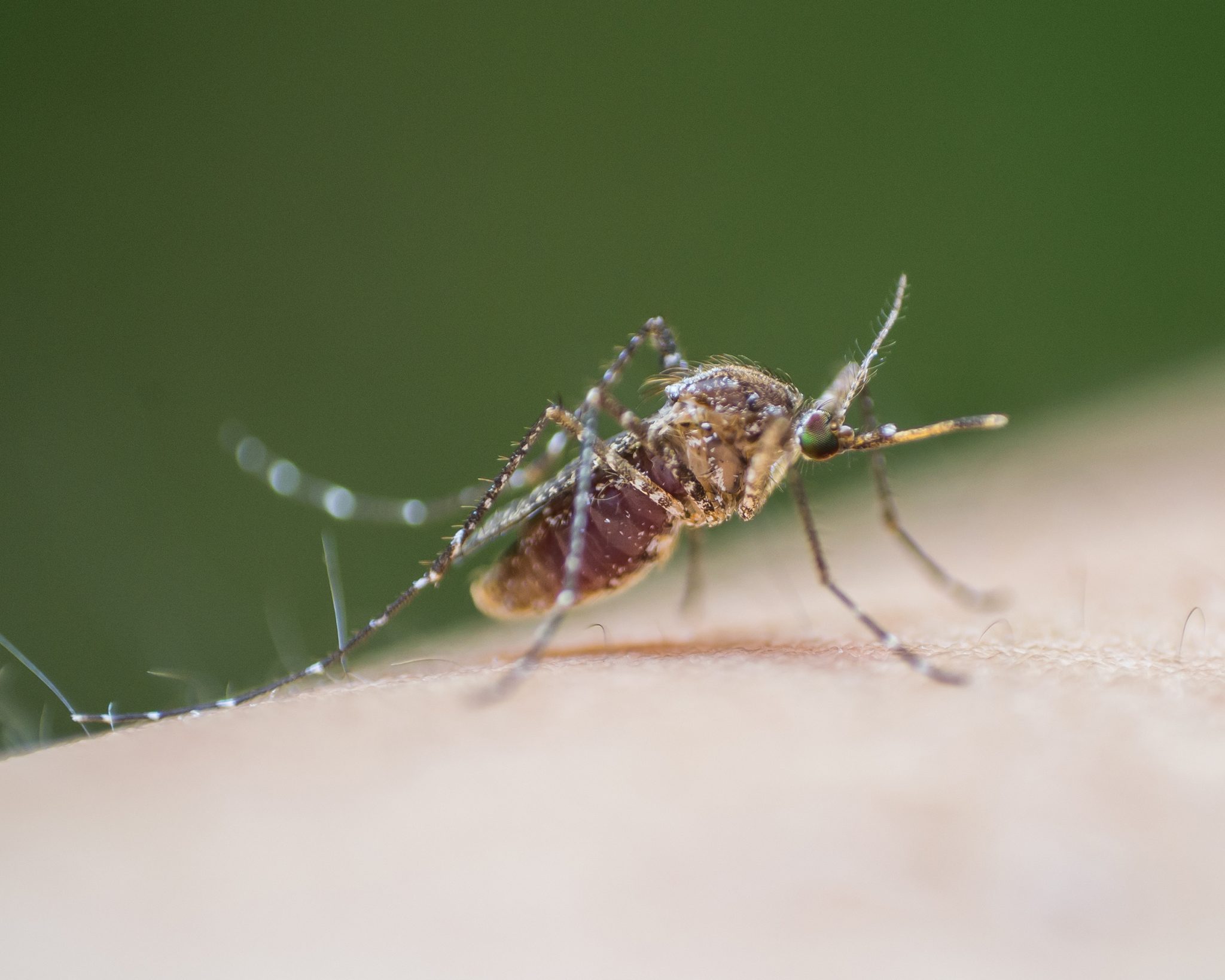
    The Division of Public Health (DPH) has announced that a 79-year-old Sussex County woman has become infected with West Nile Virus (WNV), the state’s second case of human WNV in 2021.

    An epidemiological investigation is currently ongoing to confirm any travel history or sources that could have led to transmission. To protect the patient’s privacy, no more information will be provided on the individual at this time.

    “As mosquito season continues through the fall months, it is important for everyone to take proper precautions when going outdoors in an environment where mosquitoes are prevalent,” said DPH Director Dr. Karyl Rattay. “Wearing insect repellent and wearing light-colored, long-sleeved shirts and pants are easy measures to take that can protect against this serious and sometimes deadly virus.”

    The mosquitoes that cause WNV bite primarily from dusk (evening) to dawn (morning). However, other mosquitoes that cause diseases such as chikungunya, dengue fever, and Zika can bite during the day. It is important to protect yourself by wearing insect repellent whenever you go outdoors.

    WNV is a mosquito-borne illness that can cause serious health problems. WNV is transmitted by mosquitoes, generally in summer and fall, with a peak period for disease transmissions from mid-August to mid-October. Nearly 80 percent of people infected with WNV will not become ill. While only a little less than 20 percent of those infected with the virus will develop West Nile fever with mild symptoms (fever, headache, body aches, a skin rash on the chest or back and swollen lymph glands), one in 150 people infected will develop severe infection (West Nile encephalitis or meningitis).

    Symptoms of severe WNV infection include headache, high fever, stiff neck, and/or tremors and muscle weakness. The elderly and those with weakened immune systems are most at risk. Anyone who experiences any of these severe symptoms should seek medical help immediately. Symptoms may progress to stupor, disorientation, coma, convulsions, paralysis and possibly death.

    In addition, the Office of the State Veterinarian has announced a confirmed case of West Nile Virus (WNV) in a horse. The infected horse was a 3-year-old Standardbred gelding residing in Kent County. The horse began showing signs of weakness in the hind limbs, with fever and respiratory signs on Oct. 1. The gelding lost the ability to stand and was therefore euthanized on Oct. 5. Samples were submitted to the Delaware Public Health Laboratory on Oct. 6, which confirmed the diagnosis of WNV on Oct. 7. The affected horse was not currently vaccinated against WNV.

    West Nile Virus and Eastern Equine Encephalitis (EEE) are diseases transmitted to horses via the bites of mosquitoes. Humans can also be infected with WNV and EEE, but transmission requires a mosquito bite, and the virus cannot be directly transmitted between horses, or between horses and people. Signs of infection in horses include fever (although not always with WNV), anorexia, head pressing, depression or personality change, wobbling or staggering, weakness, blindness, convulsions, muscle spasms in the head and neck, or hind-limb weakness. If owners notice any of these signs in their horses, they should contact their veterinarian immediately.

    “It is essential that owners of horses and other equines work with their veterinarian to set up a routine vaccination protocol to help prevent West Nile Virus and Eastern Equine Encephalitis,” said Dr. Karen Lopez, Deputy State Veterinarian. “Unfortunately, neither disease has a specific drug treatment. Eastern Equine Encephalitis infections are fatal in 70 to 90 percent of the cases, and West Nile Virus is fatal in 30 percent of the horses that contract it.”

    Horse owners can take several additional steps in the barn and around the farm to help protect horses from mosquito bites. Horses should be kept inside during dawn and dusk, which are peak hours for mosquito activity. Topical insect repellents labeled for use on horses may be applied. The wind generated by fans installed in horse stalls can also help deter mosquitoes. Old tires and containers should be disposed of, and standing water eliminated. Water troughs or buckets should be emptied, cleaned, and refilled every 2-3 days if possible to remove any mosquito eggs or larvae.

    Mosquito Bite Prevention: To avoid mosquito bites and reduce the risk of infection, individuals should:

    Use Environmental Protection Agency (EPA)-registered insect repellents. Follow the manufacturer’s instructions for reapplication times.
    If using sunscreen, apply it first and insect repellent second.
    Adults: Spray insect repellent onto your hands and then apply it to the child’s face. Do not apply insect repellent onto a child’s hands, eyes, mouth, or on cut or irritated skin.
    Do not use insect repellent on babies younger than 2 months of age.
    When outside, wear shoes, light-colored long-sleeved shirts and pants. Dress your child in clothing that covers arms and legs. Mosquito netting can protect one’s face and neck, and infants in carriages, strollers and playpens.
    Use permethrin (an insecticide) to treat clothing and gear (such as boots, pants, socks, and tents), but do not apply to skin.

    Prevent mosquitoes from entering the house by using screens and keeping windows and doorways tightly sealed.
    The Department of Natural Resources and Environmental Control’s (DNREC) Mosquito Control section announced WNV in sentinel chickens for the first time this year in July. Delawareans are reminded that the possibility of contracting mosquito-transmitted diseases, including WNV and EEE, will continue until colder autumn temperatures in mid-October or later. Until that time, in response to findings of WNV or EEE in humans or horses by the Division of Public Health and Delaware Department of Agriculture, respectively, DNREC’s Mosquito Control Section typically increases its mosquito population surveillance efforts in the vicinity of the virus findings, and then, depending on types and numbers of mosquitoes encountered, takes appropriate mosquito control measures as warranted. To report suspected cases of human WNV, call the DPH Office of Infectious Disease Epidemiology at 1-888-295-5156.

  • Georgetown man arrested in road rage incident

    Georgetown man arrested in road rage incident

    A Georgetown man was arrested after police say he pulled a shotgun on another driver during a road rage incident.

    According to Delaware State Police, the incident occurred just after 7 p.m., Friday when troopers responded to the intersection of Piglet Path and Seashore Highway in Georgetown for reports of a road rage incident involving a weapon.

    Police arrived and learned that a 60-year-old male victim was stopped at the intersection when a tan 2005 Chrysler Sebring turned northbound on Piglet Path directly in front of the victim’s vehicle.

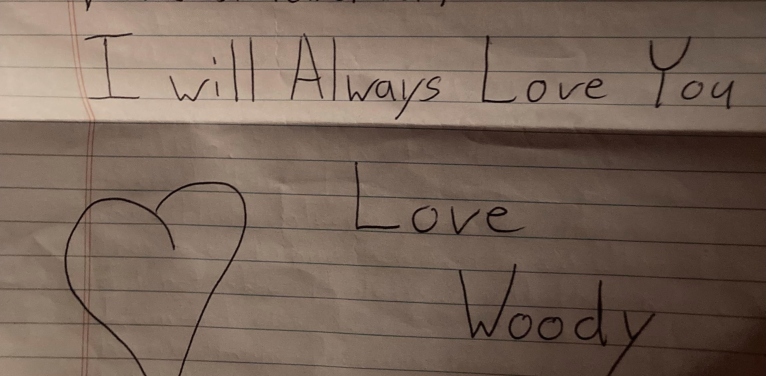
    Police say the suspect, later identified as 37-year-old Carlton Breasure, stopped his vehicle, got out and started arguing with the victim.

    37-year-old Carlton Breasure – Delaware State Police

    During the argument, Breasure allegedly threatened the victim and pulled out a shotgun, at which time the victim fled the scene and called 911.

    Troopers located Carlton at the intersection and took him into custody without incident.

    A 12-gauge shotgun was located inside Breasure’s vehicle.

    The victim was not injured.

    Breasure was arrested on a slew of charges and later committed to the Sussex Correctional Institution on $239,600 cash bond.