Tag: meteor shower

  • Lyrid Meteor Shower 2025: When, Where, and How to See This Spring’s Fiery Display

    Lyrid Meteor Shower 2025: When, Where, and How to See This Spring’s Fiery Display

    Get ready for a springtime sky show! The Lyrid meteor shower is set to peak this week, offering skywatchers across the Northern Hemisphere a chance to witness one of the oldest and most reliable annual meteor showers.

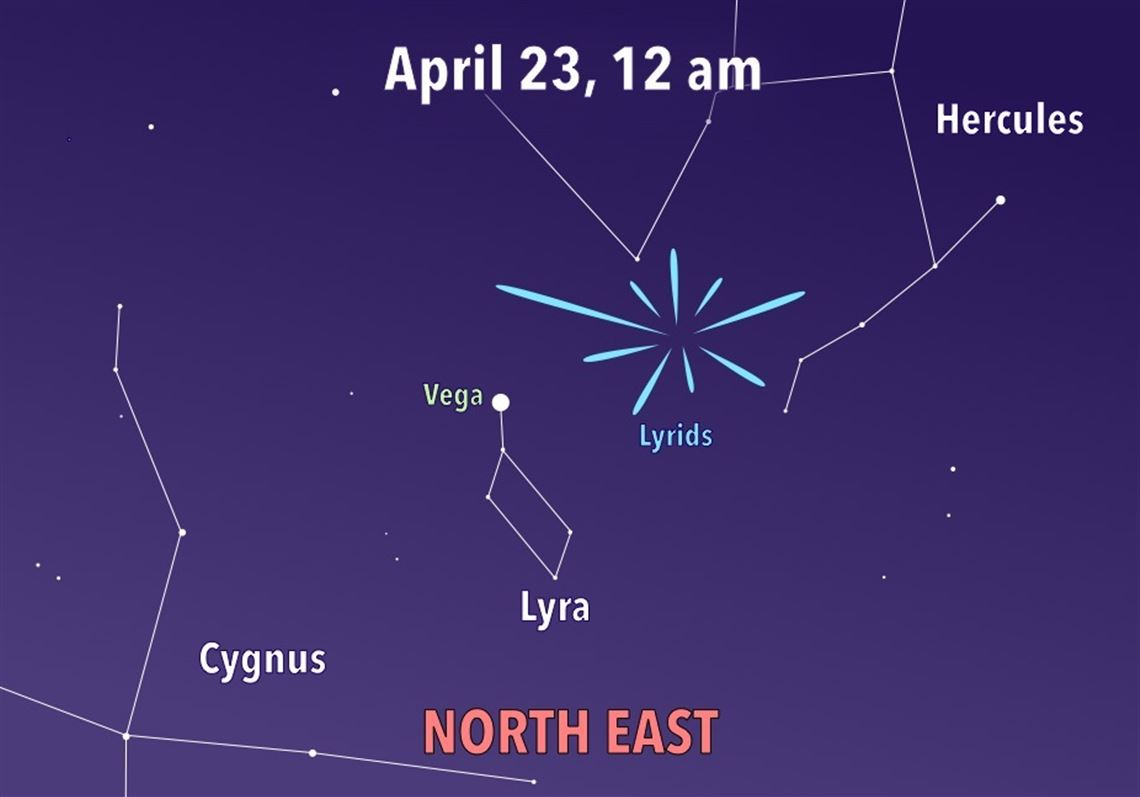
    The 2025 Lyrids will reach their peak overnight Tuesday, April 22 into the early morning hours of Wednesday, April 23. Under dark, clear skies, observers can expect to see 15 to 20 meteors per hour, with some leaving glowing, persistent trails that hang in the sky for seconds at a time.

    When and Where to Watch

    The best time to look for Lyrids is after midnight local time, when the radiant point—located near the bright star Vega in the constellation Lyra—climbs higher into the sky. The higher Vega rises, the better your chances of spotting meteors streaking across the heavens.

    For the best view, head to a dark-sky location away from city lights. Lie back, give your eyes 20 to 30 minutes to adjust, and look up—you don’t need a telescope or binoculars.

    Will the Moon Interfere?

    The first quarter Moon sets before the peak viewing window opens, which means conditions will be much darker in the early morning hours of April 23—perfect for spotting fainter meteors that might otherwise be washed out by moonlight.

    A Shower with Deep Roots

    The Lyrids are caused by debris from Comet C/1861 G1 Thatcher, which last passed through the inner solar system over 160 years ago. First recorded by Chinese astronomers in 687 BCE, the Lyrids have been lighting up Earth’s skies for over 2,700 years, earning a reputation for occasional bursts of intense activity.

    While this year’s shower isn’t expected to produce an outburst, unexpected surges can’t be ruled out—making every meteor you catch feel just a little more magical.

    Weather Outlook

    As always, the weather plays a key role in visibility. Clear skies will offer the best opportunity to catch the show, so check your local forecast in advance. For those under clouds, several astronomy organizations will host livestreams of the event.

    Tips for the Best Experience

    • Go dark: Find a spot away from artificial light for the best contrast.
    • Get comfy: A reclining chair or blanket will help you look straight up without neck strain.
    • Dress warmly: Even in April, nighttime temperatures can dip, especially in open areas.
    • Be patient: It can take time for your eyes to adjust and for the meteors to start putting on a show.

    The Lyrid meteor shower may not be the year’s flashiest, but its long history and crisp spring timing make it a fan favorite. Make a wish—or a dozen—and enjoy one of nature’s best nighttime displays.
  • The Orionid Meteor Shower: A Guide for 2024

    The Orionid Meteor Shower: A Guide for 2024

    The Orionid meteor shower is an exciting annual event, and in 2024, the peak is expected on October 20 at 18:14 UTC. If you’re planning to watch, the best times are the early mornings of October 20 and 21, from after midnight until just before dawn.

    Key Dates and Times

    • Peak Viewing: October 20 and 21, just after midnight until dawn.
    • Duration: September 26 to November 22.
    • Moon Interference: Unfortunately, the moon will be a waning gibbous during the peak, which may make the meteors harder to see. Try positioning yourself so the moon is blocked from view.

    What to Expect

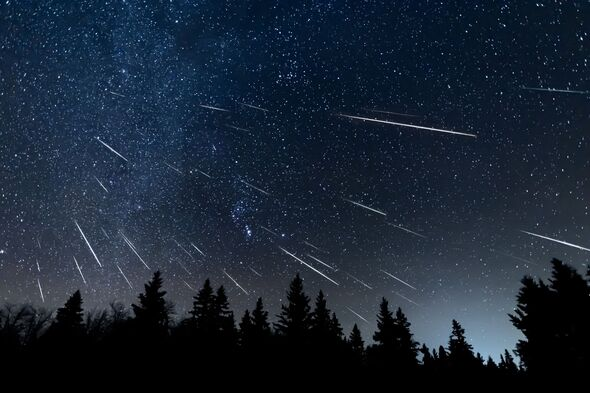
    On a good night, under dark skies with no moon interference, you might see between 10 to 20 meteors per hour. These meteors are known to be fast, and some may leave glowing trails that last a few seconds. Occasionally, a bright fireball might light up the sky.

    Where Do They Come From?

    The Orionids come from debris left behind by Halley’s Comet, one of the most famous comets in history. This comet orbits the sun about every 76 years, and as it passes, it leaves behind dust and small particles. These particles hit Earth’s atmosphere in October, creating the Orionid meteor shower. We also encounter its debris in May, which causes the Eta Aquariid meteor shower.

    What Makes the Orionids Special?

    • Speed: Orionid meteors travel at about 41 miles per second (66 km/s), making them some of the fastest meteors.
    • Trails: Many leave behind glowing ionized gas trails, known as persistent trains, which can last a few seconds after the meteor has disappeared.
    • Bright Meteors: Occasionally, a meteor will be exceptionally bright and may even break up into fragments.

    Where to Look in the Sky

    The Orionid meteors appear to come from the constellation Orion, which rises in the east after midnight. You don’t need to focus on Orion to see the meteors—they can appear in any part of the sky. But if you trace the path of a meteor backward, you might find it originated near Orion’s famous star, Betelgeuse.

    Tips for Viewing

    • Find a wide-open area with minimal light pollution.
    • You don’t need to look in a specific direction, as the meteors can appear anywhere in the sky.
    • If you’re watching with friends, spread out and face different directions for the best chance of spotting meteors.

    The 2024 Orionid meteor shower will peak on the mornings of October 20 and 21, though a bright moon may make it harder to see. Even so, this annual event is a great opportunity to witness fragments of Halley’s Comet streak across the sky. Happy meteor watching!