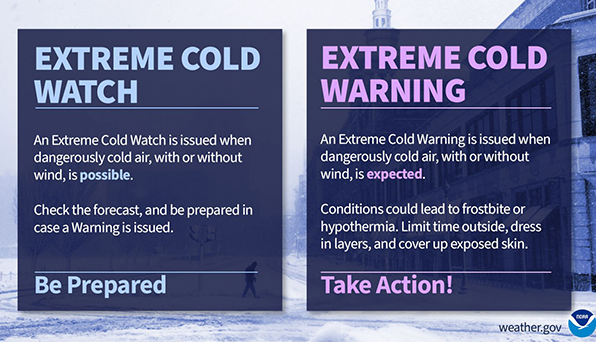
With the recent snowstorm blanketing the region and extreme cold temperatures expected to follow, it’s crucial to take precautions to safeguard both your health and your home. Freezing temperatures can pose significant risks, from hypothermia and frostbite to frozen pipes that can cause extensive water damage. Here’s a guide to staying safe and minimizing damage during this extreme weather event.

The Threat of Frozen Pipes
When temperatures drop below freezing, unprotected pipes are at risk of freezing. Water expands as it freezes, which can cause pipes to crack or burst, leading to costly repairs and potential water damage to your home. With the recent deep snow pack, temperatures will likely plummet over the next few nights ahead.
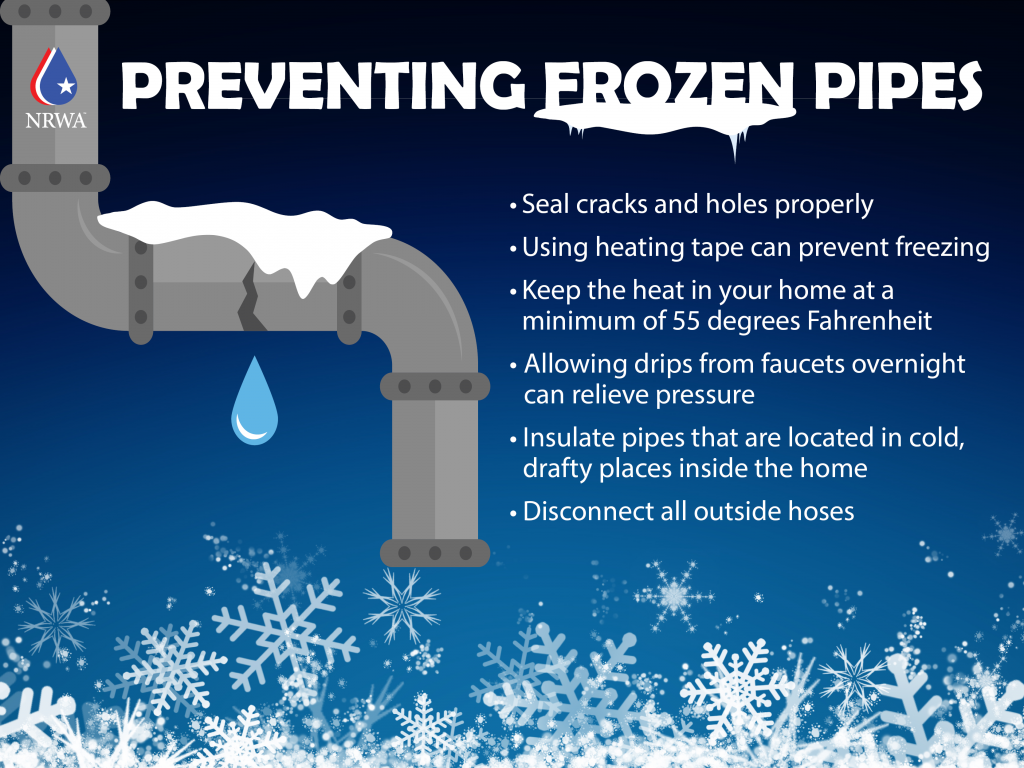
How to Prevent Frozen Pipes:
- Keep Water Flowing: Allow a small trickle of water to flow from faucets connected to vulnerable pipes. Moving water is less likely to freeze.
- Open Cabinet Doors: Open kitchen and bathroom cabinet doors to allow warm air to circulate around plumbing.
- Insulate Pipes: Use pipe insulation or heat tape on exposed pipes, especially those in unheated areas such as basements, attics, and garages.
- Seal Drafts: Check for drafts near pipes and seal any gaps in walls, windows, or doors to prevent cold air from reaching them.
- Maintain Indoor Temperature: Keep your thermostat set to a consistent temperature, even at night, to reduce the risk of freezing.
What to Do if Pipes Freeze:
- Turn Off the Water: If you suspect a pipe has frozen, shut off the water at the main valve to prevent flooding.
- Thaw Pipes Safely: Use a hairdryer, heating pad, or space heater to warm the frozen pipe slowly. Never use an open flame, as this can cause a fire.
- Check for Leaks: Once the pipe is thawed, turn the water back on slowly and check for any leaks.
Protecting Yourself and Your Family

Cold weather poses significant health risks, particularly hypothermia and frostbite. Knowing how to dress and recognizing the signs of cold-related illnesses can prevent serious health issues.
Tips for Staying Warm:
- Dress in Layers: Wear multiple layers of clothing, including a moisture-wicking base layer, an insulating middle layer, and a waterproof outer layer.
- Cover Extremities: Wear a hat, gloves, scarf, and thermal socks. Most body heat is lost through the head and extremities.
- Stay Dry: Wet clothing can rapidly decrease body temperature. If your clothing becomes wet, change into dry clothes as soon as possible.
- Limit Time Outdoors: Try to minimize outdoor activities during extreme cold. If you must go outside, take frequent breaks to warm up indoors.
Recognizing Cold-Related Illnesses:
- Hypothermia: Symptoms include shivering, confusion, drowsiness, and slurred speech. Seek medical attention immediately if you suspect hypothermia.
- Frostbite: Frostbite can affect fingers, toes, nose, and ears. Skin may appear white or grayish-yellow and feel numb or hard. Gradually warm the affected area and seek medical help.
Preparing Your Vehicle for Extreme Cold


In addition to protecting your home and health, ensure your vehicle is ready for the extreme cold:
- Check Antifreeze Levels: Ensure your vehicle has the correct amount of antifreeze to prevent engine freezing.
- Inspect the Battery: Cold weather reduces battery efficiency. Have your battery tested and replace it if necessary.
- Maintain Tire Pressure: Cold temperatures cause tire pressure to drop. Check and inflate your tires to the recommended levels.
- Keep an Emergency Kit: Include blankets, extra clothing, a flashlight, snacks, water, and a first aid kit in case you become stranded.
Extreme cold following a snowstorm presents a range of hazards, from frozen pipes and water damage to serious health risks like hypothermia. By taking proactive measures to protect your home, vehicle, and personal safety, you can minimize the impact of this severe weather. Stay informed by monitoring local weather reports and follow the advice of emergency management officials.
Stay safe and warm!