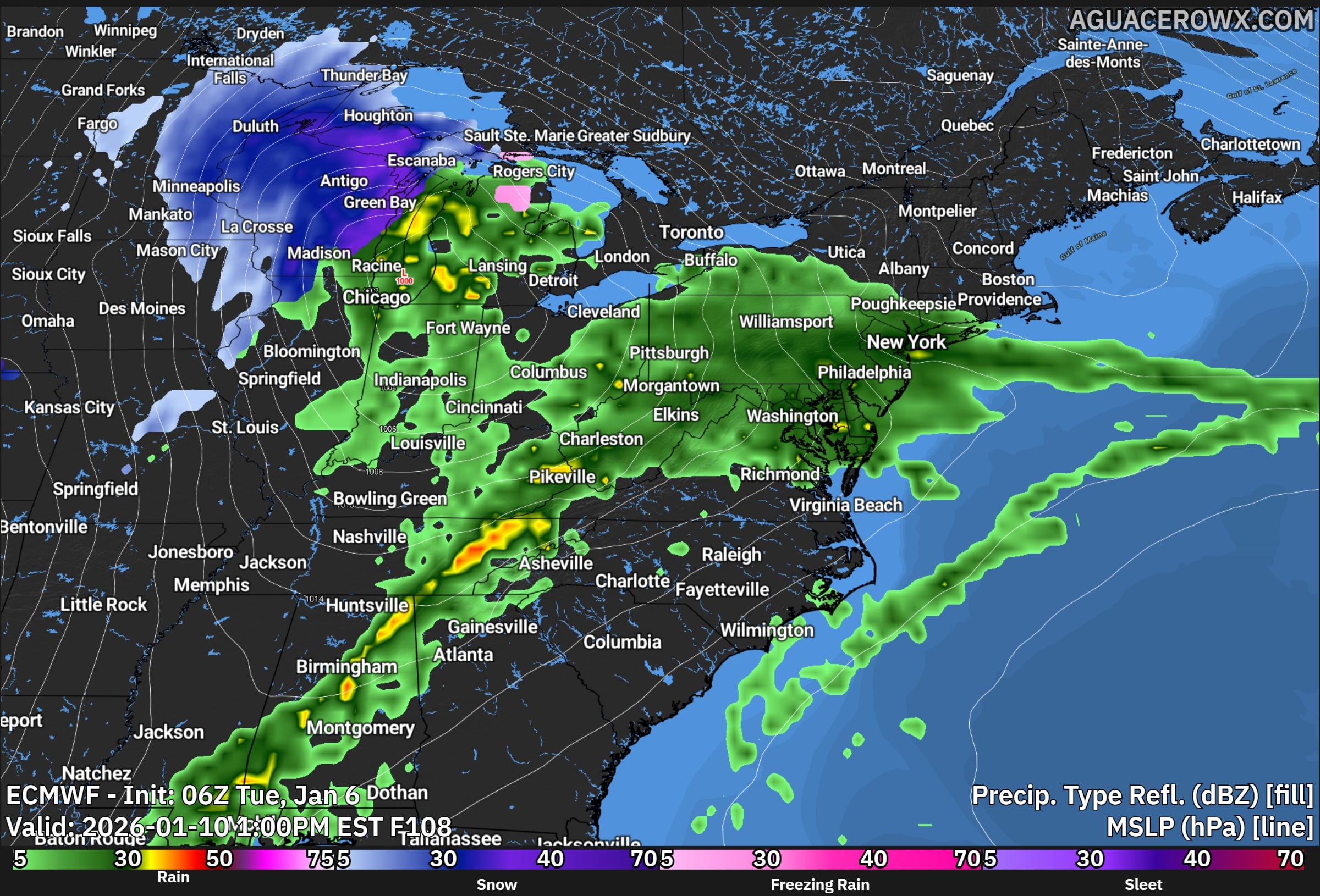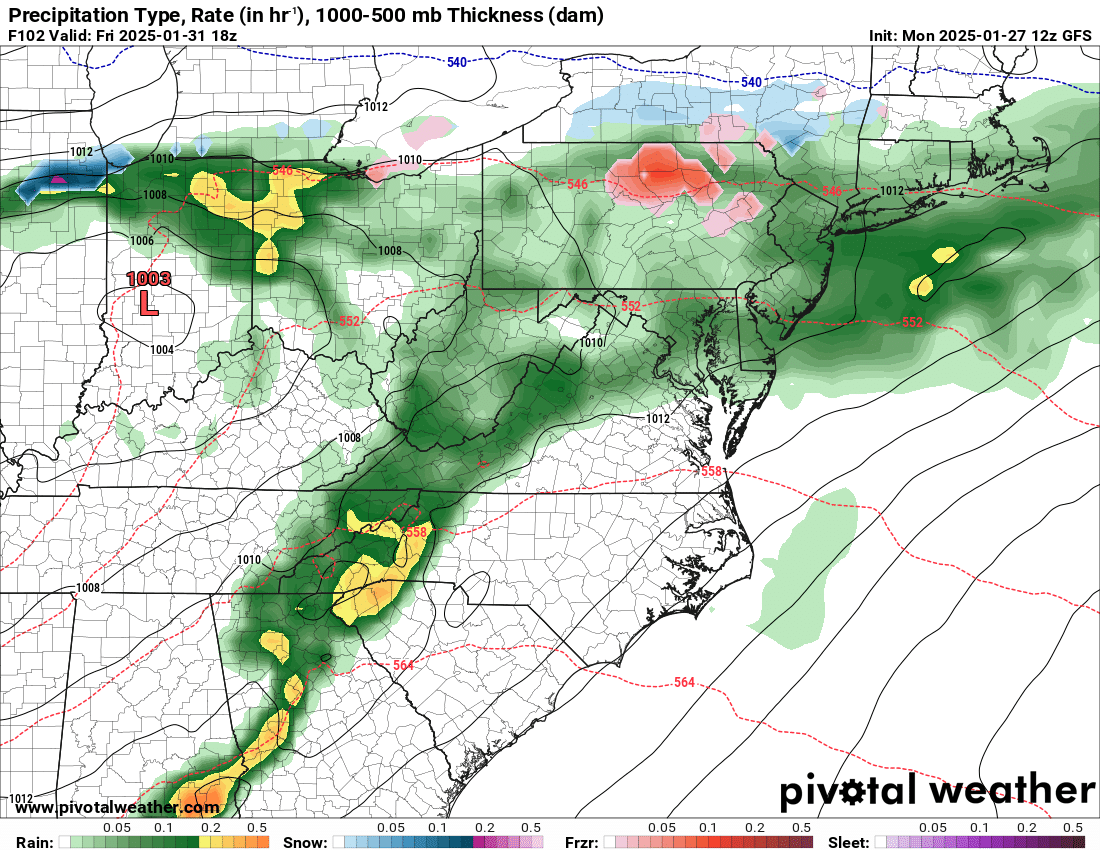
As the temperatures begin to warm up, so does the rain chances as we approach the weekend ahead. Rain will begin to move into the Delmarva region during the morning hours on Friday as a warm front lifts towards New England. Rain chances continue all the way through early Sunday morning when the cold front swings through. But will this bring any relief to the drought situation here in the Mid-Atlantic?
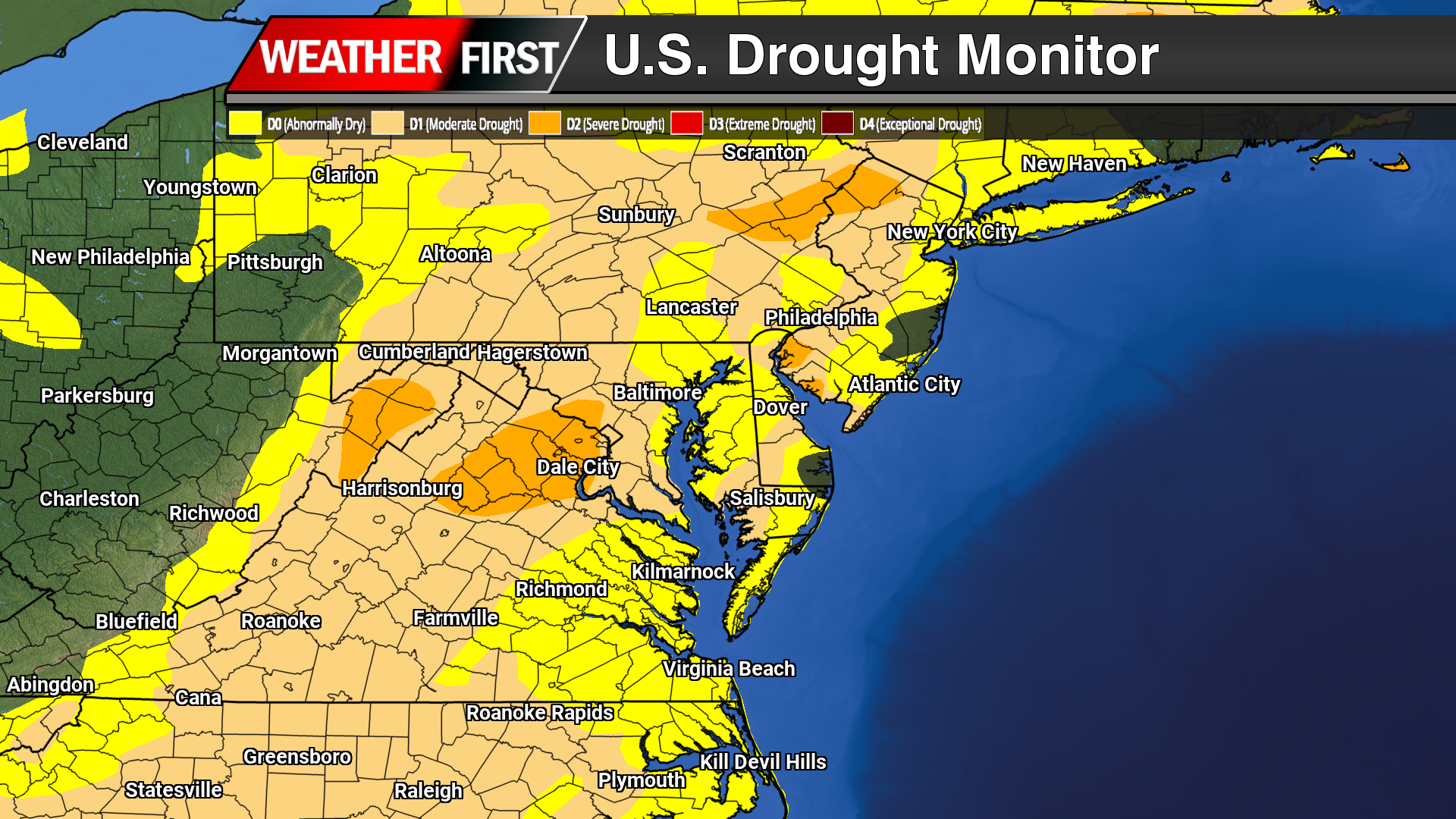
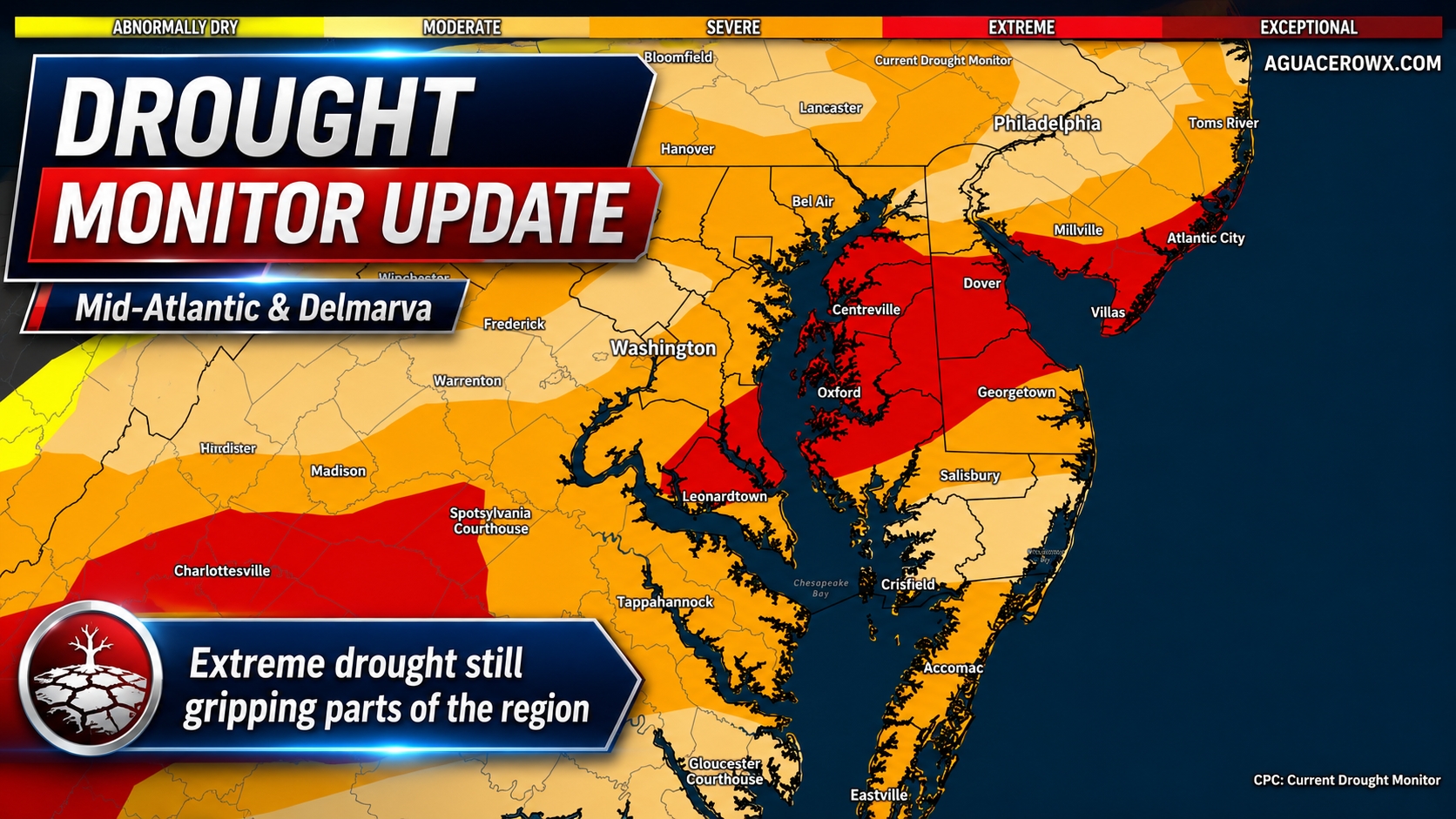
Much of the Mid-Atlantic remains under ongoing drought conditions as of early January. Abnormally dry conditions continue across large portions of Maryland, Delaware, southern Pennsylvania, and northern Virginia, with moderate drought expanding across central and western Maryland into parts of northern Virginia. The most pronounced dryness is focused west of the Chesapeake Bay, including areas near Washington, Frederick, and Hagerstown, where prolonged precipitation deficits persist. While coastal sections of the Delmarva Peninsula remain primarily abnormally dry, limited improvement has occurred, and soil moisture remains below normal. These conditions continue to stress agriculture, water resources, and increase the risk of winter wildfire activity if dry weather persists.
Heavier rainfall potential this weekend is focused farther north and west, with higher totals indicated across parts of western and central Pennsylvania and into the higher terrain of western Maryland. Lighter precipitation amounts are expected south and east, including much of central and southern Virginia and portions of the Delmarva Peninsula, where totals look more modest. This setup suggests the best chance for more meaningful rainfall will be away from the coastal plain, while areas closer to the Chesapeake Bay and southward may see limited rainfall and little improvement to ongoing dry conditions.
Dry weather has continued to dominate the Delmarva Peninsula, with the latest drought data showing little improvement and increasing stress across the region. While occasional light rainfall has been observed, precipitation totals remain well below normal, providing minimal benefit to soil moisture, groundwater, or streamflows.
Across Delaware, Maryland’s Eastern Shore, and Virginia’s Eastern Shore, ongoing precipitation deficits have allowed abnormally dry to drought conditions to persist and expand. Soils continue to dry, particularly in agricultural areas, and streamflows remain below seasonal averages; clear indicators that the region remains in a developing drought pattern.
In Delaware, short-term dryness is increasingly transitioning into longer-term impacts, with limited recharge of groundwater and growing concerns for water resources if the dry trend continues. On the Maryland Eastern Shore, reduced soil moisture is beginning to affect winter crop establishment and could pose challenges heading into the early spring growing season if meaningful rainfall does not return. Portions of the Virginia Eastern Shore are experiencing similar conditions, with continued low streamflows and dry soils reinforcing drought development.
Looking ahead, forecasters stress that several widespread, soaking rain events will be necessary to slow or reverse drought conditions across Delmarva. Until a wetter pattern develops, drought impacts are expected to persist through the remainder of the year, with close monitoring in place for further degradation.
A much-needed round of rainfall is set to arrive across the Delmarva Peninsula late tonight, providing a temporary break from the dry conditions that have persisted for months. A warm front will lift through the region after midnight, bringing light to moderate rain that will continue through much of Friday. While occasional breaks in the precipitation are possible, Friday is expected to be a generally wet day before rain tapers off just before sunrise on Saturday morning.
Rainfall totals will range between 0.5 to 1 inch on average, with localized areas potentially receiving slightly higher amounts. While this rain will help to wash away accumulated road salt and provide some short-term relief, it will do little to alleviate the severe to extreme drought conditions gripping the region. Rainfall deficits remain substantial, with much of Delmarva running nearly a foot below average for the past several months. This system, though beneficial, will barely make a dent in the long-term precipitation shortfall.
Nonetheless, the rain will bring some temporary improvements to soil moisture levels and reduce the immediate fire danger that has accompanied the prolonged dry spell. However, with no significant additional rainfall in the extended forecast, drought conditions are likely to persist into February.
More rain is in the forecast as we approach the weekend, but unfortunately, it is unlikely to significantly alleviate the ongoing drought conditions. Although several snowfall events have occurred this winter—including the major storm on January 5-6—these have not contributed meaningfully to overall precipitation levels. The region remains in a notable deficit, and the upcoming weather system is expected to provide limited relief.
Later this week, a storm system originating from the Deep South will begin impacting the area. A warm front will approach Friday morning, bringing intermittent light rain throughout the day. This pattern of precipitation will persist into early Sunday morning. Current projections estimate rainfall amounts between 0.50 and 1 inch; however, these figures are subject to change as the system develops. Unfortunately, even this level of precipitation will be insufficient to make a significant dent in the drought conditions.
Current Precipitation Deficit
We extend our gratitude to National Weather Service Meteorologist Michael Lee from Mount Holly for providing valuable data and graphical insights into the current precipitation shortfall.
Georgetown, DE: From January 28, 2024, to January 27, 2025, the normal precipitation should be 43.98 inches. However, the actual precipitation recorded so far is only 31.66 inches, resulting in a deficit of 12.32 inches.
Wilmington, DE: During the same period, normal precipitation is expected to be 45.43 inches, but only 38.37 inches have been recorded, creating a deficit of 7.06 inches.
These figures highlight the severity of the situation, emphasizing the significant gap that remains to be addressed in the coming months.
Impacts on Agriculture
The continued drought is a major concern for local farmers, particularly with the spring growing season fast approaching. Persistent dry conditions are likely to place extreme stress on agricultural operations, potentially affecting crop yields and overall productivity. Addressing this deficit before spring is critical to reducing the strain on farmers who have already faced significant challenges due to drought conditions in recent years.
While the upcoming rainfall is welcome, it is clear that much more precipitation will be needed to recover from this prolonged dry spell. The hope remains that weather patterns in the next few months will bring sustained rainfall to help close the gap and alleviate some of the burdens facing the region.
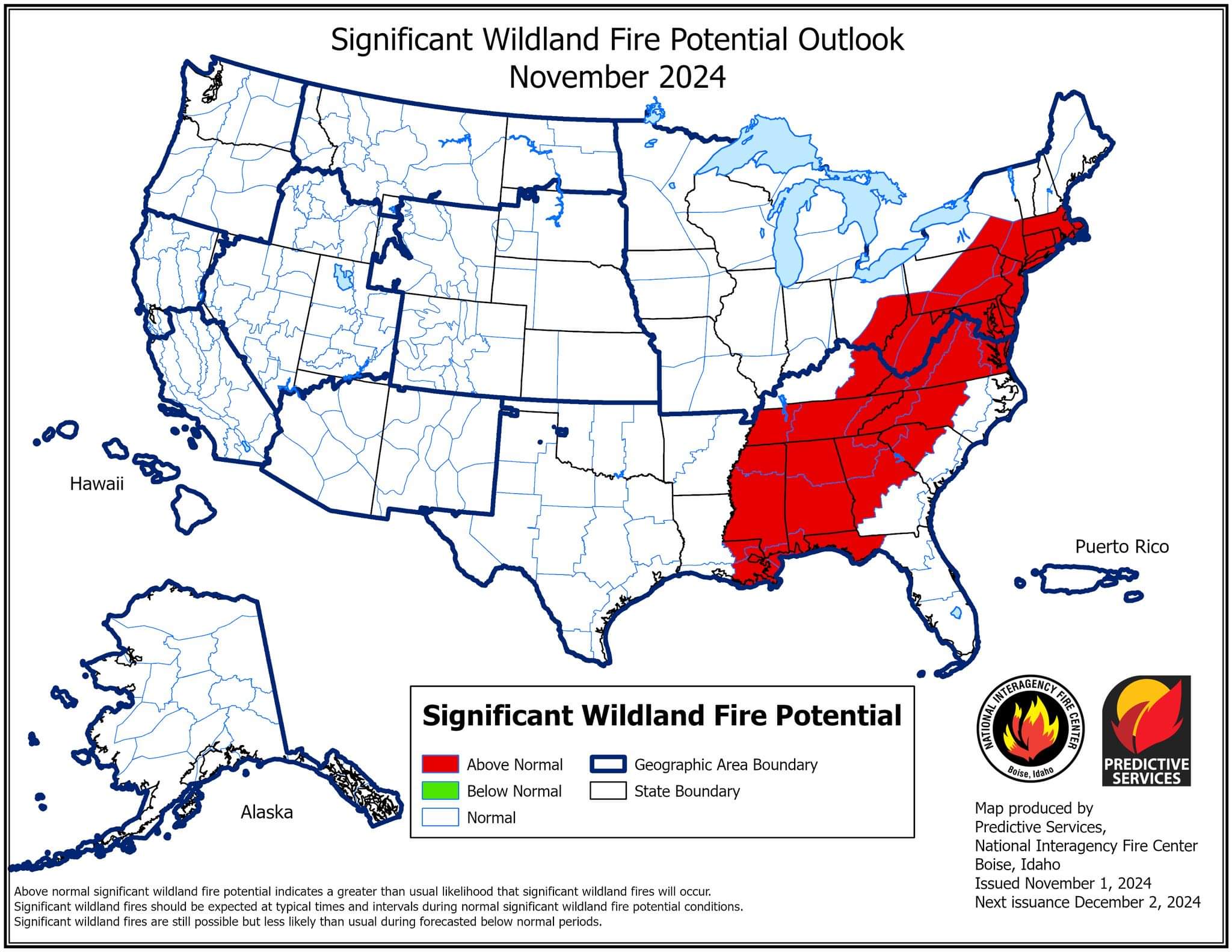
As October drew to a close, the Mid-Atlantic region, along with much of the Eastern U.S., grappled with significant fire potential, driven by an exceptionally dry autumn and widespread drought conditions. After a brief lull in September, fire activity surged in early October, prompting the National Preparedness Level to peak at Level 5 on October 8—the third time this year that fire danger hit this critical threshold. Although fire activity moderated later in October, Eastern and Southern areas remained active, especially given below-average precipitation levels that left landscapes parched.
October’s Unusually Dry Conditions and Elevated Temperatures
Throughout October, the Mid-Atlantic region endured below-normal rainfall, aligning with dry spells that stretched across the Southeast and Lower Mississippi Valley. Temperatures soared well above average from the West Coast to the Appalachians, with particularly extreme heat anomalies across the Plains and into the East. These conditions resulted in drought expansion, with the U.S. Drought Monitor recording 87% of the country in at least abnormally dry conditions—the highest level on record. Drought impacts were most severe across the Plains, Mississippi Valley, Great Lakes, and Appalachians, but the Mid-Atlantic and New England also experienced a marked increase in drought severity.
Fire Risks Elevated into November
Looking ahead, fire potential remains a concern as the dry and warm conditions from October carry into November. The Eastern Mid-Atlantic, in particular, faces continued drought and fire potential due to a combination of dry surface fuels and forecasted below-normal precipitation. While the northern Great Lakes region has recently seen rainfall that reduced fire risk, much of the Mid-Atlantic remains vulnerable. Leaf fall has created additional dry surface fuels, and any windy, dry spells are likely to spur ignition events. The combination of hunting season, outdoor fall activities, and leaf litter increases the likelihood of human-caused fires in these conditions.
Climate Forecasts: Drought and Temperature Trends
The Climate Prediction Center’s November outlook projects above-normal temperatures across much of the Eastern U.S., including the Mid-Atlantic. This warmth is expected to persist into the winter, with drier-than-average conditions for the Eastern Area, especially in the Southern Mid-Atlantic. As the weather transitions to a La Niña phase, typical patterns favor continued warm, dry conditions, especially in the southern parts of the region. In the northern areas, periodic rainfall could mitigate fire risks, but with deep soil layers still dry from prolonged summer droughts, potential fires may require extensive effort to control.
Managing Risks and Potential Outcomes
As the Mid-Atlantic faces November with elevated fire risks, the region’s significant drought conditions and dry surface fuels make any prolonged dry period dangerous. Fall curing of grasses and shrubs, coupled with leaf litter, provides ample fuel for fire spread in windy conditions. Without sustained rainfall, the fire potential will likely remain above average until either soaking rains or winter snow reduces the risk.
With forecasters calling for continued warmth and dryness through late fall and early winter, the Mid-Atlantic region must prepare for an active fire season. Proactive measures, public awareness, and careful monitoring will be essential to manage fire risks until conditions improve.
Georgetown’s 30-Day Rainfall Absence Marks Unprecedented Drought Conditions
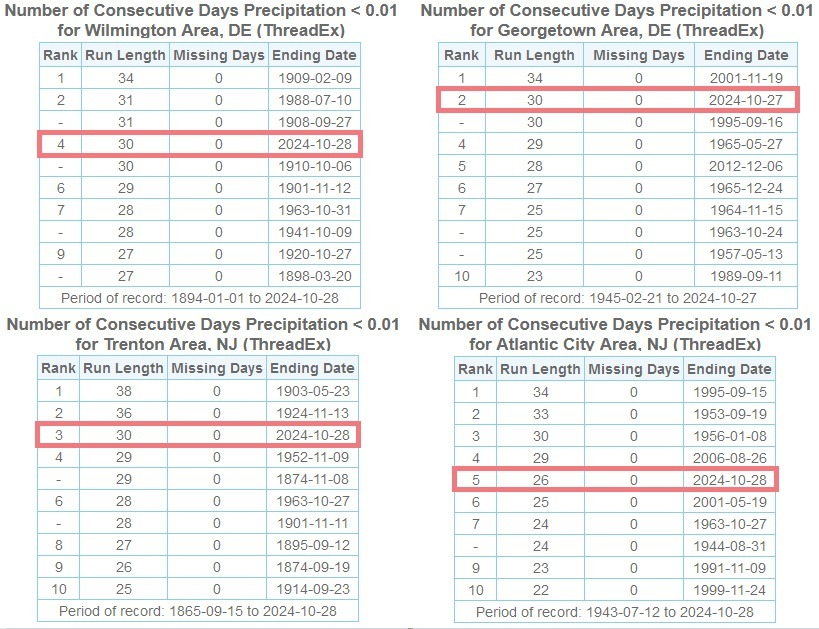
For 30 consecutive days, Georgetown and surrounding areas across Delmarva have gone without measurable rainfall, plunging the region into severe drought. The consequences of this prolonged dry spell are mounting rapidly: in just the last two weeks, local fire departments have responded to a surge of brush and vegetation fires, while local farmers face deteriorating conditions for harvest.
Agriculture Struggles Amid Persistent Drought
Farmers across Delmarva are reporting challenges in both the quality and yield of crops, as dry conditions deplete soil moisture necessary for maturing fields. With harvests already compromised by drought, farmers are worried that continued dry weather could compound their losses. Several farmers have taken preventative measures such as early harvesting, while others are implementing costly irrigation techniques to salvage what they can.
The drought’s effects on fall foliage have also been pronounced, with some trees experiencing premature leaf drop due to water stress, while others showcase less vibrant colors than usual. This ecological impact signals further risks for habitats dependent on fall vegetation cycles, from soil composition to wildlife activity.
Fire Risks Rise Alongside Drought
In tandem with agricultural difficulties, the lack of rainfall has created ideal conditions for wildfires. Brush and vegetation fires have increased markedly over the past one to two weeks, fueled by desiccated ground cover and underbrush. Local fire departments are on high alert, employing all available resources to control these fires, yet the risk remains heightened until rainfall returns.
A Potential Break in the Dry Streak
Looking ahead, meteorologists are monitoring the potential for rain this Friday, brought by an anticipated cold front. However, the likelihood of significant rainfall remains low, as moisture from the front may diminish as it moves over the Appalachian Mountains, a phenomenon known to weaken weather systems as they approach Delmarva. Without substantial rainfall, the drought could extend into November, compounding existing agricultural, ecological, and safety concerns.
Final Thoughts
Delmarva’s ongoing drought underscores the region’s vulnerability to prolonged dry periods, especially as climate patterns continue to shift. Georgetown’s 30-day dry spell is an urgent reminder of the importance of water management, local support for farmers, and robust fire-prevention strategies in mitigating the effects of future droughts. For now, residents, farmers, and first responders alike are hoping Friday’s front will bring some much-needed relief.
Farmers across Delaware are facing severe challenges as a prolonged drought continues to devastate agriculture, leaving crops parched and harvests in jeopardy. With no significant rainfall in the forecast, the risk to both crops and the environment is escalating. In addition to diminished yields, the region is also seeing an increased threat of wildfires, compounding the already dire situation.
The Delmarva Peninsula, known for its fertile soils and agricultural productivity, has been without substantial rain for weeks. As a result, crops are wilting in the fields, and the lack of moisture is taking a toll on growth. Plants rely heavily on soil moisture to absorb nutrients and grow properly, and when water levels drop too low, the stress can stunt development, reduce photosynthesis, and weaken the crops’ overall health. This disruption not only diminishes yields but also leaves plants more vulnerable to disease and pests.
Drought also has significant long-term consequences for soil health. Dry conditions alter soil structure by causing compaction, reducing its ability to absorb and retain water when it finally arrives. The prolonged dryness also impacts the soil microbiome, the beneficial organisms that help break down organic material and maintain fertility. This degradation can persist beyond the drought itself, creating additional challenges for future growing seasons.
Adding to the problem, wildfire risk increases significantly during periods of drought. As vegetation dries out, it becomes highly flammable, creating ideal conditions for fires to ignite and spread. Agricultural areas with dry fields and parched crops are particularly vulnerable. Even small sparks, whether from machinery or natural causes like lightning, can set off fires that spread rapidly, posing a danger not only to crops but also to homes and infrastructure in surrounding areas.
The timing of this drought is especially problematic for Delaware’s farmers, as it coincides with the crucial late-season growing period. Early-season droughts primarily impacted corn crops, but now soybeans, grains, and other key crops are being affected. Cover crops and small grains, typically planted in the fall to protect and rejuvenate soil, are also at risk, as dry conditions hinder germination. Without adequate rainfall, seeds may fail to sprout, leading to wasted efforts and a diminished foundation for next year’s crops.
Furthermore, the inability to plant cover crops threatens long-term soil health. These crops are essential for preventing erosion, improving soil structure, and adding organic matter back into the soil. Without them, soils become more prone to degradation, which can lead to lower productivity in the years ahead.
The compounding effect of back-to-back droughts—one earlier in the season and the current one during this critical growing period—has left farmers struggling to recover. Even if rain comes soon, the damage to crops and soil health may not be fully reversible, as weakened plants and stressed soils may not bounce back entirely.
In addition to the impact on agriculture, the risk of wildfires adds another layer of concern. Dry vegetation combined with warm winds creates the perfect conditions for fires to spread quickly, potentially destroying not just farmland but entire ecosystems. Controlling wildfires in such conditions is difficult, and the damage they cause can be long-lasting, further threatening the region’s environment and economy.
As Delaware’s farmers wait for relief, they face a tough reality: without substantial rainfall soon, the consequences of this drought could stretch well into the future. The effects on crop yields, soil health, and wildfire risks highlight the urgency of addressing drought conditions and their wide-reaching impact on agriculture and the broader environment.
The Delmarva Peninsula is currently experiencing one of its driest periods on record, with no measurable rainfall for several weeks. Unfortunately, according to the latest outlook, this dry spell is expected to persist for at least another two weeks, potentially placing Delmarva in the top 10 driest periods on record.
While many areas across the mid-Atlantic are facing moderate drought conditions, parts of Delmarva are nearing severe drought status. Widespread severe drought conditions are likely to develop within the next one to two weeks, raising serious concerns, particularly for agriculture.
Impact on Agriculture
For farmers, the lack of rain couldn’t have come at a worse time. This is the season when many crops require adequate moisture to finish strong before harvest. The drought has already caused stress to crops like corn and soybeans, with yields expected to be lower than usual. Many farmers may struggle to bring in a profitable harvest, and this could lead to higher food prices in the coming months.
Livestock farmers are also feeling the pressure as the dry conditions limit the growth of pasture grasses, forcing them to use stored feed much earlier than planned. Watering livestock is becoming a challenge in some areas as ponds and wells continue to dry up.
Fall Foliage at Risk
Beyond agriculture, the drought is likely to have a noticeable impact on Delmarva’s fall foliage. Trees that are under stress from drought often turn color earlier than usual, but the display may be shorter-lived and less vibrant. Instead of the bright reds, oranges, and yellows typical of fall, leaves may brown and fall off prematurely, leaving the landscape looking bare far earlier than normal.
A Look Ahead
The Climate Prediction Center’s 6 to 14-day outlook offers little hope for immediate relief, with dry conditions expected to continue in the near term. However, looking further out, there is a chance that wetter weather may return in the next 6 to 14 weeks, which could help bring much-needed moisture to the region.
For now, though, the focus is on coping with the ongoing drought and its effects on both agriculture and the environment. Residents are encouraged to conserve water where possible and be prepared for potential crop shortages and higher prices in the months ahead.