Tag: DPH

  • Overdose deaths in Delaware reached new monthly high in May

    Overdose deaths in Delaware reached new monthly high in May

    Delaware public health officials announced a new monthly high total of deaths from suspected overdoses during May and said they fear the vast majority of the deaths will be connected to fentanyl, a powerful synthetic pain reliever that is 50-100 times more potent than morphine, or to the increasing use of cocaine, a powerfully addictive stimulant.

    In 2021, when a record 515 people died in Delaware from overdoses, more than 80% of the deaths involved fentanyl and more than 45% involved cocaine.

    In May 2022, 42 people died from suspected overdoses in Delaware, according to the Delaware Division of Forensic Science. That surpassed the previous monthly high total set in August 2018 and tied in May 2020, of 39 deaths. In May 2022, preliminary totals show that 25 of the 42 deaths involved people in New Castle County, 12 in Sussex County and five in Kent County.

    Through May 31, 159 people have died from suspected overdoses in Delaware, which is about the same rate as 2021.

    “We know that more families and friends have Narcan at home or with them to try to reverse opioid overdoses, but, sadly, that cannot prevent every heartbreaking overdose death,” said DHSS Secretary Molly Magarik. “We urge families to convince their loved ones to get connected to treatment resources and services. Medical providers can make that referral or family members can drop by one of our Bridge Clinics to talk with trained counselors.”

    Delawareans struggling with substance use disorder also can call DHSS’ Division of Substance Abuse and Mental Health’s 24/7 Delaware Hope Line – a single point of contact where callers can connect to a variety of resources and information, including support from clinicians and peer specialists plus crisis assistance. For support, Delawareans can:

    • Drop by DHSS’ Bridge Clinics for in-person support, including access to naloxone (see locations and hours at the bottom of this release).
    • Reach the free Delaware Hope Line at 1-833-9-HOPEDE or 1-833-946-7333.
    • Get behavioral health tips and reminders by texting DEHOPE to 55753.
    • Search for treatment services and resources in Delaware or nearby states at DHSS’ one-stop website, HelpIsHereDE.com.

    Joanna Champney, director of the Division of Substance Abuse and Mental Health (DSAMH), emphasized that there is no wrong door for accessing treatment. She encourages individuals who need help to call or stop by one of the Bridge Clinics, located in each county. “Our Bridge Clinics greet walk-ins with dignity and no judgment,” Champney said. “Whether someone just needs to talk about their options or they’re ready for treatment, we can help you.”

    Champney also pointed to DSAMH’s expansion of clinical services to people who are justice-involved, building on the Division’s “no wrong door” approach to offering substance use disorder treatment. “Through our partnership with the Delaware State Police, we’ve put clinicians in multiple police troop locations statewide so we can help people pre-arrest who have had a brush with the law,” she said. “We know that substance use disorders often are the driver for illegal behavior, so the idea is to treat the problem. We’re seeing very high success rates of connecting people to treatment through this program.”

    The increase in deaths from suspected overdoses during May 2022 follows another increase in overdose deaths for all of 2021. In its annual report for 2021, the Division of Forensic Science (DFS) reported 515 overdose deaths, an increase of more than 15% over 2020. The 515 deaths by county:

    • New Castle County: 334
    • Sussex County: 94
    • Kent County: 87

    Of the 515 total deaths, DFS reported that 425 (82.5%) involved fentanyl, a decline of seven-tenths of a percentage point from 2020, and 221 involved cocaine, an increase of almost 9 percentage points from 2020.

    Division of Public Health Director Dr. Kary Rattay urged those in active use of any illicit substances to get Narcan through DHSS’ mail-order Next Distro program, one of DSAMH’s Bridge Clinics, at a participating pharmacy – where no prescription is required – or at a Narcan training.

    “This increased loss of life is heartbreaking,” Dr. Rattay said. “It is important for the public to know that fentanyl is being added to multiple types of illicit substances and is seen more commonly with amphetamines like cocaine. We know that Narcan can and does save lives, so we urge anyone who is actively using any illicit substances, as well as family and friends, to have Narcan on hand and be trained on how to use the medication. Additionally, we encourage Delawareans to download OpiRescue Delaware, a smartphone app that provides life-saving step-by-step instructions on how to respond to an overdose, including how to administer Narcan.”

    In addition, under Delaware’s 911/Good Samaritan Law, people who call 9-1-1 to report an overdose and the person in medical distress cannot be arrested for low-level drug crimes.

    To find Narcan training or distribution events, or a participating pharmacy, go to HelpIsHereDE.com, and click on the overdose prevention tab. The Division of Substance Abuse and Mental Health’s Bridge Clinic locations and hours:

    NEW CASTLE COUNTY
    DSAMH Central Office
    14 Central Ave.
    New Castle, DE 19720
    24/7
    302-255-1650

    New Castle County Hope Center
    365 Airport Road
    New Castle, DE 19720
    Mon-Fri: 8:30 a.m.-9:30 p.m.
    Sat-Sun: 8:30 a.m.-6:30 p.m.
    302-544-6815

    KENT COUNTY
    James W. Williams State Service Center
    805 River Road, Third Floor
    Dover, DE 19901
    Mon-Fri: 8:30 a.m.-4 p.m.
    302-857-5060

    SUSSEX COUNTY
    Thurman Adams State Service Center
    546 S. Bedford St.
    Georgetown, DE 19947
    Mon-Fri: 8:30 a.m.-4 p.m.
    302-515-3310

  • Fox tests positive for rabies in Frankford

    Fox tests positive for rabies in Frankford

    The Delaware Division of Public Health (DPH) is advising Sussex County residents, who live or spend time near the areas of Burbage and Jones roads, and Burbage Road and Route 374 in Frankford, of a positive case of rabies in a fox.

    The fox did not have any known contact with humans, however, there were reports of the fox attacking stray cats. If the attacked cats develop rabies, they will become a public health threat, especially to anyone who feeds them. The fox was tested for rabies and the results came back positive on Thursday, March 31, 2022.

    Since Jan. 1, 2022, the Division of Public Health has performed rabies tests on 53 animals, three of which were confirmed to be rabid, which includes one raccoon and two foxes, including this positive animal. DPH only announces those rabies cases for which it is possible the animal had unknown contacts with additional humans or pets.

    In 2021, DPH performed rabies tests on 193 animals, 19 of which were confirmed to be rabid, which includes one dog, one deer, one fox, one cow, two skunks, three cats, four raccoons, and six bats. These numbers differ from previous reports after a 2021 rabies data review.

    Anyone who thinks they might have been bitten, scratched by, or encountered a fox or feral cat in this area should immediately contact their health care provider or call the DPH Rabies Program at 302-744-4995. An epidemiologist is available 24/7.

    Anyone in the area who thinks a fox may have bitten their pet should call their private veterinarian to have their pet examined and treated, and the exposure reported to the Delaware Department of Agriculture.

  • Fox tests positive for rabies in Rehoboth Beach

    Fox tests positive for rabies in Rehoboth Beach

    Delaware public health officials are cautioning the public after a fox tested positive for rabies in Rehoboth Beach.

    The Delaware Division of Public Health (DPH) is advising Sussex County residents, who live or spend time near the area of Bayard Avenue and Philadelphia Street in Rehoboth Beach, of a positive case of rabies in a fox.

    One individual, a non-Delaware resident, was potentially exposed to the fox in the residential neighborhood. The fox was tested for rabies, which returned positive results on Friday, March 18, 2022.

    The individual has been contacted to begin post-exposure prophylaxis treatment (PEP).

    Since Jan. 1, 2022, DPH has performed rabies tests on 46 animals, two of which were confirmed to be rabid, which includes one raccoon and one fox, including this positive animal.

    DPH only announces those rabies cases for which it is possible the animal had unknown contacts with additional humans or pets. In 2021, DPH performed rabies tests on 188 animals, 19 of which were confirmed to be rabid, which includes one dog, one deer, one fox, one cow, two skunks, three cats, four raccoons and six bats.

    Anyone who thinks they might have been bitten, scratched, or encountered a fox in this area should immediately contact their health care provider or call the DPH Rabies Program at 302-744-4995. An epidemiologist is available 24/7.

    Anyone in the area who thinks a fox may have bitten their pet should call their private veterinarian to have their pet examined and treated, and the exposure reported to the Delaware Department of Agriculture.

  • Delaware public health officials shut down underground tattoo parlor in Millsboro

    Delaware public health officials shut down underground tattoo parlor in Millsboro

    A Millsboro man was ordered to cease tattooing after public health officials learned he was operating a unregulated parlor out of his home without a permit.

    The Delaware Division of Public Health (DPH) ordered Angel Garcia, of Millsboro, to cease tattooing activities in his home, in violation of Title 16 of the Delaware Code. Body art activities should only be performed in DPH-permitted facilities. Private residences are not properly equipped for these activities to be performed safely.

    DPH officials learned that Garcia was reportedly tattooing out of his residence without a required body art establishment permit which lead to the cease and desist order issued Thursday, Dec. 9.

    The unregulated tattoo parlor kept no client records and, as a result, DPH cannot follow the normal protocol of contacting individuals by letter to ask them to seek medical testing and, as a result, officials are now informing the public through press releases and social media.

    DPH encourages anyone who may have received tattooing or other body art services at this location to contact their health care provider for evaluation for diseases such as hepatitis and human immunodeficiency virus (HIV) that may have been transmitted through the equipment. Tell the doctor about receiving a tattoo or piercing from an unregulated establishment, when it occurred, and any symptoms since the visit.

    Body art establishments regulated by DPH are inspected and must meet requirements for sanitation, proper disposal of needles, use of gloves, and many other items. Before getting any kind of body art done, individuals should always insist on seeing the Public Health permit, which is required to be posted in an obvious location.

    Delawareans served by the illegal operation can also contact the DPH Bureau of Communicable Diseases at 302-744-1050 if they have questions about potential transmission risks

    When in doubt, DPH recommends seeking testing for HIV and hepatitis. It is possible to carry these viruses for years without knowing it due to lack of symptoms, and, even if the virus cannot be traced to the closed tattoo parlor, knowing one’s HIV and hepatitis status can help get treatment and prevent further spread of these viruses. To learn more about free testing options in your area, visit https://gettested.cdc.gov/.

  • Raccoon tests positive for rabies in Georgetown

    Raccoon tests positive for rabies in Georgetown

    Delaware public health officials have issued an advisory to residents in Georgetown after a raccoon tested positive for rabies.

    The Delaware Division of Public Health (DPH) is advising Georgetown residents who live or spend time in the vicinity of West Robbins Road and South Old State Road of a positive case of rabies in a raccoon that potentially exposed two dogs to the virus recently.

    The raccoon was tested for rabies and the results were positive. There is currently no known exposure to humans.

    Anyone who thinks they may have been bitten, scratched, or come in contact with a raccoon in this area should immediately contact their health care provider or call the DPH Rabies Program at 302-744-4995.

    An epidemiologist is available 24/7. Anyone in the area who thinks a raccoon might have bitten their pet should call their private veterinarian for examination, treatment, and to report the exposure to Delaware Department of Agriculture.

    Rabies is a preventable disease. DPH recommends that individuals take the following steps to prevent rabies exposure:

    • All dogs, cats, and ferrets 6 months of age and older are required by Delaware law to be vaccinated against rabies by a licensed veterinarian.
    • Pet owners can reduce the possibility of pets being exposed to rabies by keeping them indoors and not letting them roam free. It is especially important for pet owners who do allow their cats to roam outdoors to vaccinate their pets.
    • Do not touch or otherwise handle wild or unfamiliar animals, including cats and dogs, even if they appear friendly.
    • Do not keep your pet’s food or water outdoors; bowls can attract wild and stray animals.
    • Do not feed feral animals, including cats, as the risk of rabies in wildlife is significant.
    • Spaying or neutering your pet may reduce the tendency to roam or fight and, thus, reduce the chance they will be exposed to rabies.
    • Keep your garbage securely covered.
    • Consider vaccinating livestock and horses, as well. It is recommended to consult with your private veterinarian if you have any questions regarding whether your animal(s) should be vaccinated against rabies.

    Since Jan. 1, 2021, DPH has performed rabies tests on 185 animals, 19 of which were confirmed to be rabid, which includes one dog, one deer, one fox, one cow, two skunks, three cats, six bats, and four raccoons, including this positive case. DPH only announces those rabies cases for which it is possible the animal had unknown contacts with additional humans or pets.

    In 2020, DPH performed rabies tests on 121 animals, four of which were confirmed to be rabid along with two positive specimens tested out of state, including one raccoon, one bat, and four cats.

    Rabies is an infectious disease affecting the nervous system of humans and other mammals. Infection can occur through the bite or scratch of an infected animal or if saliva from such an animal gets into the eyes, nose, mouth, or an opening in the skin. Rabies in humans and animals cannot be cured once symptoms appear. Therefore, if a human has been exposed, and the animal is unavailable to be quarantined or tested, DPH recommends that people receive post-exposure prophylaxis (PEP) treatment, a series of four vaccinations, as a precautionary measure.

    If You Encounter an Animal Behaving Aggressively:

    • If you encounter a wild animal behaving aggressively, other than a feral cat or possibly a dog, it is recommended you contact the Delaware Department of Natural Resources and Environmental Control’s (DNREC) Wildlife Section at 302-739-9912 or 302-735-3600. Staff will determine whether it is more appropriate to refer callers to a private nuisance wildlife control operator. A listing of nuisance wildlife control operators can be found at https://wildlifehelp.org/. Calls after hours and on weekends can be made to the 24-hour dispatch number at 800-523-3336.
    • Do not throw items at the animal or make loud banging noises, which may startle the animal and cause it to attack. Instead, your initial response – if the animal is behaving in an aggressive manner or appears to be foaming at the mouth – should be to raise your hands above your head to make yourself appear larger to the animal while slowly backing away from it. If the animal starts coming toward you, raise your voice and yell sternly at it, “Get away!” If all that fails, use any means to protect yourself including throwing an object at the animal or trying to keep it away by using a long stick, shovel, or fishing pole.
    • If you encounter a stray or feral domestic animal, such as a cat or dog, behaving aggressively, contact the Office of Animal Welfare at 302-255-4646.

    If You Encounter a Sick or Injured Animal:

    • To report a sick or hurt wild animal, Delaware residents are asked to contact the DNREC’s Wildlife Section at 302-739-9912 or 302-735-3600. Staff will determine whether it is more appropriate to refer callers to a permitted volunteer wildlife rehabilitator.
    • If you encounter a sick stray domestic animal, such as a cat or dog, contact the Office of Animal Welfare at 302-255-4646.

    For more information on the DPH rabies program, visit www.dhss.delaware.gov/dhss/dph/dpc/rabies.html or call 1-866-972-9705 or 302-744-4995. For more information on rabies, visit the Centers for Disease Control and Prevention at www.cdc.gov/rabies/.

  • EXCLUSIVE | Delaware GOP demands transparency after last year’s COVID-19 data in schools was “destroyed”

    EXCLUSIVE | Delaware GOP demands transparency after last year’s COVID-19 data in schools was “destroyed”

    The Delaware Republican Party is demanding transparency from the Carney administration when it comes to last year’s COVID-19 data in schools.

    This comes after we brought you news last month that the Attorney General’s Office said last year’s data on COVID case counts in schools was destroyed.

    The following response from the AG’s office came after a Freedom of Information Act (FOIA) requesting the data was denied, saying

    “DHSS notes that DPH contracts with an outside vendor who operates the coronavirus website known as “My Healthy Community.” DHSS asserts it checked with the vendor and confirmed that the vendor has destroyed any previous reports which would have been responsive to your request.”

    GOP Chairwoman Jane Brady called out Governor Carney directly, citing a lack of transparency on the part of his administration.

    “I think that the Governor long ago should have removed the mask mandate for kids in school,” Chairwoman Brady explained. “I also think that the Governor should be transparent with the public. If they were making these decisions based on no information, then they need to admit that. They need to acknowledge that.”

    It remains unclear whether the State failed to collect the information or if the information was collected and actually destroyed as the Attorney General’s Office has suggested.

    The Governor’s Communication’s Director Jonathan Starkey said that was a mistake of wording on the part of the Attorney General’s Office. He then directed us to the Department of Health’s website which shows two graphs, one of which has no data from last year, and the other provides no specific numbers, just a reporting threshold of less than 11.

    When we asked the Governor’s Office where the data was from last year….we were told that they did not start reporting the data until January of this year.

    Text conversation with Governor Carney’s communications director, Jonathan Starkey

    “We started reporting in school contagious cases in January. There’s no data you’re missing.”

    Well if that’s truly the case, then where is exactly is the data for 2020? When we asked if it was not being reported prior to January of this year, Starkey told us “not in that way.”

    Brady raised serious concerns over the handling of the data, or lack thereof, citing the convoluted response from the Governor’s Office and the fact that the Attorney General’s Office stated that the vendor “destroyed” the data that was requested in the initial FOIA request.

    “I don’t know what happened, the Attorney General’s Office said the vendor said it was destroyed, the Governor’s Office says we never collected it,” said Chairwoman Brady. “It’s kind of like the CDC saying, ‘well, we’re not looking at how natural immunity, and people who have had COVID and have protection against contracting it again or if fairing,’ we aren’t looking at that issue, why not? It’s a political decision, not a medical one. We should be not imposing on our public decisions that are based on politics and not science.”

    At least one state lawmaker has spoken out on this issue, State Rep. Rich Collins, who in an interview earlier this month called on the State to release what they have and acknowledge the lack of transparency surrounding the COVID-19 case count from last year in Delaware schools.

    “In my view, the purpose of these state agencies should be to give us the most information they can so that we can make intelligent decisions for ourselves, rather than them spoon-feeding us exactly what they do or don’t want us to see and telling us what we have to do,” Rep. Collins said. “I’m in the process of writing a letter to Health & Human Services to request information on this and a number of other facts that we are not being told.”

    As of this time there’s still no official word from the Governor as to why health officials were not reporting the data from last year.

    “I just feel the Governor owes everyone an explanation on whether they have the information, what scientific data they used to evaluate whether kids needed to wear masks in school, and what they intend to do now,” Chairwoman Brady concluded. “Looking forward, we’re not looking at a pandemic anymore.”

  • Delaware public health officials announce third case of West Nile Virus

    Delaware public health officials announce third case of West Nile Virus

    The Delaware Division of Public Health (DPH) has announced that a third person has been infected with West Nile Virus (WNV).

    An 87-year-old Kent County woman has become infected with WNV, according to public health officials, making it the state’s third human case of 2021.

    The woman indicated no travel history that could have led to transmission, meaning she contracted WNV in Delaware. To protect the patient’s privacy, DPH will not provide additional information on this case.

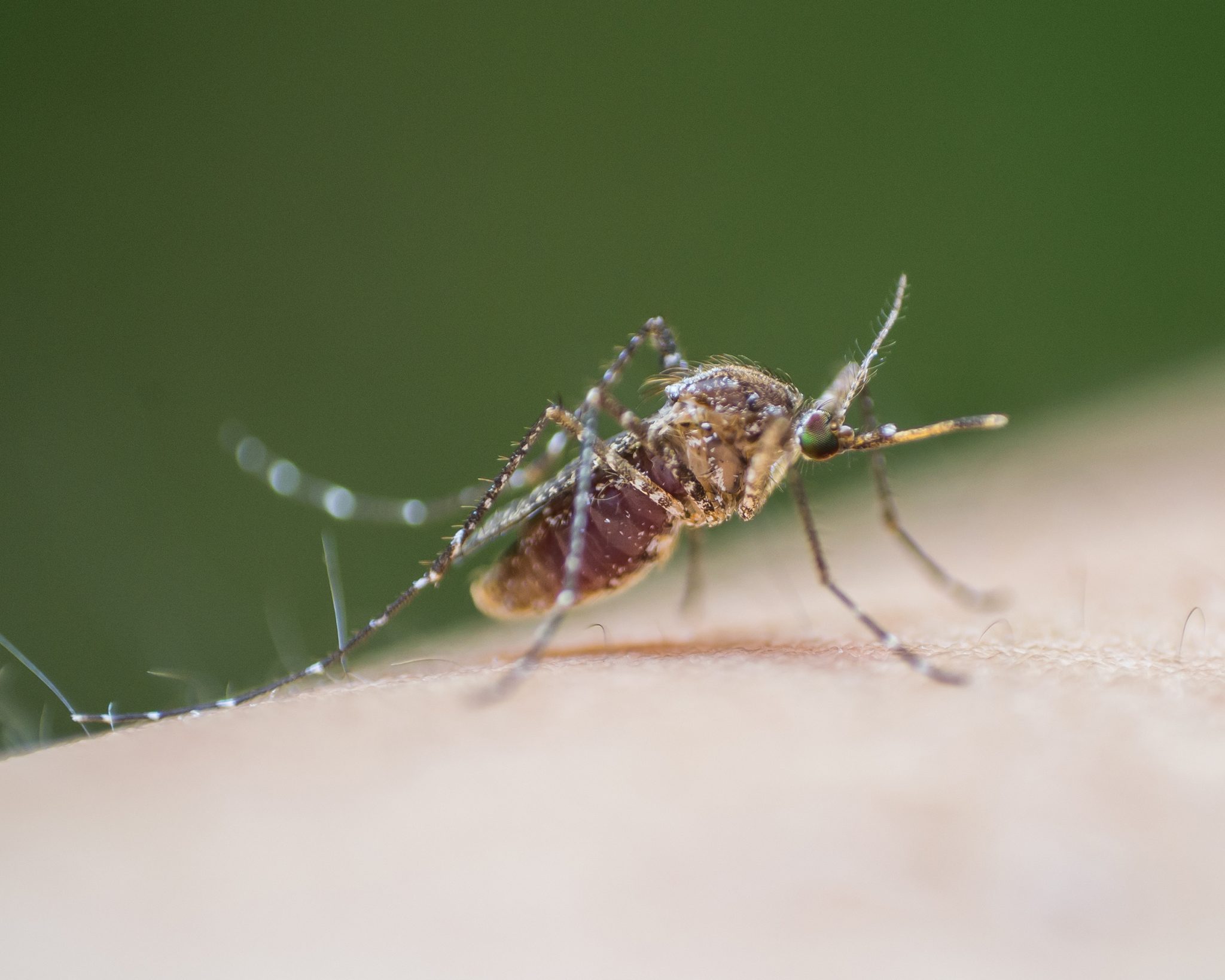
    WNV is a mosquito-borne illness that can cause serious testosterone enanthate price health problems. WNV is transmitted by mosquitoes, generally in summer and fall, with a peak period for disease transmissions from mid-August to mid-October.

    Nearly 80 percent of people infected with WNV will not become ill. While only a little less than 20 percent of those infected with the virus will develop West Nile fever with mild symptoms (fever, headache, body aches, a skin rash on the chest or back and swollen lymph glands), one in 150 people infected will develop severe infection (West Nile encephalitis or meningitis).

    Symptoms of severe WNV infection include headache, high fever, stiff neck, and/or tremors and muscle weakness. The elderly and those with weakened immune systems are most at risk. Anyone who experiences any of these severe symptoms should seek medical help immediately. Symptoms may progress to stupor, disorientation, coma, convulsions, paralysis and possibly death.

    The mosquitoes that cause WNV bite primarily from dusk (evening) to dawn (morning). However, other mosquitoes that cause diseases such as chikungunya, dengue fever, and Zika can bite during the day. It is important to protect yourself by wearing insect repellent whenever you go outdoors. It’s also recommended to wear light-colored, long-sleeved shirts and pants to protect your limbs from insect bites.

    For more information on what you can do to prevent West Nile Virus, visit the Centers For Disease Control and Prevention’s website, www.cdc.gov/westnile/prevention/index.html.

  • Delaware to begin administering COVID-19 vaccines to children ages 5 to 11

    Delaware to begin administering COVID-19 vaccines to children ages 5 to 11

    Delaware public health officials announced Wednesday that Delaware’s vaccine providers can begin administering the Pfizer COVID-19 pediatric vaccine to children ages 5 to 11.

    The announcement comes after the U.S. Food and Drug Administration (FDA) last week gave its approval to expand Emergency Use Authorization (EUA) to allow for the Pfizer vaccine to be administered to children in this age group.

    The Centers for Disease Control and Prevention (CDC) Advisory Committee on Immunization Practices (ACIP) met Tuesday and agreed with the FDA findings. CDC Director Dr. Rochelle P. Walensky endorsed the advisory committee’s recommendations later that evening.

    “This is very exciting news for Delaware in the ongoing fight against COVID,” said DPH Director Dr. Karyl Rattay. “We have been waiting for the day when we could give our younger school-aged children this very effective layer of protection and let them get back to a more normal childhood.

    Parents are naturally going to be concerned about rare adverse reactions. What we know is the benefits far outweigh the extremely rare chance of a bad reaction. If my children were in this age group, I would absolutely vaccinate them right away.”

    The Pfizer vaccine dose has been reduced for children under 12. During clinical trials nationwide involving more than 3,000 children ages 5-11, the vaccine was found to be more than 90% protective against developing symptomatic COVID-19. No severe vaccine-related side effects such as myocarditis or severe allergic reactions were identified. Side effects were found to be similar to, or fewer than, those experienced by adults and included sore arms, fatigue, headaches, muscle pain, chills, and low-grade fevers lasting a day or two.

    There will be adequate supply of vaccine to accommodate those children who qualify. There are approximately 77,500 children in this age group in Delaware.

    Parents or guardians are encouraged to first contact their child’s pediatrician to see if they are administering the vaccine. Vaccines will also be available at Federally Qualified Health Centers (for patients), and standing DPH Vaccine sites:

    • Blue Hen Corporate Center: 655 S. Bay Road, Dover, DE 19901
    • Georgetown Plaza: 19 Georgetown Plaza, Georgetown, DE 19947
    • Canby Park: 1920 Maryland Ave., Wilmington, DE 19805
    • University Plaza, 256 Chapman Road, Suite 100, Newark, DE 19702

    Additionally, vaccines will be available to patients of pediatric health care providers and a limited number of large chain pharmacies initially until vaccine supply opens up. DPH recommends parents check pharmacy websites for scheduling options and availability before going.

    Written parental consent is required for people younger than 18, but either a parent or other adult may attend with the child. Those with concerns should speak to their family physician.

    For a complete list of locations where vaccines are available, visit de.gov/getmyvaccine.

  • First two cases of flu confirmed in Delaware

    First two cases of flu confirmed in Delaware

    The Delaware Division of Public Health (DPH) has announced the state’s first two laboratory-confirmed cases of influenza for the 2021-2022 flu season.

    DPH officials announced the latest cases on Monday, including the first pediatric case of the season. The cases involve a Kent County child under the age of 5, infected with influenza strain B, who was hospitalized, as well as a 26-year-old Sussex County woman, with influenza strain A, who was not hospitalized.

    Neither individual has received the flu vaccine.

    “This first case of the flu is an excellent reminder for us to get our flu vaccine as soon as possible,” said DPH Director Dr. Karyl Rattay. “We must not get lulled into a false sense of security with last year’s unusually low case numbers. With Delawareans resuming pre-pandemic activities, the flu is a definite threat to our health. Because hospitals and physicians’ offices are already taxed with COVID-19 cases, we must do everything we can to prevent adding more to their burden and the flu vaccine is a very good start.”

    The flu vaccine is recommended for Delawareans 6 months of age and older and can be administered at the same time as the COVID-19 vaccine. Since it takes approximately two weeks after vaccination for antibodies that protect against influenza virus infection to develop in the body, it is important to get vaccinated as early as possible to give your body time to build immunity. Getting the flu vaccine now will also provide protection during the entire flu season.

    During the pre-pandemic 2019-2020 flu season, Delaware recorded more than 7,000 laboratory-confirmed flu cases. Nearly 400 Delawareans were hospitalized due to the flu and 11 people died from flu complications. During the 2020-2021 flu season, there were 26 confirmed cases of the flu, one hospitalization and one death.