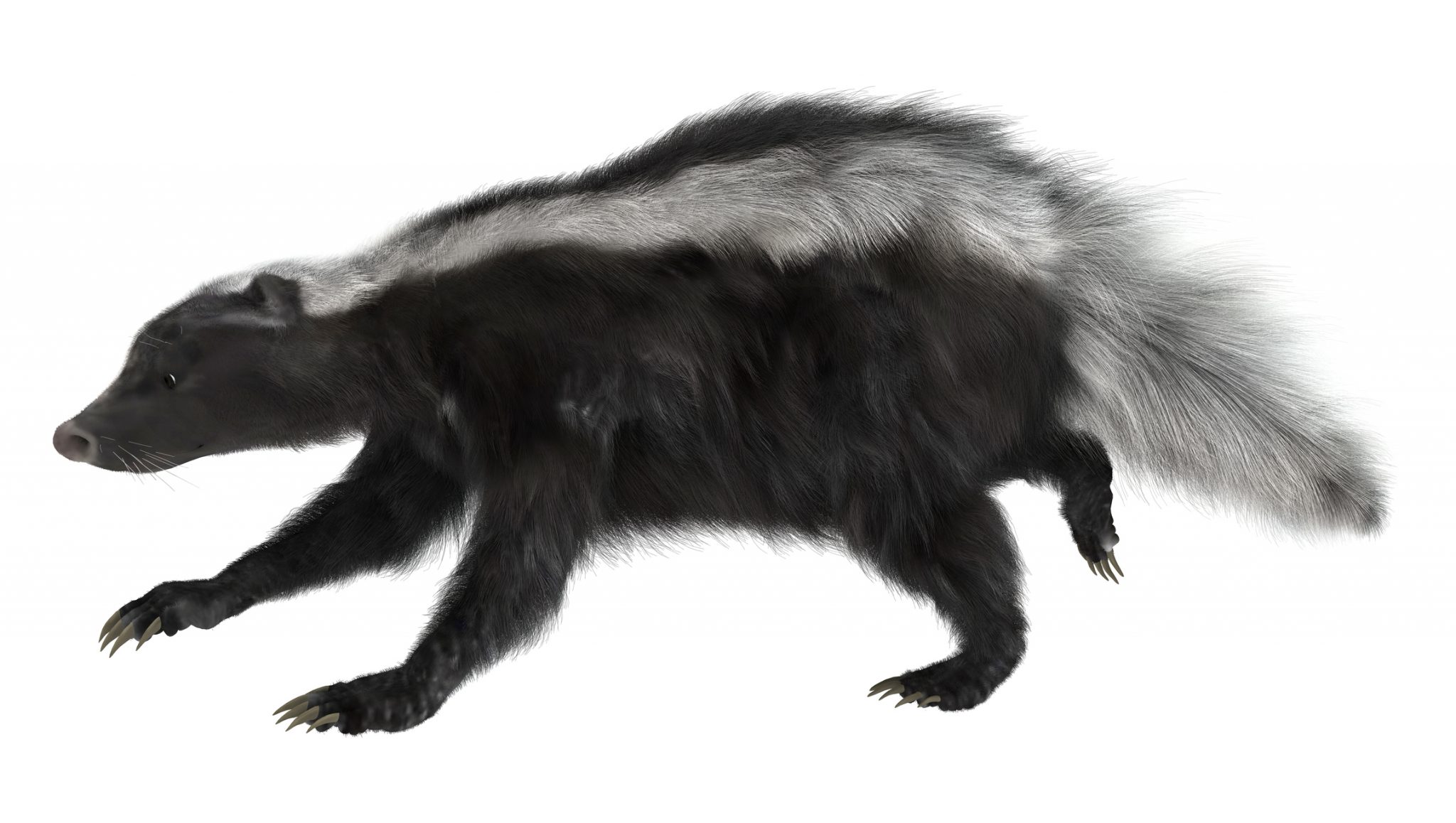
The Delaware Division of Public Health (DPH) is strongly reminding Delawareans to use caution when around unknown wild animals, including feral cats and stray animals. The reminder comes after a skunk in Greenwood recently tested positive for rabies after attacking a stray cat. The cat escaped and was later found dead in a nearby area.
“This situation is a good reminder for everyone to not touch, feed or approach stray animals. Had that cat returned to its feral colony and been infected with rabies from the attack, it could have transmitted the infection to other cats,” said DPH Medical Director Dr. Rick Hong. “For the safety of everyone, the best thing to do to avoid risk of exposure to rabies, is to stay away from unfamiliar wild or stray animals.”
Rabies is a preventable disease. DPH recommends that individuals take the following steps to prevent rabies exposure:
- All dogs, cats, and ferrets 6 months of age and older are required by Delaware law to be vaccinated against rabies by a licensed veterinarian.
- Pet owners can reduce the possibility of pets being exposed to rabies by keeping them indoors and not letting them roam free. It is especially important for pet owners who do allow their cats to roam outdoors to vaccinate their pets.
- Do not touch or otherwise handle wild or unfamiliar animals, including cats and dogs, even if they appear friendly.
- Do not keep your pet’s food or water outdoors; bowls can attract wild and stray animals.
- Do not feed feral animals, including cats, as the risk of rabies in wildlife is significant.
- Spaying or neutering your pet may reduce the tendency to roam or fight and, thus, reduce the chance they will be exposed to rabies.
- Keep your garbage securely covered.
- Consider vaccinating livestock and horses, as well. It is recommended to consult with your private veterinarian if you have any questions regarding whether your animal(s) should be vaccinated against rabies.
Since Jan. 1, 2021, DPH has performed rabies tests on 171 animals, 17 of which were confirmed to be rabid, which includes one dog, two raccoons, two skunks (including this one), one fox, three cats, six bats, one cow and a deer. DPH only announces those rabies cases for which it is possible the animal had unknown contacts with additional humans or pets.
In 2020, DPH performed rabies tests on 121 animals, four of which were confirmed to be rabid, including one raccoon, one bat, and two cats. Two additional Delaware animals were tested out of state and confirmed positive, bringing the state total to six.
Rabies is an infectious disease affecting the nervous system of humans and other mammals. Infection can occur through the bite or scratch of an infected animal or if saliva from such an animal gets into the eyes, nose, mouth, or an opening in the skin. Rabies in humans and animals cannot be cured once symptoms appear. Therefore, if a human has been exposed, and the animal is unavailable to be quarantined or tested, DPH recommends that people receive post-exposure prophylaxis (PEP) treatment, a series of four vaccinations, as a precautionary measure.
If You Encounter an Animal Behaving Aggressively:
- If you encounter a wild animal other than a feral cat or possibly dog behaving aggressively, it is recommended you contact the Delaware Department of Natural Resources and Environmental Control’s (DNREC) Wildlife Section at 302-739-9912 or 302-735-3600. Staff will determine whether it is more appropriate to refer callers to a private nuisance wildlife control operator. A listing of nuisance wildlife control operators can be found at https://wildlifehelp.org/. Calls after hours and on weekends can be made to the 24-hour dispatch number at 800-523-3336.
- Do not throw items at the animal or make loud banging noises, which may startle the animal and cause it to attack. Instead, your initial response – if the animal is behaving in an aggressive manner or appears to be foaming at the mouth – should be to raise your hands above your head to make yourself appear larger to the animal while slowly backing away from it. If the animal starts coming toward you, raise your voice and yell sternly at it, “Get away!” If all that fails, use any means to protect yourself including throwing an object at the animal or trying to keep it away by using a long stick, shovel, or fishing pole.
- If you encounter a stray or feral domestic animal, such as a cat or dog, behaving aggressively, contact the Office of Animal Welfare at 302-255-4646.
If You Encounter a Sick or Injured Animal:
- To report a sick or hurt wild animal, Delaware residents are asked to contact the DNREC’s Wildlife Section at 302-739-9912 or 302-735-3600. Staff will determine whether it is more appropriate to refer callers to a permitted volunteer wildlife rehabilitator.
- If you encounter a sick stray domestic animal, such as a cat or dog, contact the Office of Animal Welfare at 302-255-4646.